
Email Us info@fiberstar.net
Call Us +1 (715) 425-7550
Clean label grilling solutions citrus fiber, thermal-fade resistant, savory seasoning formulations, natural spice rubs, high-viscosity clean-label binders, heat-stable, simple ingredients, organic, grill caramelization, glaze performance, basting sauce, finishing sauce, marinade system, hygroscopic clumping

Clean Grilling Solutions: Natural Cookery

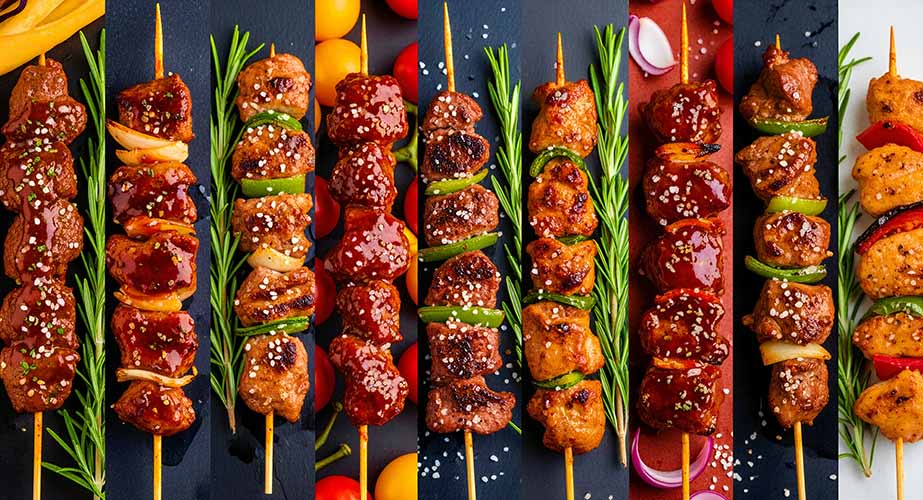
The art of grilling foods has evolved over time with new cooking technologies and alternative food formats like seafood, veggies and fruits. Regardless, consumers are demanding clean label grilling options which have dry rub, marinade, basting paste and savory sauce formulators are scrambling. Citri-Fi® citrus fiber’s high water holding and emulsification properties makes this an ideal natural solution.

Grilling foods has been the hallmark of cooking since cave dwellers walked the Earth. The use of fire continues today but with handling food with a skewer versus a human arm. We now have access to smokers and grills. At the same time, this category continues to evolve and innovate. Now, there are new grilling methods and fancy equipment like high-performance drum smokers and flat-top grills. In addition to traditional animal meats, foodies grill a variety of foodstuff. Other grilling mains now include seafood, vegetables, plant-based protein (e.g. tofu, tempeh) and fruits such as pineapple and peaches. However, new BBQing ways creates new challenges which call for clean label grilling solutions.

Common Grilling Issues: Heat, Time & Sauce Formulations

Gary Larson illustrated in one of his popular cartoons several cavemen holding their meat with their bare hands and plunging their entire forearms deep into the roaring flames. Those were challenges of the past. Today, we have new trials and tribulations. No one is torching their arm hair to roast up dinner. Instead, grilling foodies are faced with other dilemmas including burning, fading color, excessive caramelization and off-flavors. Grilling is a harsh cooking process which requires clean label grilling technology.

However, the searing flame is not the only culprit when cooking food. Dry rubs, marinades and sauces, which accompany grilled foods, tend to come with their own issues. For instance, dry rubs can clump up. Marinades and culinary sauces may need additional thickeners to counter thin viscosity. And some grilling topicals need more heat stability to retain the flavorful experience. At the same time, consumers expect clean label grilling options. Because of the anti-ultra-processed foods movement, fellow grillers are concerned.

Drum Smokers: Pushes the Limit of Savory Spice Formulations

Drum smokers are the newest addition to the grilling appliance family. Their ability to convert a flavorless slab of meat into a morsel exploding with flavors that complement smoke is a grillers dream come true. However, smoking foods requires time and patience. Typically savory seasoning formulations fade during these 12-hour low and slow cook processes. As a result, grillers are sniffing out clean grilling ingredients that can endure the prolonged smoker exposure.

One option is Citri-Fi citrus fiber. Due to this citrus fiber’s high surface area, this clean label grilling ingredient can be used to dry plate liquid smoke turning it into a free-flowing powder. This flow-able powder can then be mixed with other dry spices to create a natural spice rub. Many dry rubs tend to suffer hygroscopic clumping. However, citrus fiber minimizes clumping as a result preserves its flow-ability. When applied to grilling foods, the moisture from the foodstuff may provide enough available water to hydrate the Citri-Fi to create a protective film during the smoking process. Other options include mixing the citrus fiber alone in the spice mix and applying to the food before smoking. Or citrus fiber can be mixed together with spices to make a thick basting paste which then can be rubbed on the meats prior to the heat step.

Flat-top Grilling Vaporizes the Savory

Another popular grilling apparatus is the flat grill. Besides cooking up homemade tortillas, the flat grill introduced consumers to a new cooking experience without the open flame. Flat grills still emit high heat which puts any foodstuff at risk. For instance, sauces used on thin protein substrates like shaved meats or smash burgers tend to vaporize or burn quickly on solid steel surfaces. To counter the flash off, manufacturers developed clean label grilling sauces with high cling rates. This allowed the sauce to stick to the food during the grilling process without it falling or flashing off. The Citri-Fi 200 and 300 series are both great citrus fiber lines which improve the cling and adhesion at low usage levels (<1%). Another challenge with flat top grills involves using dry rubs. Again, savory dry rubs tend to clump up during the cooking process. Using Citri-Fi citrus fiber may minimize the clumping during the grilling time allowing for a more uniform coating.

Citri-Fi citrus fiber can be used a in variety of grilling rubs, pastes and sauces to improve the texture, viscosity and stability. To learn more about these type of applications using this upcycled citrus fiber, check out: Meat Marinades Bathing Foods with Flavor.

Other Grilling Trends Firing up Consumers

The consumer market is demanding clean label grilling ingredients with no MSG, low sugar and low sodium. Less processed foods mean short ingredient lists using natural sounding ingredients. These demands apply to all grilling foodstuffs including dry rubs, marinades, basting sauces and finishing glazes.

Citri-Fi citrus fiber is an ideal clean grilling solution due to its labeling options which include citrus fiber, dried citrus pulp or citrus flour. They all resonate as natural to help products look minimally processed. Citri-Fi is non-GMO, has no MSG and contributes dietary fiber to the nutritional label. Now, certified organic citrus fiber is available – Citri-Fi 400 series.

For more information, contact us.
Read more →

Processed meats like sausages, patties, links, injections, marinades, high-fat meats, low-fat meats, restructured meats, meat emulsions: Citri-Fi citrus fiber provides cook loss and purge reduction, emulsion stability, phosphate replacement, purge reduction, succulence, texture enhancement, water-binding, yield improvement

Meat Marinades: Bathing Foods with Flavor

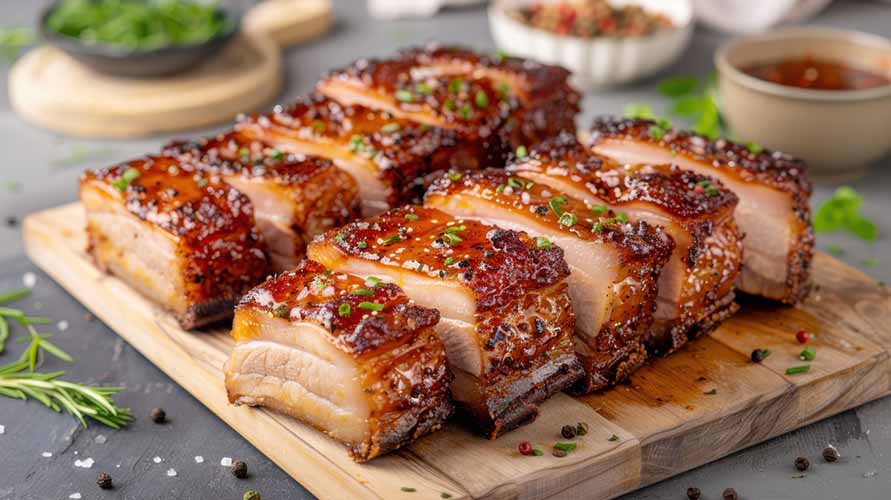
Meat marinades are essential when cooking animal products. They improve the yields, boost the juicy texture and better the overall eating experience. Marinades can be used in meat injection or vacuum tumbled methods in addition to being used as a table sauces or condiments. Regardless of the use, one common goal is to improve the meat taste. Citri-Fi® citrus fiber, at <1%, can bind the water and oil to significantly control yields and increase the succulence and flavor of the meat which enhances the eating qualities.

About two million years ago, cavemen cooked their mammoth meat over an open flame using chiseled rock spears and broken sticks. And this tradition continues today using state-of-the-art equipment involving gas or charcoal as a fuel source. Not to mention, there are now pre and post cooking methods to improve the juiciness and succulence of the meat. One strategy is to use meat marinades. However, there are several options when using a flavorable liquid to improve the eating experience. These include injection marinades, vacuum tumble marinades and table sauces.

Infusing Flavor and Moisture: Injection Marinades

Injection marinades are a common practice in the meat processing world. This involves penetrating meat muscle using injector needles to pump flavor, phosphate, salt and water. Many times, these brines also include modified food starches and/or gums such as carrageenan to improve the water and oil binding. These water binding hydrocolloids not only improve the purge reduction in raw meats, but also enhance the yields and juiciness of final cooked products.

Today, consumers are more sensitive about their food. They want to know where it comes from and how it is handled. And this sensitivity caused many consumers to read food labels. Because of this, some ingredients have fallen under suspicion including those that appear chemically modified or not recognizable. Yet, there are natural ingredients available in the market that meat processors can utilize while not comprising their meat goods. One ingredient in particular is citrus fiber.

Citri-Fi® citrus fiber is byproduct of the citrus juicing industry. The process, which is free from chemical modifications, opens up the fiber to create high water holding capacity and emulsification properties. As a result, at low usage levels (<1%), Citri-Fi can bind the water in meat marinades and minimize water loss after injection. This clean label strategy can maintain the juicy and succulent texture of cooked meats without the use of phosphates, starches and/or food gums. However, if labeling is not an issue, citrus fiber can also be used alongside other hydrocolloids as a phosphate replacer while still creating a high quality eating experience.

Round and Round: Tumbling Meat Marinades

Another approach involving meat marinades is with a vacuum tumbler. This method uses a sealed drum and rotating mechanics to marinate meat parts. The vacuum aids in opening up the meat tissue to allow the meat marinade to penetrate further. By using this technique, the tumbling helps tenderize the meat while the hydrocolloidal coating binds the water which enhances the juicy texture post cook.

The Citri-Fi 200 series, which is citrus fiber co-processed with guar gum, is an effective way to improve the water and oil binding in meat marinades. At low usage levels (<1%), the citrus fiber locks in the water while the guar gum is used to aid in creating cling. Depending on the meat product, meat processors may use one or both injection and vacuum meat tumbling to improve raw yields and succulence and yields post cook.

Liquid Flavor Bombs: Sauces, Condiments or Marinades

After meat is processed using all or none of the above mentioned methods, it is shipped to retail. Consumers tote this meat home to be thrown on a grill, tossed in the oven or seared in a pan. Regardless of the cooking technique, they all have one element in common – the sauce. It is this factor that turned a caveperson into a modern day chef!

To impart that burst of flavor and juiciness, consumers lean on meat marinades prior to cooking the meat. However, if time is limited, table sauces and condiments are effective alternatives. Many of these products contain starches and/or food gums to thicken up the texture. These ingredients tend to be pH and heat stable. In other words, the hydrocolloids are tolerant of food processing conditions so that table sauces and condiments remain viscous.

However, formulating with some of these hydrocolloids come with challenges. Modified starches help keep sauces thick during food processing, however, at times they do break down due to too low usage levels. Because of this, formulators will bump up the usage creating unnatural textures. Many food gums are highly tolerant of food processing conditions too. At the same time, textures tend to be stringy and uncommon for a table sauce.

Citri-Fi citrus fiber, when used at low usage levels (<1%), creates sauces with a natural mouthfeel. This clean label ingredient binds the water and oil to prevent separation. And due to its fibrous composition, it is highly stable in most food processing conditions. Citri-Fi can be used to create marinades, table sauces or condiments without the use of modified starches and/or food gums.

Dry Rubs: A Savory Massage

By way of contrast, dry rubs contain no liquid but deliver a flavorful punch when coated on meats. The dry rub typically contains spices and seasonings which are smothered all over the meat product prior to cooking. This method also helps not only to seal in the meat juice during cooking but also deliver flavor.

Citri-Fi citrus fiber can be used in a dry rub to help with adhesion. In addition, Citri-Fi also can be used as a plating agent for water and/or oil soluble flavors. For example, Citri-Fi can plate about 25% liquid smoke and turn it into a free-flowing powder. This plated smoke can then be incorporated into a dry rub alongside other ingredients like seasoning, sugar, and/or salt. This dry rub can be used as is on a meat product or turned into a marinade by adding water, vinegar and canola oil. Citri-Fi’s dual functionality delivers the smoke flavor and stabilizes the emulsion part of the meat marinade.

Besides the multi-functional benefits of Citri-Fi, this citrus fiber is non-allergenic and gluten-free. Labeling options include citrus flour or dried citrus pulp which resonate well in the clean label markets. Citri-Fi 400 series is now available which is USDA certified organic. Citri-Fi is Non-GMO Project certified, sustainable and upcycled.


For more information, please contact us ----

Read more →