
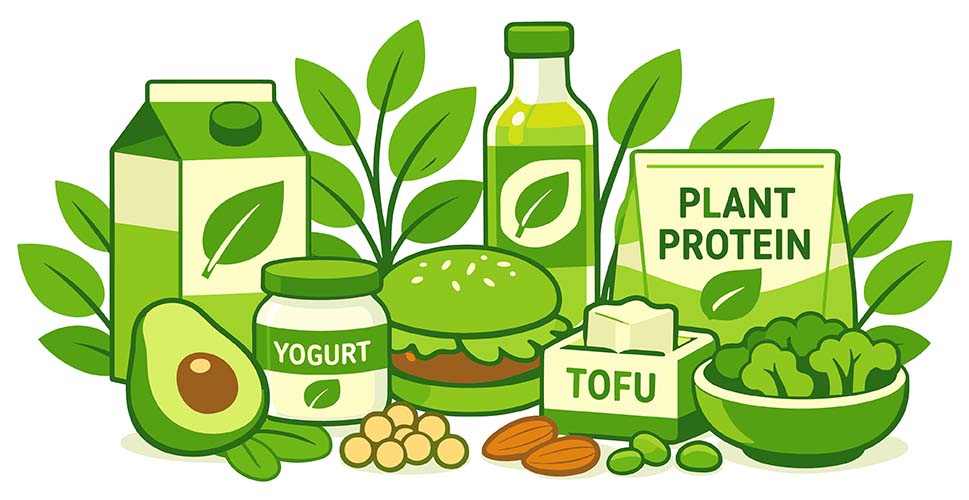
Dairy alternatives and plant-based meat products are evolving. These food products incorporate more whole plant protein, less sugar and more natural texture systems cleaning up the labels and nutritional profiles. Citri-Fi® citrus fiber, an upcycled and clean label ingredient, provides the water holding and emulsification properties needed to create upscaled pro plant-based foods.
Finally, households are tearing off the last square of toilet paper hoarded by many during the 2020 pandemic. Back in the COVID days, people scrambled to restore a sense of control. Some squirreled away toilet paper to level their anxiety. Others searched for healthier foods which included trying out dairy alternatives and plant-based meats. Though plant-based foods existed years prior, it was not until the pandemic when they earned recognition at the dinner table. However, after the height of the pandemic, when people realized that death was not imminent, they returned to back their lifestyle. As a result, the animal-free food sales shrunk, a shakedown commenced across brands and toilet paper reappeared on the shelves. Contrary to the past series of events, the pro plant-based movement is alive and kicking today.
Dairy Alternative Formulation Shifts: Minimalist Ingredient List
Plant milks are still thriving. This category continues to innovate and launch new products appealing to a wide consumer base. Bleeding edge technologies like precision fermentation and molecular protein mimicry specialization are forming the next generation of dairy-free foods. At the same time, product developers are creating new products pleasing the GLP-1 movement and health buffs such as high protein and reduced sugar plant milks. Other innovative launches include niche milks like pistachio, pecan, walnut and sunflower seed for those looking for alternatives to soy and almond.
Another key formulating trend includes the use of natural texturizing systems. First generation plant milks used carrageenan, gellan gum, mono- and diglycerides and modified starches to create the smooth and stabilized textures. Today, formulators have access to clean label options including citrus fiber. Citri-Fi citrus fiber binds water and provides emulsification stabilization which creates a stable and more natural mouthfeel. Citrus fiber’s low usage levels (<1%) and clean labeling options which includes citrus fiber, dried citrus pulp or citrus flour make this option ideal for pro plant-based foods.
Citri-Fi citrus fiber is produced from byproduct of the citrus juicing industry. The process, which is free from chemical modifications, opens up the fiber to provide the dual functionality. However, not all citrus fibers are created equal. Citri-Fi’s high level of intact native pectin differentiates itself from other citrus fibers. And this is the key to superior functionality at low usage levels. Since shear is Citri-Fi’s friend, using high shear like homogenization optimizes the Citri-Fi usage level while creating a smooth and creamy plant milk.
Imitation Meat Departs and Whole Plant Protein Enters
The plant-based meats category took a major blow when industry demonized specific ingredients meat substitutes contained such as methylcellulose. Consumers were convinced that though plant-based meats did have a earth-friendly carbon footprint, meat alternatives were considered ultra-processed foods (UPFs). And special interest groups convinced everyone, ultra-processed is bad. Because of this, plant-based meat companies regrouped and developed a different strategy creating pro plant-based whole protein foods.
The first generation plant meats used soy and wheat to create the meaty and chewy texture mimicking their animal-based counterparts. And to get a cohesive meat alternative, developers utilized stabilizers and texturizing systems. Now, the goal with plant-based meats is less about replacing animal meats one-to-one and more about creating a whole food product containing plant proteins to support a healthy nutritional profile. Today, product developers innovate with new plant protein sources such as fungi-based proteins like mycelium. Others are incorporating fava bean, mung bean and lentils to provide a nutrient dense protein product.
However, even when using novel protein sources, meat alternatives like patties and nuggets, these products may need a little assistance with binding water and oil. Ingredients like Citri-Fi citrus fiber are an ideal option due to its water holding and emulsification properties at low usage levels (<1%). The clean label helps minimize the ultra-processed stigma. Citri-Fi citrus offers many solution sets to aid in product development:
Planting Forward: Clean, Sustainable and Protein Focused
The annual Natural Products Expo West show recently took place in Southern California. Those who are familiar with this expo know it blows the mind and fatigues the feet. Despite is ginormous presence in the food industry, show recaps indicate that innovation was centered around protein enhancement or protein fortification driven mostly by the GLP-1 consumer segment. This GLP-1 movement and the flack around ultra processed foods will drive the need for more clean label and protein-enriched food products including those pro plant-based foods like dairy alternatives and meat substitutes.
Citri-Fi citrus fiber is an ideal formulating tool for both plant-based categories due to its dual functionality (water holding and emulsification properties), sustainable story and clean label image. And because it qualifies as dietary fiber, formulators are bonused with functionality and fiber contributing benefits. Citri-Fi is non-GMO project certified, allergen-free and gluten-free. The 400 series is certified organic both in the U.S. and Europe.
For more information, please contact our technical team.
