Email Us info@fiberstar.net
Call Us +1 (715) 425-7550
Beverages and Drinks: Citri-Fi Citrus Fiber Provides Stability, Pulp Extension and Natural Mouthfeel

Strip the Stabilizers – Plant-based Beverages

Clean label continues to be a hot topic for plant-based beverages. The new Citri-Fi 600 citrus fiber series, at low usage levels, provides additional viscosity and creates stable full-body mouthfeels in plant milks without the use of stabilizers like gellan gum. Citri-Fi’s upcycled story also supports milk alternative’s sustainability initiatives.

In previous articles crafted about plant-based beverages, the topics focused on types of plant milks, food ingredient usage and processing methods. Yet, none honed in on the clean label trend. Simplified food labeling continues to be a hot topic especially in plant-based milks like oat milk and almond milk. Some manufacturers tout their homemade style processing which uses no stabilizers. At the same time, stability and texture tend to be compromised. In the 1980’s, finding a sludge of chocolate at the bottom of a milk glass created Cheshire smiles on every kid’s face. Today, finding a slug of particulates at the bottom of a drink triggers a head scratch.

Citrus Fiber - Formulating Stability & Creamy Mouthfeel

Currently, gellan gum is the workhorse stabilizer in the dairy alternative beverage category. This wonder ingredient prevents separation during shelf-life. And its functionality creates a smooth mouthfeel. Without adding stabilizers, water and oil separate and insoluble components sink to the bottom. As a result, the mouthfeel is one degree away from water consistency.

Citrus fiber, such as Citri-Fi 100 series, is used in some commercial plant-based beverages. Though it provides some stability and improves the mouthfeel, it complements stabilizers like gellan gum. This solution focuses on improving texture but does not address the clean label market need. Because of this, Fiberstar launched the Citri-Fi 600 citrus fiber - "Next Level of Functionality". This new series provides higher viscosity versus the Citri-Fi flagship line. Using the 600 product line between 0.3% to 0.8% creates stability and enhances the full-body mouthfeel. A one or two pass homogenization step opens up this natural citrus fiber's structure. As a result, stabilizers like gellan gum can be omitted.

Sustainability Aligns with the Plant-based Beverage Story

Milk alternatives also tell a sustainable story. One of the keys to success is the fact that this category minimizes its carbon footprint and reduces the environmental impact. Every ingredient selected should contribute to that story. Citri-Fi citrus fiber has its own sustainable narrative. This upcycled citrus fiber is produced from byproduct of the citrus juicing industry. The chemical-free process opens up the fiber to create high water holding and emulsification properties. The new Citri-Fi 600 series is non-GMO, allergen-free and gluten-free. This natural citrus fiber has no E-number. Labeling options include citrus fiber, dried citrus pulp or citrus flour. The USDA certified organic citrus fiber 700 series will be available soon.

To learn more about creating clean plant-based beverages using citrus fiber, please reach out to our technical team.

Read more →

Tomato Extension, Natural Tomato-like Texture, Viscosity, Thickness - Citri-Fi Citrus Fiber

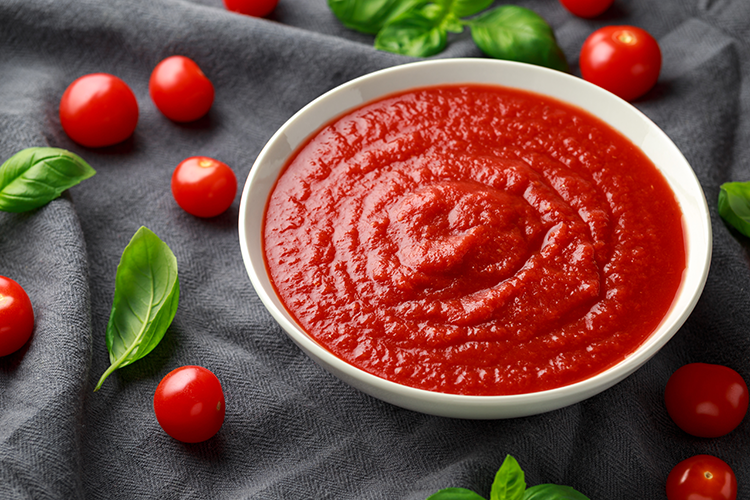
The Secret Sauce: Tomato Paste Extender for Pizza Sauce

Pizza is an ideal delivery system full of vegetables, proteins and grains which are packed with fiber, vitamins and minerals. However, escalating tomato costs can hinder opportunities. The new Citri-Fi® 600 series is a neutral flavored citrus fiber that creates thick natural tomato-like textures. At low usage levels (1%), this tomato paste extender for pizza sauce can reduce usage by 25-30%.

Years ago, I attended a new product development course at the Annual IFT Expo. The instructor assigned groups to tackle one of New Orleans’s conundrums – lack of nutrition within the homeless community. To fully understand the communities’ needs, our group milled around the city on foot interviewing shelters, missions and other non-profit homeless organizations. We returned to our class with the ultimate idea - pizza. Pizza met the nutritional requirements to survive the streets. This ideal delivery system full of vegetables, proteins and grains was packed with fiber, vitamins and minerals. And the secret sauce – no pun intended – was the pizza sauce. However, every penny counted in this environment. As a result, we recommended several cost cutting solutions including tomato paste extenders for pizza sauce.

Tomato Paste Extender Solutions

Tomato paste extenders have existed for years in the food industry. For instance, these solutions range from starches and food gums to other stabilizers. Each solution bears their own pros and cons when used to extend tomato in pizza sauces. For example, food starches create hot or cold viscosity that builds texture when tomato solids are reduced. However, they typically require high usage levels and produce a different mouthfeel. Food gums, on the other hand, thicken up textures at low usage levels (<1%). Yet, their textures tend to be stringy.

Today, the market offers natural alternatives such as citrus fiber. However, not all citrus fibers are created equal. The NEW Citri-Fi 600 citrus fiber series provides the “next level of functionality”. This neutral flavored fiber provides higher viscosity versus the flagship 100 line. Other citrus fibers on the market contribute limited functionality including added viscosity. Because of this, Citri-Fi 600 serves as an ideal tomato paste extender for pizza sauce.

At low usage level (1%), Citri-Fi 600 reduces up to 25-30% tomato paste. As a result, manufacturers can witness significant cost savings. This natural citrus fiber requires only high shear, such as a countertop blender, to create a thick and natural tomato-like texture. To reduce higher levels of tomato paste, product developers can increase the Citri-Fi 600 usage level and/or increase shear by using a homogenizer. These methods can extend tomato paste up to 50%.

Citrus Fiber Portfolio of Tomato Paste Extenders

Now, product developers have several tomato extension solutions to choose from. Selecting the best solution depends on equipment and food labeling requirements. The Citri-Fi 100 citrus fiber series calls for high shear such as homogenization to provide similar benefits. The Citri-Fi 200 series, which is citrus fiber co-processed with guar gum, thickens too. However, the food labeling includes “guar gum” which can be a deal breaker for developers. And for organic food and beverages, the Citri-Fi 700, which is the USDA certified organic version of Citri-Fi 600, will be launched soon.

Other citrus fiber benefits include syneresis control, starch and gum-free formulations and food processing stability (low pH, heat and freeze/thaw). In addition to the functional benefits, Citri-Fi is non-allergenic, gluten-free and non-GMO. The 100 and 600 series have no E-numbers. Labeling options include citrus fiber, dried citrus pulp or citrus flour which resonate well in the natural and clean label markets.

The technical team is available to provide guidance in using Citri-Fi citrus fiber as a tomato paste extender in pizza sauce. Please contact us to learn more about potential cost savings.

Read more →

Dressings, Sauces, Condiments. Dips & Spreads - Citri-Fi Citrus Fiber Creates Stability, Natural Emulsifier, Creamy Texture, Clean Label

Dips and Spreads the Good Word – Citrus Fiber

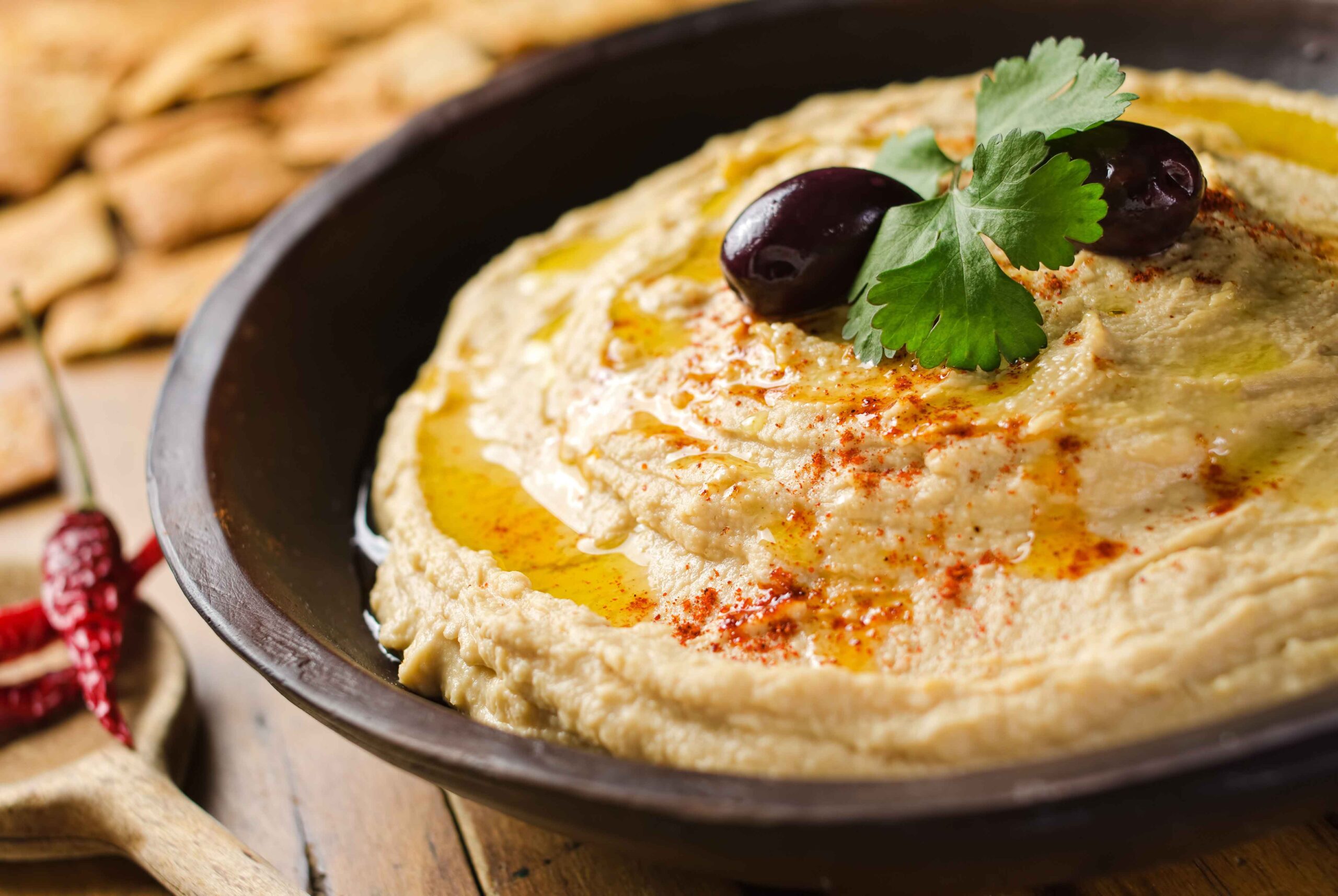
Dips and spreads use several types of stabilizers to bind water and emulsify. However, with ingredient supply chain constraints looming and the growing need for more natural ingredients, manufacturers are seeking alternatives. One natural solution, Citri-Fi® citrus fiber, not only provides the dual functionality, but also, cleans up label declarations in a variety of foods like salsa, hummus and cheese dips.

Hosting a party is not complete without a smorgasbord of dips and spreads to go with your chips and crackers. Dips range from dairy-based like sour cream to bean-based like hummus. Over the past few years, this category experienced a surge of innovation. For instance, the clean label movement spurred many foods to contain more natural ingredients with shorter listings. The plant-based trend drove new innovation in dairy-free or dairy alternative options. And to minimize consumer fatigue, new flavors and seasoning options emerged including bold ethnic flavor profiles.

Challenges in Dips and Spreads Formulations

Despite the popularity of dips and spreads, they do face their own set of challenges behind the scenes. For example, some of these dip ingredients are encountering availability issues. Typical shortages affecting dip formulations include workhorse food ingredients like starches and food gums. However, replacing these stabilizers pose a challenge since many functional ingredients have their limitations. Because of this, product developers explore a systems approach to replace one ingredient.

Another challenging area involves dairy-free or dairy alternative dip formulations. For instance, dairy proteins in conventional dips bind water and emulsify. In dairy-based dips, the water releases over time causing syneresis. As a result, stabilizers such as starches and food gums are typically incorporated. However, some of these ingredients risk food labeling issues – not consumer friendly.

Dipping into the Citrus Fiber Solution

Another option is to use alternative functional ingredients like citrus fiber. However, not all citrus fibers are created the same. Today, the market offers several citrus fibers which differentiate themselves by their raw material, composition and their processing. Some citrus fibers provide limited functionality due to low pectin content making them more fit as a fortifying dietary fiber. Other citrus fibers stem from byproduct of the pectin extraction process. Because of this, they are exposed to solvents and potentially other agents to make the finished product.

Alternatively, Citri-Fi citrus fiber is produced from byproduct of the citrus juicing process using a process free from chemical modifications. This natural process preserves the citrus fiber’s composition how nature intended. Citri-Fi contributes over 70% dietary fiber with almost half containing soluble fiber in the form of native intact pectin. The natural composition and process opens up the fiber to provide high water holding and emulsification properties. This dual functionality creates high quality natural dips and spreads.

Citrus Fiber Usage Guidelines Spread

Citri-Fi 100 product line’s low usage level, less than 1%, binds the water and provides emulsification properties if oil or fat are present. Typically, this natural ingredient is added to dry ingredients before the liquid phase. This helps with uniform dispersion. If high shear is available, product developers can add the Citri-Fi to water under agitation. Lastly, this citrus fiber can be mixed into oil first before mixing with water to create an emulsion.

For example, Citri-Fi can be used between 0.3% and 0.7% in dairy-free dips containing plant-based protein bases to bind up loose water. This minimizes syneresis over shelf-life. Another potential dip application entails product developers trying to extend dip ingredients for cost savings. For instance, in hummus dips, garbanzo bean (chickpea) bases or tahini can be extended using Citri-Fi citrus fiber to help reduce costs. Typically, garbanzo beans bind water and emulsify naturally. However, these functionalities lessen with reduced levels.

Citrus Fiber: Clean Label and Available

Citri-Fi’s labeling options include citrus fiber, dried citrus pulp or citrus flour which all resonate well in the natural markets. This upcycled ingredient is also non-GMO project certified, allergen-free and gluten-free. And because Citri-Fi has no e-number, regions like Europe benefit from using it in E-free food and beverages. In addition, Fiberstar just recently launched the USDA certified organic version – Citri-Fi 400 series. This new organic product line provides similar functional benefits – water holding and emulsification properties – to the flagship 100 series.

For more information, please contact us.

Read more →

Plant-based Meats & Plant Sausage: Citri-Fi Replaces Methylcellulose, Improves Juiciness, Firm Texture and Meat-like Texture

Serving up Plant-based Sausage – Citrus Fiber

Sausage is a popular indulgence globally. Because of this manufacturers try to create their own plant-based sausages. Challenges include soft, mushy texture and oil purge. However, Citri-Fi® TX, a larger granular citrus fiber complements formulations to enhance the meat-like and firm texture. At 2% usage level, this natural ingredient improves the texture, taste and clean labeling.

Sausages are a favorite staple in many regions of the world. In the U.S., they pop up in a variety settings including backyard BBQs, festivals, sport stadiums, and state fairs. They are the perfect carriers when it comes to seasonings, flavors and even vegetable or fruit inclusions. As a result, they fit in any meal -morning, noon or night. Because of the popularity, many manufacturers tend to create their own plant-based sausage versions to offer the market more options.

However, producing a plant-based sausage comes with challenges. Animal-based sausages tend to be firm, meaty and slightly chewy due to the ratio of animal meat and fat chopped and formed together. The utopia combination is difficult to simulate using typical plant-based ingredients such as vegetable proteins, hydrocolloids and gluten. Many times, the sausage alternatives produce a soft and non-chewy bite. Depending on the formulation, some plant-based sausages purge oil which dries out the inner texture and in return reduces the flavor. Creating that comparable animal-based taste and texture using plant-based ingredients is the unicorn dilemma in formulating.

Meaty Plant-based Sausage using Texturized Citrus Fiber

There are many plant-based sausages on the market. And some come close to their animal-based counterparts. However, they still need that pinch of magic to improve their meat-like texture and firmness. This is where citrus fiber can make a big difference. Yet, not every citrus fiber is the same. Citrus fibers differ by pectin content, insoluble/soluble fiber composition and particle size. Most citrus fibers on the market are offered in small particle sizes. Those types may be great at holding water and emulsifying if they have high pectin content like the Citri-Fi 100 citrus fiber series. Though this may improve the juiciness, these small particle sizes rarely create the meat-like texture.

On the other hand, a larger sized granular citrus fiber, like Citri-Fi TX, enhances plant-based sausage’s meat-like texture and firmness. This natural ingredient complements other hydrocolloids. At the same time, Citri-Fi TX is not used to replace texturized plant protein which typically serves as the base of the food product. This texturizing citrus fiber is typically added to the dry ingredients like flavor, salt or sugar and then hydrated. Additional steps include shear and mixing with other ingredients to form an emulsion. If interested in a starting formulation and methods, please contact us for more details.

In the end, Citri-Fi TX at 2% produces a firmer and more meat-like texture. According to the Texture Analyzer results, using Citri-Fi TX increases the compression by 38% versus using no Citri-Fi TX. As a result, this demonstrates how Citri-Fi TX increases the firmness of the product. And sensory comparisons also indicate that Citri-Fi TX improves the meaty chew.

Additional Plant-based Benefits

Besides the meat-like texture and firmness, Citri-Fi TX provides additional benefits. This upcycled citrus fiber is produced from the citrus juicing process. Producing this food ingredient uses no chemical modifications which sets this citrus fiber apart from others on the market. Citri-Fi TX is non-allergenic, gluten-free and has no e-number which is desired by regions like Europe. Labeling options include citrus fiber, dried citrus pulp or citrus flour which all resonate well in the clean label markets.

To learn more about this plant-based sausage, please contact us.

Read more →

Bakery fillings - pectin extension, thickener, starch replacement, natural texture

Bakery Fillings: Converting to Clean Label

Limited ingredient supply and clean label trends triggered bakers to reconsider their bakery filling stabilizer strategy. Today, there are alternative options including Citri-Fi® citrus fiber which provides high water holding and emulsification. As a result, this food ingredient improves stability, natural texture and food labeling at low usage levels (<1%) in bakery fillings.

What is more decadent than biting into a warm donut with filling oozing over your lips? This fond memory stems back from childhood days and forward into adulthood. Bakery fillings come in a variety of flavors and textures including cream, chocolate, fruit and nut-based. This gives bakers a palette of options which make the combinations endless. However, bakers also use stabilizers to improve the filling’s stability and texture.

For instance, fruit fillings typically contain added pectin to thicken and gel. Also, bakers incorporate modified starches which provide viscosity, heat tolerance and freeze/thaw stability. For years, bakers leaned on these hydrocolloids to solve their texture and stability challenges. However, some market trends such as limited food ingredient supply, clean label and more natural textures are driving the need for new solutions.

Trends Shaping the Fill

The aftermath of COVID is still playing out in the global supply chains. Because of this, some food ingredients are limited in availability including modified starches. Larger food companies’ buying power may protect them from these shortages. On the other hand, medium to smaller players have no choice but to seek alternative ingredients.

Another market trend predominant today involves natural and clean labeling. Consumers read food declarations more than before. And their decision-making is based on what sounds familiar and safe to them. Initially, consumers frowned on food ingredient names that were not typical pantry staples. Now, this includes other ingredients including modified starches. Any words associated with chemicals fall suspect. And in other parts of the world, consumers veer away from E-number ingredients like pectins, modified starches and food gums. As a result, the market demands more natural ingredients for bakery fillings.

Citrus Fiber Functionality in Clean Label Bakery Fillings

One natural solution for bakery foods entails using citrus fiber. However, not all citrus fibers are created the same. Some citrus fibers are byproduct of the pectin extraction process which produces less functionality. Others are upcycled material from the juicing industry. Citri-Fi is a natural citrus fiber created from the citrus juicing process. The mechanical process, which is free from chemical modifications, produces a fiber that contains both soluble and insoluble fiber. The soluble fiber portion consists of high amounts of intact native pectin. As a result, this natural food ingredient provides high water holding and emulsification properties.

At low usage levels (<1%), Citri-Fi provides thickness and heat stability. It binds the water to prevent separation and blow-outs in enrobed baked goods. Also, this upcycled ingredient creates more natural textures in cream, fruit and chocolate-based bakery fillings. Another key benefit is freeze/thaw stability. Citri-Fi binds the water tightly. As a result, minimal water migrates during frozen storage.

In fruit fillings, Citri-Fi can be used up to 2% to produce the gelling texture in low pH and high Brix processing conditions. Citri-Fi not only improves the texture and stability, but also, this citrus fiber creates clean label bakery fillings. Citri-Fi’s labeling options include citrus fiber, dried citrus pulp or citrus flour.

Benefits in Other Baked Goods

Because of the dual functionality, Citri-Fi also benefits other baked goods such as breads, muffins, cakes and cookies. The water binding retains moisture so that the bakery item remains fresh over longer time. Additionally, Citri-Fi’s emulsification properties help it to partially replace egg and/or oil content without comprising quality.

Citri-Fi is non-allergenic and gluten-free which is ideal for gluten-free baking. Also, this natural ingredient is non-GMO project certified and has no E-number. These attributes make this citrus fiber an ideal clean label ingredient for bakery fillings and other baked goods.

If you need more information, please contact us.

Read more →

Citri-Fi Citrus Fiber is a clean label starch replacement

Starch Replacement in Formulations: Ironing out the Options

Supply chain hiccups are disrupting the availability of food ingredients like modified starches. As a result, starch replacement in formulations is a recent request in the industry. Modified starches provide multiple benefits including thickening, viscosity, gelling, binding and emulsification. At the same time, Citri-Fi® citrus offers similar functionalities due to it natural upcycled fibrous composition. As a result, this citrus fiber can be used to extend or replace some modified and clean label starches.

Food starch is one of the most common food ingredients used today. For instance, consumers sprinkle food starches into their home recipes to create thick and creamy soups. And the food industry uses it as a workhorse ingredient in almost every food product around the globe. Many of the common botanical starch sources include corn, wheat and rice. They all provide multiple functionalities including thickening, viscosity, gelling, binding and emulsification depending on the botanical source and modification. In the hydrocolloid world, they are the champions of water management. As a result, they create high quality processed foods such as yogurts, salad dressings and frozen appetizers. Currently, multiple hiccups within the supply chain disrupted the availability of certain food ingredients. This includes modified starches. As a result, starch replacement in formulations or extension strategies remain on the top of many companies’ minds.

However, challenges arise when extending or replacing modified starches. Modified starches sustain harsh food processing, storage and handling conditions. Without modified starch, sauces would separate out over time. Some yogurts would fall off the spoon in a watery mess. And frozen products would form ice crystals affecting the food texture during reconstitution.

Some potential starch substitutes on the market consist of blends containing gums, alginates, plant fibers and emulsifiers. However, choosing the optimal replacement or extension highly depends on the starch’s original contribution to the food formulation. For example, was the starch used to create viscosity in heated and low pH conditions? Or was it to provide emulsion stability as well? Not one size fits all when replacing starch in a formulation.

Comparing Natural Citrus Fiber to Starches

One natural solution which provides multiple functionalities is Citri-Fi citrus fiber. This citrus fiber holds significant amounts of water and provides emulsification properties stemmed from its natural upcycled composition. At low usage levels (<1%), this plant fiber improves stability, texture and nutrition in a variety of food products ranging from bakery to sauces. Because of this, Citri-Fi and modified starches share parallels. For example, Citri-Fi provides cold viscosity, water holding, emulsification and gelation under certain parameters. This natural ingredient also stabilizes food in low pH, heat, freeze/thaw and shear conditions similar to modified starches.

Yet, some of the key beneficial attributes include its water capacity and emulsion stability. Citri-Fi holds 9 to 10 times its weight in water and three (3) times its weight in oil. Its natural functionality creates its stability unlike modified starches which need chemical modifications to do the same. Citri-Fi also contributes dietary fiber which helps improve food nutritional profiles. Lastly, Citri-Fi has no E-number unlike starches.

Formulating with Citri-Fi Citrus Fiber

With starch replacement in formulations, product developers need to understand two key factors. First, they need to identify the targeted functionality within the food application that the starch is delivering. Second, they need to outline the processing conditions. With these two pieces of information, the Fiberstar technical team can recommend the best citrus fiber for the application.

One of the important considerations when replacing starch in formulations is the incorporation method in the process and the proper hydration time to activate Citri-Fi’s functionality. In some cases, adjusting the usage level or using a different particle size may be more successful.

Creating Additional Viscosity

There are a few options when creating viscosity. First, as mentioned, shear opens up the fiber to create additional viscosity. Because of this, homogenization will open up the citrus fiber to expose more surface area where the water attaches. If homogenization is not an option, then trying either Citri-Fi 200 or 300 series may be a suitable solution. The 200 series is citrus fiber co-processed with guar gum and the 300 with xanthan gum.

Creating Gelled Textures

Because Citri- Fi contains high levels of intact native pectin, this natural ingredient can provide gelling at low pH and high Brix similar to isolated pectin. Most popular products are the 100FG and the 100M40 used at 1-2%. The gelling properties benefit applications such as fruit preparations like bake stable fillings.

Creating Emulsification

Binding oil and water is another key feature of Citri-Fi citrus fiber. Citri-Fi can bind up three (3) times its weight in oil making it an efficient emulsifier. To incorporate, the citrus fiber is typically added uniformly into the oil first before hydration to create a stable emulsion. However, Citri-Fi can also be added to the dry ingredients first before the hydration and oil step.

As a recap, Citri-Fi is a clean label solution that provides similar functionalities as modified starches. Therefore, starch replacement in formulations is possible. Some of these benefits include cold viscosity, heat, pH and freeze/thaw and shear stability and gelling. Citri-Fi's typical usage level (< 1%) may provide cost-in-use savings. Besides the functional benefits, Citri-Fi does contribute dietary fiber. And this natural ingredient is non-GMO Project certified, non-allergenic and gluten-free. Additionally, Citri-Fi has no E-number unlike modified starches so it is preferred in regions like Europe.

Read more →

Egg replacement in dressing, sauces, bakery fillings and dips

Egg Replacement: The Good Egg – Citrus Fiber

The market demands egg replacement options due to price and availability fluctuations, plant-based lifestyle trends and allergen-free food requirements. Though many solutions exist today, Citri-Fi® citrus fiber is one clean label option available to partially replace egg depending on the food product. Due to the citrus fiber’s high water holding and emulsification properties, Citri-Fi works synergistically with other food ingredients such as starches, gums and plant fibers to remove egg entirely.

Real eggs are the workhorse ingredients in the food world. They have so many functions in baked goods including aeration, browning color, binding, humectancy and leavening to improve the texture over shelf-life. Moreover, eggs provide coagulation, coatings, crystallization control and richness to a variety of other foods. Besides the functional benefits, eggs also fortify foods with protein content. So, why would the market demand egg replacement options?

Eggs experience pricing fluctuations like any other food staple. Temporary anomalies such as the current Avian flu create price hikes and supply constraints that affect companies that are not locked into contracts or lack buying power. On the other hand, there are other market dynamics at play that drive the need for egg replacers. For instance, there is a wave of consumers shifting toward a plant-based diet. Because of this, people are looking for animal-free including egg-free foods. Another segment steers away from egg products due to allergen concerns. Typically, if one allergen is avoided such as gluten, other allergens are added to the elimination list. For example, many restaurants are converting over to vegan mayonnaise for food safety and allergen reasons.

A Nest Full of Egg Replacement Options

There have been egg replacers on the market for over 10 years now or more. And they vary amongst different ingredients such as food gums, dairy and wheat proteins, starches, plant fibers and blends of these ingredients. Other types of ingredients also include leaveners, enzymes and emulsifiers. The type of ingredients used highly depends on the food product that the egg is used in. And each ingredient has both pros and cons. For instance, some ingredients are chemically modified, some are considered allergens and some lack nutritional contributions. In the end, egg replacement requires multiple ingredients or a systems approach. Dialing into that exact system is a challenge especially to reach 100% egg replacement.

Citrus Fiber as an Egg Replacer Formulation Tool

As mentioned, some plant fibers provide some of the lost functionality in an eggless food. For example, Citri-Fi citrus fiber is a potential solution. This natural ingredient provides high water holding and emulsification properties similar to eggs. As a result, product developers can reduce the amount of egg in the formulation. And when used with other hydrocolloids, 100% egg replacement may be possible especially in bakery products.

Citri-Fi can partially replace eggs in baked goods including pancakes, cookies, layer cakes and muffins. This citrus fiber extends eggs in bakery fillings like custards too. In both instances, less than 1% will create high quality bakery products. In addition, these baked goods tend to maintain freshness over time improving shelf-life. This natural citrus fiber is added in with the dry ingredients such as flour and sugar before the liquid phase.

This natural ingredient is allergen-free and ideal as a gluten-free bakery ingredient. Many gluten-free products avoid ingredients such as egg, soy, wheat and dairy. These ingredients tend to provide water holding, binding, structure and emulsification to the food. Without using one or more of these food ingredients, the bakery product tends to lose quality. However, Citri-Fi, at <1% usage level, provides moisture retention and oil and water binding to improve the structure and freshness over time.

Yet, Citri-Fi also shines in egg-free spreads such as vegan mayonnaise. This citrus fiber’s high intact pectin content creates an emulsion with the other food ingredients which does not break over time. As a result, the mayonnaise remains uniform and creamy.

If you have additional questions about citrus fiber as a potential egg replacement ingredient, please contact us.

Read more →

Clean Label Processed Meats - Citri-Fi Citrus Fiber - Increased Yields, Succulence, Meat-like texture

Clean Label Processed Meats: Tips using Citrus Fiber

The meat industry continues to push the envelope in delivering clean label processed meats. Options available include using Citri-Fi® citrus fiber which holds high amounts of water and emulsifies which as a result improves the texture, quality and food labeling.

Animal meat processors continue to swirl around in a pool of continuous market flux. For instance, the entire supply chain faces dilemmas ranging from animal treatment to environmental concerns. However, one demand that continues to surface is clean label. This trend floated to the top due to a shift to plant-based eating. Though meat substitutes may be packed with plant-based proteins, some critics quickly point out the degree of processing that occurs. Because of this, many skeptical consumers revert back to their definition of “real food” -  clean label processed meats.

Clean label in this arena applies to many facets including quality, texture and preservation. For example, savvier consumers now scan labels for additives like salt, nitrates and phosphates. However, at the same time, each ingredient plays a special role delivering a juicy, tender and safe meat product to the consumer’s plate. Without these ingredient actors, some processed meats would dry out during the cooking process. Or their shelf-life would be cut in half without a preservation system.

The market offers several label friendly options such as citrus fiber. Below provides tips on how to create clean label processed meat products.

Phosphate-free Poultry Products

Processed poultry products such as Rotisserie chickens tend to be injected with salts and phosphates to reduce purge and increase cook yields. As a result, this creates juicy and succulent textures. Citri-Fi citrus fiber holds a lot of water and emulsifies which can be used with other natural hydrocolloids like carrageenan or native rice starch to create meat formulations free from phosphates. The citrus fiber, when used at (<0.5%), and the hydrocolloid hold onto the water during the cooking process to retain the juiciness. The Citri-Fi’s emulsification properties bind the fat and water to prevent loss. As a result, the rich poultry flavor remains in the meat which enhances the eating experience.

Injected Pork Lion Minus the Phosphate

Pork lion also uses injection marinades with additives to improve the yields and eating qualities. Citri-Fi, at low usage levels (<0.5%), can be used with sodium bicarbonate as a buffer to improve the cook yields and reduce purge. This method not only provides cost-in-use savings, but also, improves the quality of clean label processed meats

Animal Meat Fat Reduction

Typically, lowering the fat content of a meat product adversely affects the mouthfeel and texture. Because Citri-Fi binds oil and water, it improves the sensory properties by helping to retain the full-fat mouthfeel. Moreover, this natural ingredient helps product developers improve the Nutri-Score of the meat products. Bettering the Nutri-Score is an important initiative in some regions of the world. For example, product developers target to lower salt, sugar and saturated fats to improve the Nutri-Score of foods. However, by using this natural citrus fiber, consumers now enjoy clean label processed meats with improved nutritional profiles.

Citrus Fiber in Other Meat Products

Citri-Fi also benefits other processed meat products including emulsified meats like frankfurters and hot dogs in addition to chopped and formed meats like kebabs and gyros. Moreover, this plant-based ingredient improves the meat-like texture, binding and juiciness of meat substitutes like patties, nuggets and sausages. And when used with plant-based proteins like potato protein or canola protein, Citri-Fi helps create products free from methylcellulose which improves food labeling.

This natural ingredient has no E-number. Labeling options vary by region. For example, USDA approved labeling includes citrus flour or dried citrus pulp which resonate well in the clean label and natural markets.

To learn more about what Citri-Fi can do for you, please contact us. Or visit us at the upcoming industry trade shows.

Additional Information

Moisture Maintenance (Meat & Poultry)

Multi-faceted Approach to Replacing Phosphates (National Provisioner)

Keeping it together  (National Provisioner)


Read more →

Plant-based Meats, Meat Alternatives & Plant-based Foods: Citri-Fi Replaces Methylcellulose, Improves Juiciness, Firm Texture and Meat-like Texture

Natural Products Expo Trends: Plant-based Meat Formulations & Dairy Alternatives

Meat substitutes and dairy alternatives were Natural Products Expo West hottest areas this year. Many companies showcased their newest plant-based meat formulations which came in a variety of formats using alternative plant-based proteins. Though plant-based milks continue to penetrate the market, dairy-free cheeses littered the floor with innovative formats, styles and flavors. Amongst some products, citrus fiber appeared on ingredient labels due to its high water binding and natural emulsification benefits.

It happened! The 2022 Natural Product Expo West show resumed its regular in-person exhibition. For those who are not familiar with this trade show, it is the mecca of all trade shows when it comes to natural food products. For the seasoned attendees, one knows this massive show merits at least two days, a pre-planned floor strategy and a pair of cozy shoes to wear. If you are lucky enough, you may eye-spy tinsel town investors and actors trolling the floor next to you. However, this year, it is no surprise that plant-based foods stood in the limelight. Two categories popped out amongst the mass which included meat substitutes and dairy alternatives. New plant-based meat formulations and dairy-free products littered the aisles. Below outlines a few of the top trends spotted at the show.

Meat Substitute Product Formats

This category started life in a burger patty format years prior. However, today, meat substitute products come in all forms including chorizo, hot dogs, shredded barbacoa, ground beef or pork, sausage links and pate. These meat-free foods also take form of traditional cold cuts such as prosciutto, carpaccio, salami and pastrami. Several companies even turned their booths into benevolent butcher shops showcasing all types of plant-based meat formulations. Despite the variety, plant-based bacon offerings were limited at the show.

Faux Chicken, Egg Substitutes and Seafood Analogues

The plant-based chicken category was a main focus. Many companies sampled their cutlets, nuggets, ground and patties including Quorn. Both retail and food service folks swarmed the booths in search of new product offerings. Another category that popped up was plant-based eggs. Some companies took the route of scrambled tofu to demonstrate its versatility. Other companies explored other avenues using ingredients like mung bean starch or pepita seeds (Spero).

However, the most exciting and fastest growing category was plant-based seafood. Several companies on the floor showcased their seafood alternatives. For instance, some presented salmon sliders, crab cakes, fish sticks and even tuna in a can. (Atlantic Natural Foods  |  Good Catch Foods  |   Sophie's Kitchen) The texture and flavor simulated its fish-based counterparts which required skill and art when working with plant-based meat formulations.

 Plant-based Meat Formulation Ingredients

The plant-based toolbox expanded over the years. Many companies veered toward clean label ingredient decks. For instance, meat substitute bases incorporated soy, pea, garbanzo, black beans, lentils, navy bean, fava beans, adzuki bean, hemp, tempeh or cauliflower. Ingredient labels also listed clean label stabilizers and natural emulsifiers to protect these products during food processing, transportation, freeze/thaw and storage conditions. For instance, some companies presented a whole line of frozen meals incorporating meat alternative products such as lasagnas and pot pies. (Komo Foods  |  Tattooed Chef)

 Dairy Alternative Innovations

Though plant-based milks continue to penetrate the market, companies moved beyond the traditional soy and rice bases. For example, plant milks now use oat, cashew, hemp, walnut, macadamia, and sesame seeds. (Hope & Sesame  |   Milkadamia) Furthermore, companies pitched their products as milk nogs, barista milks and creamers.

However, the hottest and new area within dairy-free is plant-based cheeses. The most popular cheese analogue formulations used starch and fats or oils. These typically are cheaper to produce compared to cultured nut milks. The cultured market leader, Miyoko’s, showcased their liquid cheese alternative on pizza crust. It melted just like its animal-based version and tasted cheesy. Other formats at the show included shredded, cubed, sliced, crumbled and blocks. Companies even ventured into more artisan cheese types such as smoked gouda, feta, parmesan, pimento, hot pepper, sharp cheddar and French styles. (Good Planet Foods  |  Nuts for Cheese)

Other dairy alternatives categories at the show included cheese spreads, yogurts and frozen desserts. They too used similar plant milk bases but differentiated themselves by flavors, styles and formats. And like plant-based meat formulations, these dairy alternative products used plant-based stabilizers and natural emulsifiers to create high quality food products that withstand processing, transport and storage.

Citrus Fiber - The "Go To" for Plant-based Foods

Citrus fiber was spotted on several plant-based meat and dairy alternative labels at this year’s show. Because Citri-Fi® citrus fiber helps bind oil and water to stabilize plant-based foods, its high functionality and clean labeling make this a popular go-to ingredient. If you have questions on how to use Citri-Fi in your next plant-based meat formulation or dairy alternative product, please contact us.

Read more →

Frozen Foods: Ice Cream, Frozen Meals, Sorbets: Citri-Fi Citrus Fiber Binds Water, Freeze/thaw Stability and Reduces Ice Crystal Formation

Ice Cream Stabilizers: Churning with Substitutes

Hydrocolloid supply is tight which is causing product developers to seek out alternatives for ice cream stabilizers. Citri-Fi® citrus fiber binds water and provides emulsification which makes it ideal for freeze/thaw proned foods like ice creams. At low usage levels (<1%), this natural ingredient creates smooth and creamy textures in both dairy-based and vegan ice creams.

Hydrocolloids are so dramatic! Their procurement story endures twists and turns caused by numerous factors. For instance, if farmers are spared from adverse weather conditions, then geopolitical instability may exist. If regions are in harmony, then logistics face shortfalls. These dramatic wrenches disrupted the food ingredient supply chain today which includes hydrocolloids. Because of the hydrocolloid supply constraint, frozen food developers are seeking substitutes for ice cream stabilizers.

Hydrocolloids such as starches, gums, and alginates are the backbone in many formulations. Depending on the type, they can provide stabilization, gelation and other effects when used in food and beverages. In ice cream, they manage water and ice migration. And when used with other hydrocolloids, they become optimal stabilizers. Common hydrocolloid gums include guar, locust bean, tara and cellulose gum. Because of their water holding nature, they preserve the smooth texture when ice cream moves thru freeze/thaw cycles typically occurring during transport, handling and storage.

However, due to the clean label movement, several hydrocolloids fell out of favor with consumers. Product developers began looking for natural stabilizers for ice cream. Yet, like many natural ingredients, they come with limitations. If water is not bound and managed, ice crystals form to create a sandy mouthfeel. And if the stabilizer blend is not optimized, certain hydrocolloidal gums tend to produce a gummy or chewy texture. Now, with the supply chains issues, seeking out natural ice cream stabilizers became even more challenging.

Natural Ice Cream Stabilizer Substitutes that Performs

Though product developers gravitate to typical ice cream stabilizer systems peddled by a handful of companies, the market offers ice cream stabilizer substitutes such as Citri-Fi citrus fiber. This natural citrus fiber has high surface area which binds large amounts of water. And due to its high amount of native intact pectin, this food ingredient binds oil and water like a natural emulsifier. Similar to hydrocolloidal gums, this citrus fiber performs at low usage levels (<1%).

In addition to dairy-based ice creams, Citri-Fi provides similar benefits similar to a vegan ice cream stabilizer. Yet at the same time, it is a natural food ingredient since its composition is intact as nature intended. Many ice creams using bases like rice, cashew, soy or coconut tend to crystallize. The little ice crystals create a sandy mouthfeel like you are chewing glass. However, Citri-Fi citrus fiber binds up the water to prevent mobility. The dairy-free ice cream texture remains smooth and creamy over time.

Because of the dual functionality, Citri-Fi can replace ice cream stabilizers like hydrocolloidal gums and emulsifiers in both dairy-based and vegan ice creams. Since this natural ingredient is procured from byproduct of the juicing industry and processed in the USA, there are no availability issues. Labeling options include citrus fiber, dried citrus pulp or citrus flour which resonate well in the natural and clean label markets. Citri-Fi is non-GMO Project certified and allergen-free. This natural citrus fiber also has no e-number.

Read more →