Global Food Trends in 2026
The global food trends in 2026 include improving health, preserving traditional food and supporting sustainability. Whether it is pumping foods with protein or creating authentic regional culinary pastes, Citri-Fi® citrus fiber’s high water holding and emulsification properties can improve the texture, stability and nutrition of a variety of food and beverages.
Global food trends point to wellness, heritage eating and sustainability in 2026. But what does wellness mean in the food industry? Why are consumers reverting back to traditional foods? And what sustainability initiatives are shaping how food is developed? The world is massive but at the same time, it shares common culinary trends and food processing shifts. Let’s take a look at some of the regional market dynamics shaping up the global food trends in 2026.
North America: Health, Protein, Heritage and Sustainability Food Trends
The word-of-the-year is protein. Protein enrichment is seizing the food industry from beverages to breads. One of the key drivers propelling the U.S. and Canada’s protein foods points to the GLP-1 weight loss drugs. These dream prescriptions are melting away pounds from weight-challenged individuals. Because of these miracle remedies, GLP-1 consumers are eating less and seeking out nutrient-dense foods. As a result, product developers are stuffing protein in every food option imaginable, cutting the portion size and spitting out new products in the market with lightening speed. At the same time, protein fortification as a health trend comes with formulation challenges.
Adding protein to foods like bread, sauces and beverages alters the texture and stability of the food. Product developers need to re-formulate these foods using additional hydrocolloids likes starches and food gums to control water movement. At the same time, Citri-Fi citrus fiber, known for its high water holding and emulsification properties, is an alternative to hydrocolloids that can improve the quality of protein-rich foods. Citri-Fi citrus fiber’s benefits at low usage levels, <1%, can improve the texture, stability and nutrition of food and beverages.
The North American folk's attention to health and wellness also spearheaded a gastronomic movement involving heritage eating. In other words, consumers seek out foods that are back-to-basics or back to traditional food sources. For example, consumers are cooking classic dishes from their ethnic roots or adding more fermented foods into their daily mix. And this health and wellness and artisanal dining trend includes the focus on sustainability. Environmentally friendly food choices now entail food source transparency, food packaging reuse and food waste reduction. All of these elements are shaping the global food trends of 2026.
South America: Environment, Ancestral Eats, and Social Food Trends
Point your compass south and gallop over 4,000 miles to Latin America. Food trends range from ancestral eating to social dining followed by sustainable sourcing. Foodies are reverting back to traditional food staples like root vegetables such as aria, mashua, yacon and arracacha. Other examples include incorporating Melipona honey to drinks and the use of unsweetened acai in savory dishes.
In addition to celebrating authentic foods, folks are choosing family style or socially shareable foods in the spirit of mindful experiences. Nothing can substitute the happiness of breaking bread with family and friends. At the same time, LATAM consumers are also demanding healthy and clean ingredients. Gone are the days of ultra processed foods and imitation bites. Consumers are seeking naturally nutritious ingredients such as legumes, grains and vegetables.
However, creating home-style foods that are ready-to-eat require some natural ingredients to prevent water or oil separation. Regardless if the offering is refrigerated or frozen, food texture is affected from water migration. Citri-Fi citrus fiber’s high water holding helps bind that moisture to keep bread moist and sauces smooth and stable over time. Citri-Fi is created from citrus peel byproduct of the citrus juicing operations. Because of this process, which is free from chemical modifications, Citri-Fi is a sustainable food ingredient. This natural ingredient’s labeling options include citrus fiber, dried citrus pulp or citrus flour which resonate well in the natural markets.
Europe: Clean Ingredients, Gut Health, Plant Foods and Sustainability
Across the pond in Europe, consumers are preferring more fibre options in lieu of protein. Gut health resurfaced in the limelight triggering purchases to be tummy feeling good. However, the GLP-1 phenomena also attracted many to jump on the weight loss bandwagon. Smaller portion sizes and a healthier mix including fermented foods for gut health is the new normal. While plant-based foods fizzled out in the U.S., Europe is full steam ahead creating new dairy-free products and meat alternatives using ingredients like mushrooms, pulses and heritage grains.
In addition to the gut healthy, fermented and plant-based foods, the market is still demanding clean label and transparency. Foods free from e-number ingredients and ultra processing is just part of the tall order. With sustainability, a global interest, Europeans are too looking to improve their carbon footprint in all directions. For instance, the frozen food popularity is increasing due to its perceived waste-reducing or zero waste option.
One food ingredient solution that checks all the boxes is Citri-Fi citrus fiber. It is a go-to formulating tool for the latest GLP-1 foods. This natural citrus fiber controls syneresis in protein-rich yogurts to moisture retention in nutrient-dense breads. The fibrous matrix locks in water and oil to prevent water migration during freeze/thaw of frozen foods. This sustainable citrus fiber has no e-number making it an ideal clean label food ingredient to improve a variety of foods and beverages.
Asia- Pacific – Chewy Textures, Authentic Pastes, and Indigenous Foods
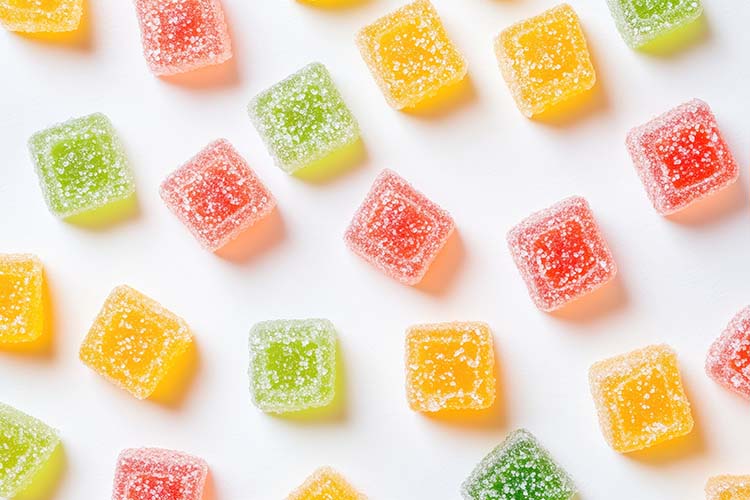
Though health and sustainability are on top of most corporate minds globally, the Asian-Pacific consumer base is homing in on texture food trends in 2026. These foodies are coveting more chewy, springy and bouncy textures across all food segments. Confection is not candy unless it is chewy. Mochi is not a dessert without the spring. Chewy textures rely on food starches and gums. However, there are other sustainable solutions available like Citri-Fi citrus fiber. The fiber binds the water to aid in the springy texture. Or this sustainable citrus fiber can be used to dust the outside of chewy items to prevent sticking if it is a gummy-like product.
On the other hand, consumers are also favoring regional expression by returning to their roots. Again, this is a common global food trend slated for 2026. Consumers are cooking up regional fermented pastes that are like the DNA backbone to villages and towns. Many times, these pastes use expensive and/or limited available ingredients. By using natural food ingredients like Citri-Fi citrus fiber, pastes can be extended while still preserving the targeted flavor and natural texture.
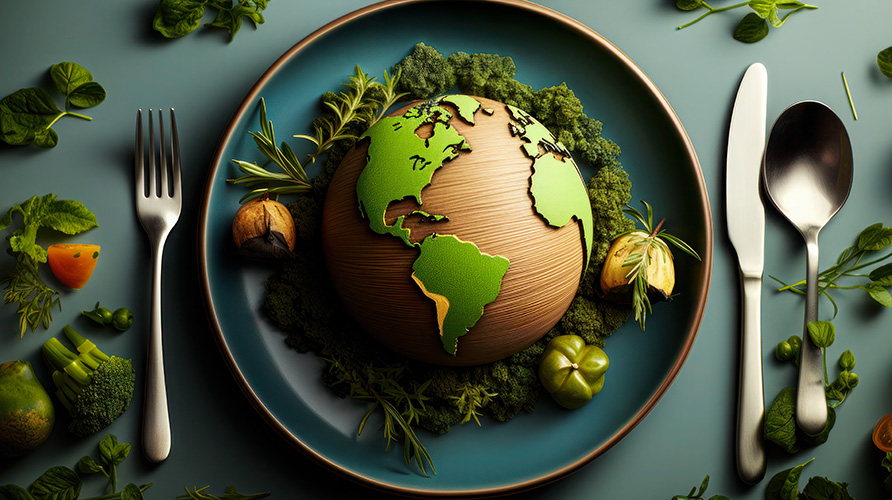
The world is full of a diverse population. However, at the end of the day, many global food trends in 2026 highlight what matters most in peoples’ minds and hearts. Health, heritage and home are the commonalities that connect each one of us. Whether it is improving overall wellbeing, preserving tradition or caring for our home (the planet), formulating with citrus fiber is an efficient and effective solution.
For more information about how Citri-Fi citrus fiber can improve your food formulation goals, please contact us.