

Email Us info@fiberstar.net
Call Us +1 (715) 425-7550
ultra-processed foods, eco-friendly ingredients, circular economy ingredients, efficient food ingredient, upcycled, sustainable, organic, non-gmo, Nutri-Score

Ultra-processed Foods: A Shift to Natural

The latest buzz puts ultra-processed foods in the spotlight. How can product developers create more natural foods with cleaner labels? One solution points to citrus fiber. This upcycled ingredient provides water-holding and emulsion stability which improves the texture, stability and nutrition of a variety of food and beverages in addition to cleaning up the food labels.

Walk the grocery store aisle and notice the kaleidoscope of colors lining the shelves. Those colors represent different food or beverage brands luring you in. Call it what you want, designer foods, industrial foods or factory processed foods. However, the buzzword circulating today points to ultra-processed foods which when shortened to UPFs rolls off the tongue easier. The current consumer barometer for these UPFs dropped. Thanks to a convergence of shifting dietary guidelines, GLP-1 diets and a growing demand for clean label, consumers are scrutinizing food labeling more than ever. But what is an ultra-processed food and why are UPFs under the watch glass today?

What is an Ultra-Processed Food?

No legal definition exists for ultra-processed foods. However, guidelines do exist. Some circles view UPFs as foods produced on mass scale which contain additives and/or cheap ingredients that are absent from a traditional kitchen pantry. UPF labels tend to list between five to 50 food ingredients. And these industrial formulations contain ingredients like emulsifiers, thickeners, gums, flavorings, coloring agents, modified sugars and sweeteners, industrial oils and fats.

UPFs come with pros and cons. On a positive note, their formulation allows for a long shelf-life so they can be shipped globally without spoiling or staling. Another upside is the convenience factor. Consumers can spend less time in the kitchen cooking which is a game changer for families or chef wannabes.

On the flip side, UPFs are scientifically designed to taste so good! They contain the perfect high levels of sugar, salt and fat the body craves. As a result, self control is difficult which leads to overeating, weight gain and other diseases. At the same time, they provide little satiety due to the lack of dietary fiber. Many nutritionists claim that UPFs contain empty calories. In other words, they lack whole foods that typically contain dietary fiber, healthy oils and natural sources of vitamins and nutrients. Because ultra-processed foods do not use clean label ingredients and lack all-natural nutrition, consumers tend to think twice before tossing them in the cart.

Product Developers Quandary: UPF or Natural Food?

How do formulators improve foods to minimize UPF status? First off, how do product developers replace chemical emulsifiers and stabilizers but still maintain quality? Natural emulsion stabilizers or clean label food texturants do exist. For example, one overlooked upcycled ingredient with dual functionality is citrus fiber. Citri-Fi® citrus fiber provides high water-holding and emulsion stability in a variety of food and beverages. In many cases, citrus fiber can replace additives like modified food starches, emulsifiers and/or food gums while maintaining texture and stability.

But can clean-label alternatives withstand industrial machinery used to make UPFs? This depends on the clean label ingredient and the process. For instance, Citri-Fi citrus fiber can be used in variety of industrial processes in place of ingredients like starches and emulsifiers. Because citrus fiber needs hydration to become fully functional, there may be some recommended modifications to the food processing. However, in the end, citrus fiber's natural benefits pleasantly surprise product developers.

Is Citrus Fiber Considered Ultra-processed?

Citrus fiber is not ultra-processed. However, not all citrus fibers are created the same. Citri-Fi citrus fiber is produced from byproduct of the citrus juicing industry. This upcycled ingredient uses a chemical-free process which opens up the fiber to create high surface area. This expanded area allows water and oil to bind. Other citrus fibers originate from byproducts of the pectin extraction process which may use chemicals or solvents. And because of the gentle Citri-Fi process, the citrus fiber contains intact native pectin which aids in high functionality. Labeling options include citrus fiber, dried citrus pulp or citrus flour which all resonate well in the clean label and natural markets.

Due to the high functionality, Citri-Fi may be used to replace a variety of additives to clean up labels. The other power of citrus fiber improves the nutritional profile of foods. For example, citrus fiber is a plant-based fat replacer which helps in reducing fat content in baked goods and dairy-based products. This upcycled citrus peel fiber also can replace additives like phosphates in processed meats, gellan gum in plant milks and modified starches in sauces to improve the labeling. A strategy like this can possibly make food less ultra-processed and closer to minimally processed or natural. For example, product developers can create more natural products using citrus fiber and confirm it with rating systems like Yuka or Nutri-Score.

In addition to being an eco-friendly and circular economy ingredient, citrus fiber is highly efficient. At low usage levels (<1%), this natural food ingredient delivers the dual functionality. Many food ingredients need to be used at much higher levels to achieve the same functionality. Due to the low usage levels, depending on the food application, citrus fiber provides significant cost-in-use savings.

Other Natural Benefits of Citrus Fiber

Citri-Fi not only provides functional benefits, but it also contributes dietary fiber. Though the low usage level cannot make standalone fiber claims, Citri-Fi can be used with other dietary fibers to make a claim. This citrus fiber is non-GMO project certified and now Fiberstar offers a certified organic citrus fiber line - Citri-Fi 400 series. Other benefits include e-number free which Europe prefers, gluten-free and allergen-free.

For more information, please contact us.
Read more →

eco-friendly, grain-free, healthy dog biscuits, holistic pet food, human-grade, hypoallergenic, ingredient-centric, limited ingredient, natural, organic, plant-based, raw diet, refrigerated dog food, sustainable, vegan, kibble, dry pet food, semi-moist treats, injection molded dog bones, dog biscuits, canned pet food, wet pet food, pet food toppers, citrus fiber, citrus peel, citrus fibre, citrus powder, citrus fiber powder

Limited Ingredient Dog Food: Citrus Fiber to the Rescue

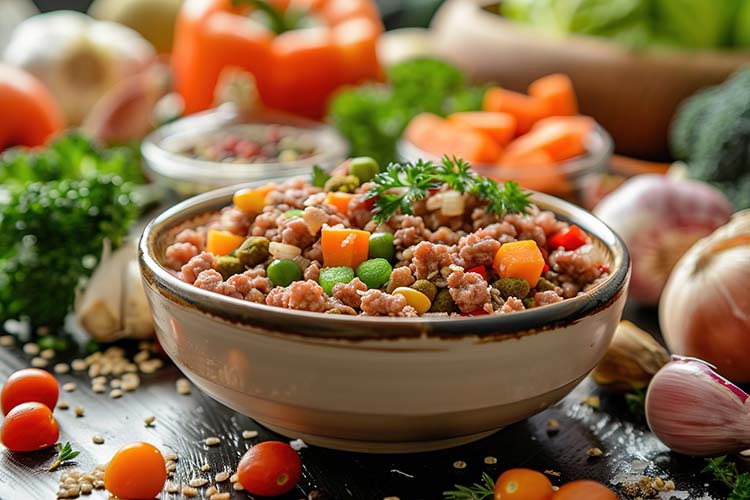
Limited ingredient dog food is tailored to consumers seeking clean label pet foods. However, formulating less than 10 pet ingredients poses formulation challenges affecting the label, texture and quality. Citri-Fi® citrus fiber, with water binding and emulsification properties, is a natural pet food ingredient with thickening and stabilizing power. At low usage levels (<1%), citrus fiber can improve the label, stability, and texture of a variety of dog foods.

Raise your hand if you have caught your family dog lick road kill or drag a lifeless squirrel to your feet. Any time these distasteful moments occur, I remind myself, this is what separates human from canine. Yes, this is coming from someone who dresses her dog in raincoats or books her fur baby a spa at the local groomer. Despite their “call of the wild” behaviors, we still love our dogs. And we would give the shirt off our back to make sure our dogs are happy and healthy which includes feeding them the best dog food and dog treats. Today, healthy dog food means natural, sustainable and personalized. This clean diet trend gave rise to limited ingredient dog food.

What is a Limited Ingredient Dog Food?

This type of formulation is specialized created using a minimal number of simple pet food ingredients. Diets like these reduces a dog’s exposure to potential allergens. Formulas typically contain four to 10 main pet ingredients. For instance, the limited recipes include one single animal protein and one single carbohydrate. Because some traditional animal protein sources tend to be allergenic, pet food developers incorporate novel proteins. Examples include kangaroo or bison. These are proteins typically not consumed by dogs previously. Moreover, these limited ingredient dog recipes do not contain common fillers like corn, wheat, soy, dairy, or eggs.

Creating a limited ingredient dog food comes with challenges. Some of these issues affect the labeling, texture and quality over shelf life. Since these pet products typically use clean and non-allergenic food ingredients, there are very few alternatives available.

Clean Label Dog Food

Limited ingredient dog foods tend to veer away from stabilizers like food gums and starches. Without these pet food binders, foods lack viscosity and/or leach water over shelf-life. Many pet food types need pet food thickeners and pet food texture enhancers to maintain quality. At the same time, these pet ingredients need to be multi-functional to meet the limited ingredient recipe requirements.

Citri-Fi citrus fiber, which is a byproduct of the citrus juicing process, provides the water holding and emulsification properties needed in pet foods like semi-moist, canned or wet and fresh raw pet food. Depending on the usage level, citrus fiber adds thickness while improving the stability of the dog food. Labeling options include citrus fiber, dried citrus pulp or citrus flour which resonate well in the natural markets.

Alternative Pet Food Binders and Dog Food Emulsifiers

Since these limited ingredient dog foods shy away from allergens, traditional binders like wheat gluten is not an option. Without binders, foods like kibble break easily into fines especially during shipping and handling. Very few non-allergenic binders exist on the market. Citri-Fi citrus fiber is a non-allergenic binder solution. At low usage levels (<1%), this citrus fiber has shown to strengthen biscuits and also injection-molded dog bones minimizing crumbling and breakage.

In canned or wet dog foods like pâté or stews, common thickeners are used to prevent fat and protein separation. Without the use of starches or food gums like carrageenan, water and fat purge out. Citri-Fi citrus fiber binds the water and emulsifies to improve limited ingredient dog foods. For instance, the citrus fiber reinforces the firm pet loaf shape. And this natural pet ingredient creates a stable flowable gravy.

Limited Ingredient Dog Foods – High Meat Usage or Grain-free

Some formulations use a high level of meat. As a result, these dog foods contain more fat and moisture which may overtax food starch’s binding capabilities. For example, kibble becomes greasy and crumbly when fat purges from the matrix. Pet ingredients, like citrus fiber, may aid in binding the extra fat and water from high protein pet recipes. At the same time, citrus fiber can be used along with starches to improve the texture, stability and nutrition of a variety of high meat formulations.

Another dog food type involves removing grain from the pet recipe. Grain-free pet foods need specialized binders to reinforce the protein structure of limited ingredient pet foods. Citri-Fi citrus fiber, at low usage levels (<1%), can aid in binding water and emulsifying fats to improve the pet food texture. This pet food emulsifier uses its native intact pectin to bind the water and fat.

The Future of Limited Ingredient Foods

Currently, formulators manually cobble together recipes satisfying the four to 10 ingredient scope. However, in the future, creating pet food recipes will require pet food developers to consider other factors. For example, pet food companies are investing heavily in new technologies focusing on personalized dog nutrition. Latest innovations emerging include microbiome research, 3D printing and AI driven weight screening.

Eco-friendly and upcycling trends are driving pet food formulators to seek out sustainable proteins. New technologies unfolding in this arena are creating new hypoallergenic alternatives. Development strategies use precision fermentation, cultivated (lab grown) meats and insect protein to create a better limited ingredient dog food.

In the end, consumers still demand clean and transparent foods. This humanization trend continues to focus on ingredient traceability, upcycled pet ingredients and minimal processing. Citri-Fi, an upcycled citrus fiber, checks all those boxes. This citrus fiber’s efficient dual functionality should be in all pet food formulator tool boxes. It is ideal for pet foods and pet treats. Citri-Fi is non-allergenic, non-GMO project certified and has no e-number. The Citri-Fi 400 series is USDA and Europe organic certified.

For more information, please contact us.

Read more →