Email Us info@fiberstar.net
Call Us +1 (715) 425-7550
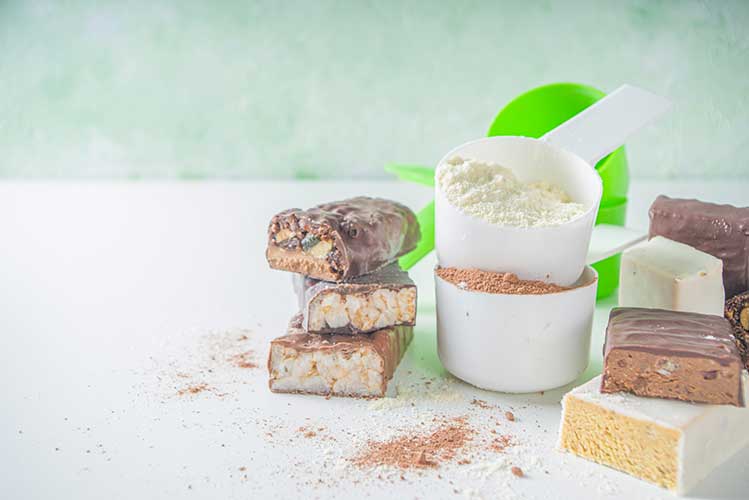
Citri-Fi Citrus Fiber at SupplySide West Show - nutrition bars, gummies, tablets, beverages

Natural Food Ingredients Nabbed the Show at SSW

The SupplySide West show, which rebranded into SupplySide Global, significantly grew in size again this year due to the influx of international suppliers. The mainstream trend continued to revolve around pure, holistic and natural food ingredients. Companies differentiated their products by health platforms, regulatory status, and sourcing (local vs. overseas). Other claims that emerged in the show included women-owned, sustainability and upcycling.

The SupplySide West show, which started its life as a supplement expo, significantly grew in size again this year. For over a decade now, I have trucked around the show floor, looking for the latest and greatest in natural food ingredient technologies. Before, I wandered around with chunk heels cursing the traditional business attire expectations. Today, I traded my pumps in for dressy sneakers to help me reach the finish line which was beyond aisle 8100! After circulating around the show floor, I captured some insight that is worth a share.

Mainstream: Pure, Holistic and Natural Food Ingredients

With the spotlight on ultra-processed and pathogenic-free foods, it is no wonder that consumers are demanding safer and more nutritious products. They are label reading more than ever today which is causing food and supplement manufacturers to reassess their own products’ ingredients. As a result, many ingredient suppliers at the show touted their natural and minimally processed status. Some of the common claims included organic certified, committed to nature and clean label. With this in mind, it was a slam dunk to promote citrus fiber at the show.

Fiberstar, Inc. exhibited at SupplySide West pitching Citri-Fi® citrus fiber. This natural food ingredient checks all the boxes when it comes to clean label and the natural origin. Citri-Fi is byproduct of the citrus juicing industry which uses a process free from chemical modifications. Because of this, the fibrous composition, including the high concentration of native pectin, stays intact giving it high water holding power and emulsification properties. As a result, this natural food ingredient improves the texture, stability and nutrition of a variety of food, beverage and supplements.

At low usage level (<1%), this upcycled citrus fiber improves foods such as beverages, dairy products, nutrition bars, dry blends, baked goods and gummies. Because of the multi-functionality, Citri-Fi can extend and/or replace other hydrocolloids like starches, food gums and other plant-based fibers. Though there are several citrus fibers to choose from in the market, Citri-Fi is unique because it is not a byproduct of the pectin extraction process which typically uses chemical modifications or solvents. Citri-Fi is as close as its roots in nature which makes this ingredient a true all-natural option.

Health Platforms: Magnified and Multiplied

Selling natural food ingredients via health platforms is still prominent. This year, digestive health topped the charts during my walkabout. Numerous companies showcased ingredients such as prebiotics, probiotics, symbiotics and postbiotics. Other prominent platforms included immune, bone, weight management, cognitive and heart. On the other hand, a few new platforms grew in presence which involved sleep, stress-free, aging, skin, hair, anti-allergy, oral, liver, diabetes, joint, men’s and now women’s health (especially menopause-related).

Geographic Dichotomy: Local versus Overseas

Despite US-based consumers clamoring for local and made-in-the-USA food products, the show proved international trade was alive and thriving. From observation, the show’s growth looked like it was attributed to new small ingredient suppliers primarily from Asia. These businesses were littered amongst the large multi-national distrubutors. And unlike the large company booths, many of these smaller booths lacked the luster. In many cases, it was challenging to understand their point of difference when a booth two doors down sold the same ingredients. Are natural food ingredients, which were once considered value-added, commoditizing with the plethora of oversea players?

Regardless of the international offerings on the show floor, companies who saw value in USA made highlighted this as a competitive advantage. Some of the words included domestic supply, USA origin and locally made. As the influx of ingredient suppliers grow each year, natural food ingredient companies will need to innovate to strengthen their competitive advantage in the marketplace. Otherwise, they will find themselves competing on price which can paralyze profit margins.

Over the years, Fiberstar strived to be ahead in citrus fiber innovation. Selling a sustainable and upcycled citrus fiber was just the beginning.  The company created varying particle sizes, co-processed blends, higher viscosity versions and certified organic SKUs which set Fiberstar apart from other suppliers. In addition, the company continues to offer a domestic citrus fiber using a stable and reliable supply chain.

New Emerging Trend: Women-owned Businesses

Another trend springing up includes businesses highlighting their women-owned status. During COVID, many women-owned businesses closed their doors for various reasons. However, post pandemic, these business types returned in full force driving the economic recovery. Their popularity soared in many markets including the food and beverage industry. Claiming women-owned gives some companies an edge to win over customers and generate new sales.

Other Moderate Buzz for the Field

Besides the hot ticket items mentioned, some companies pitched other points of difference such as vegan, non-GMO, and better-for-you. The nature of the show and immensity in size should have been busting with environmental messaging. However, after perusing the signage, I was surprised to see a small number of players promoting sustainability and upcycling. Despite the growing awareness, this universal topic will continue to be at the center stage for years to come. Companies embracing this now will be favorably positioned in the future.

Fiberstar’s upcycled citrus fiber continues to attract food manufacturers due to its green story and clean labeling. Labeling options include citrus fiber, dried citrus pulp or citrus flour which resonate well in the natural markets. Because of the company’s deep rooted knowledge in repurposing plant-based fibers, the company will continue to exploit its expertise creating new products to serve the unmet market needs.

For more information about Fiberstar’s citrus fiber innovation, please contact us.

Read more →

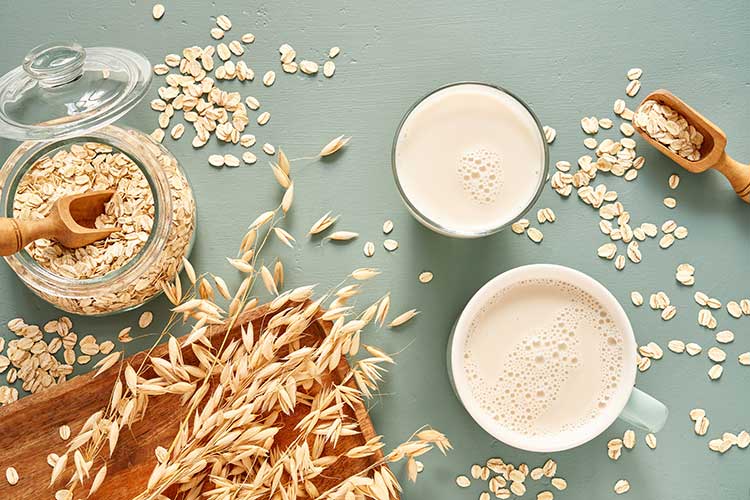
Plant-based Milks - Citri-Fi Citrus Fiber Stability, Clean Label, Natural Creamy Mouthfeel

Citrus Fiber in Oat Milk: Clean & Sustainable

The plant-based milk category is no stranger to consumers’ environmental and health concerns. Because of this, the market stirred up the need for more clean label ingredient options. One natural solution includes using Citri-Fi® citrus fiber in oat milk due to it water holding and emulsification benefits. Not only is this citrus fiber created using a process free from chemical modifications, but it also provides product developers clean labeling options.

A popular meme showing a coffee sipper ordering a sugar-free, fat-free, dairy-free and water-free drink is handed a cup of “air” emphasizes consumers’ desire for extreme customization. But this comical anecdote is not too far from the truth. Coffee shops jumped on the customization bandwagon years ago. Today, they personalize each disposable cup with a Customer’s name and fill it with tailored contents. Because of this customization, foods like plant-based milks found a home in the baristas arsenal of coffee condiments. Among these plant-based options emerged oat milk.

The Oat Milk Enthusiasm in Words

Oat milk started its craze in the coffee shop scene. But it was not long before it entered the mainstream beverage world alongside the market leader - almond milk. The oat-based beverage’s sudden appearance created a ripple of curiosity amongst consumers. And with early adoption and newness comes the questions. It was no surprise that Fiberstar’s SEO radar picked up numerous internet inquiries wrapped around this new oat milk phenomena.

Some typical queries included: What is oat milk? Is oat milk sustainable? Is oat milk clean? Many of these questions share an underlying common theme that pertains to consumers environmental and health concerns. However, if one dives deeper, some of the inquiries become highly specific such as: Is oat milk high in fiber? Does oat milk contain beta-glucan? Why is gellan used in oat milk? And one of the more fascinating questions that surfaced was what is citrus fiber in oat milk?

Challenges in Processing Plant-based Milks

Like many plant-based milks, oat milk processing comes with its own set of hurdles. Creating oat milk requires breaking the oat grain apart into pieces and converting it into a smooth drinkable liquid. After processing the oat, the liquid fraction typically contains remaining plant-based materials that tend to settle out during shelf-life in a finished beverage. Because of this, commercial emulsifiers and stabilizers are commonly used to keep the particulates in suspension. One popular stabilizer used in this product type is gellan gum.

Thanks to consumers’ growing conscience, food labeling plays an active role in oat milk’s existence. Though gellan gum is a holy grail ingredient when it comes to functionality, it is being associated with ultra-processed foods. As a result, formulators are searching for clean alternatives. But, what is considered clean label in the oat milk world? This curiosity explains why internet inquiries are revolving around citrus fiber in oat milk.

Compare and Contrast Citrus Fibers

Most citrus fibers are created from byproduct which supports the industry’s upcycling efforts. And they all share the clean labeling options such as citrus fiber, dried citrus pulp or citrus flour. However, not all upcycled citrus fibers are created the same. For instance, many citrus fibers are byproduct of pectin extraction. Typically, these processes use chemical modifications or solvents. And because of these type of processes, the final citrus fiber tends to have limited functionality in food and beverages.

In contrast, there are other citrus fibers that are byproducts of the citrus juicing industry. For example, Citri-Fi citrus fiber is an upcycled food ingredient that uses a process free of chemical modifications. As a result, the fibrous composition stays intact, including the high pectin content, which gives it its high water holding and emulsification power. And when Citri-Fi is exposed to high shear such as homogenization, the fibrous composition adds viscosity which is another key benefit in oat milks.

Citrus Fiber in Oat Milk

Due to the natural water holding and emulsification, oat milk developers are exploring this food ingredient as a clean label option. Citri-Fi citrus fiber, between 0.1% and 1%, can create smooth and stable oat milks without the use of additional food gums like gellan gum. The clean labeling implies dietary fiber which enriches the nutritional profile of plant milks. Citri-Fi is heat and shear stable so that its dual functionality is not only maintained, but depending on the shear effects, enhanced.

In addition to the functional and labeling benefits, Citri-Fi citrus fiber is also available in certified organic. This natural food ingredient has no e-number. And it is non-GMO project certified, allergen-free and gluten-free.

Other Uses of Oats

Besides plant-based milks, the use of oats branched out into other food products including yogurts, frozen desserts, spreads and creamers. The popularity as a coffee creamer stems from its ability to froth easier, mellow out acidic notes and create a rich and creamy mouthfeel. However, some of these same benefits improve the quality of other food and beverage formats. And like citrus fiber in oat milk, Citri-Fi’s water holding and emulsification can improve the stability of yogurts, minimize ice crystallization in frozen desserts and reduce syneresis in spreads.

Now that these plant-based categories welcomed the newcomer, many product developers are creating second generation products focusing on protein enrichment, flavor assortment and sugar reduction. Other trends tilt toward portability and convenience. Regardless, oat milk is here to stay due to its low environmental impact and health benefits which tells a eco-friendly and sustainable story.

Read more →

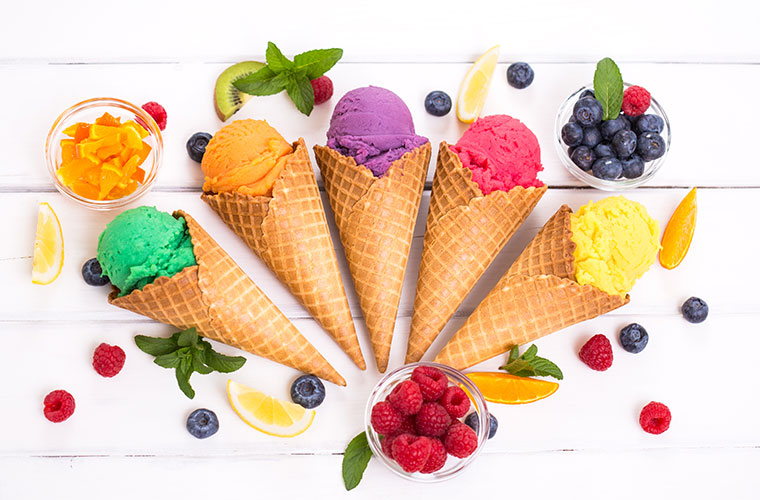
Frozen Foods: Ice Cream, Frozen Meals, Sorbets: Citri-Fi Citrus Fiber Binds Water, Freeze/thaw Stability and Reduces Ice Crystal Formation

Frozen Desserts: Smoothing Out the Texture

Frozen desserts, like ice cream, tend to fall victim of ice crystals during handling and storage due to temperature fluctuations. Stabilizers bind the water, however, they have their own limitations. Citri-Fi® citrus fiber, when used at less that 1%, minimizes the ice crystals to create a smooth texture while cleaning up food labels.

It is one of the many nostalgic memories that many Earth dwellers have had since childhood – eating ice cream. And if you reside in the USA, you most likely recall the infamous Baskin-Robbins 31 Flavors ice cream shop. This frozen dessert joint sold a flavor for every day of the month. But ironically, many lickers defaulted to their favorite flavor or flavors if given the choice. Today, ice cream not only comes in different flavors but also bases too. Originally, milk was the starting base. However, frozen desserts now can be churned using plant-based milks like oat, almond, coconut and cashew.

The Scoop on Ice Cream Challenges

Making ice cream appears effortless as long as one has an ice cream maker. But when produced on a large scale and distributed across miles of land, frozen desserts are subjected to fluctuating temperatures or heat shock. As a result, ice crystals tend to grow reducing the smooth and creamy texture. Many factors play into preventing water migration during handling and storage including the formulation components, fat level, total solids and overrun.

Ice cream producers rely on stabilizers to bind the water during the quick freeze to minimize ice crystals. The water remains bound during temperature changes preventing ice crystals from forming. However, stabilizers like locust bean gum and guar gum have their limitations. For instance, ice cream stabilizers may be optimal for milk-based ice creams, but they may fall short in dairy-free formats. Many plant-based frozen desserts tend to have a short shelf-life. The longer the time in freezer storage increases the risk of a gummy and chewy texture when using foods gums. Moreover, many food gums fall suspect when found on food labels.

Clean, Smooth and Creamy Ice Cream

One natural solution available includes citrus fiber which locks up the water to create the silky texture. Citri-Fi citrus fiber is produced from byproduct of the citrus juicing industry. This natural food ingredient uses a process free from chemical modifications unlike similar ingredients in the marketplace. At the same time, not all citrus fibers are created the same. Others are byproduct of the pectin extraction which typically use solvents and other chemicals to isolate the fiber. Because of this process, some of these byproducts lack the functionality due to the low levels of intact pectin. As a result, some producers add the pectin back in to enhance the functionality. Alternatively, Citri-Fi citrus fiber is wholistic and contains native intact pectin like Mother Nature intended.

At less than 1% usage level, Citri-Fi provides the water holding and emulsification properties needed to prevent ice crystals from forming over time. Citri-Fi citrus fiber improves the texture, stability and nutrition of both animal-based dairy and plant-based dairy desserts. For example, this citrus fiber works in a variety of non-dairy bases such as almond, oat, rice and coconut plant milks.

In addition to the texture improvement, the Citri-Fi citrus fiber line also cleans up frozen dessert food labeling. This is key in both animal and plant-based ice cream markets. Many brands are going back to ice cream basics listing less than five ingredients. And clean label continues to be a hot trend in plant-based foods including non-dairy desserts. Citri-Fi’s labeling options include citrus fiber, dried citrus pulp or citrus flour which resonate well in the clean label markets. Also, the USDA certified organic Citri-Fi 400 series is now available.

For more information about using citrus fiber in frozen desserts, please contact Fiberstar.

Read more →

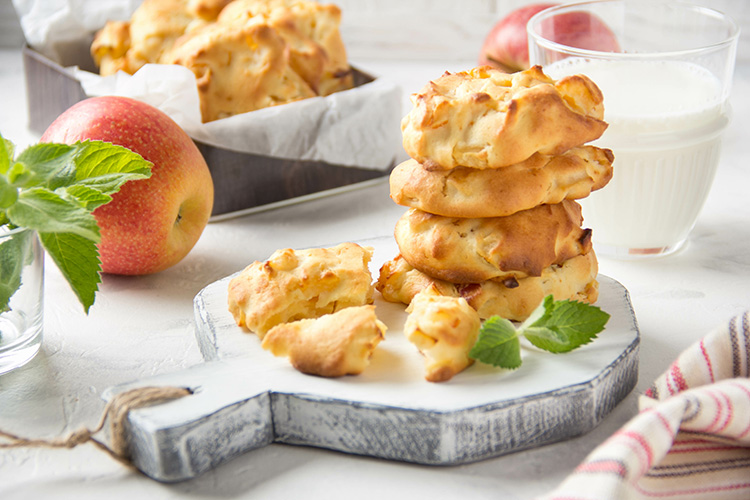
Bakery Foods: Citri-Fi Citrus Fiber Improves Moisture Retention, Emulsification and Freshness also Gluten-free - Bread, Cookies, Muffins, Cakes

“C is for Cookie” as in Soft-baked Cookies

The bakery world offers a variety of cookies including the soft-baked cookie type. Despite the cookie description, baking these soft morsels come with hard formulation challenges. Some market offerings soften the texture but they all have their own caveats – tooth pack, darkening, microbial risk and questionable labeling. However, another option is citrus fiber. Citri-Fi® citrus fiber binds the water and oil which softens the texture over time while supporting a clean and natural food label.

“C is for cookie and that’s good enough for me.” These satirical words stem from the iconic Cookie Monster. Though he originated in the USA, this monochromatic blue puppet is recognized all around the kiddie world preaching the good word about cookies! These delicious, sweet morsels come in a variety of flavors, shapes and sizes. They are available with candied toppings, filled with sweetness, enrobed with chocolate or come in different textures. One popular bakery format hot out of the oven includes soft-baked cookies.

Soft-baked Cookie Challenges Bakers Face

Baking soft cookies comes with an array of challenges. Bakers are fighting physics constantly including water migration. If water remains unbound, it tends to seep from the food and free itself into the air. As a result, cookies lose their moisture turning into hard hockey pucks over time. If too much water is left in the cookie, then it becomes a live petri plate inviting microbials to feast also shortening the shelf-life. And even if the water is locked up, bakers risk tooth packing from the chewy matrix. Adjusting the soft-based cookie formulation to avoid these pitfalls also requires a label consideration. Today, consumers tend to seek out food labels that are more natural and cleaner.

For these reasons, bakers tap their toolboxes for potential solutions. Sweeteners like molasses and other sugar syrups are used to help soften the texture. At the same time, these natural food ingredients tend to cause a darkening effect impacting the sweetness and color. And too much sweetener runs the risk of causing tooth packing.

Food starches and food gums are another option to help soften the baked good texture. However, incorporating these ingredients incorrectly leads to gumminess. And depending on the hydrocolloid, some fall suspect to consumers due to their ingredient labeling.

Lastly, some bakers produce only organic bakery products. Because of this, they seek out certified organic ingredients such as flour, eggs and sugar. Many texturizers used to soften cookies may not have organic status. And depending on the region, most of these food ingredients are designated an E-number which is purposely avoided when formulating natural soft-baked cookies in regions like Europe.

Citrus Fiber – Improving Soft-baked Cookie Texture

The market offers another solution to aid in softening and extending shelf-life - Citri-Fi citrus fiber. This natural upcycled ingredient is produced from byproduct of the citrus juicing industry. Unlike other similar ingredients in the market, the process used is free from chemical modifications. Citri-Fi's fibrous matrix binds water and oil. As a result, in soft-baked cookies, the texture retains the softness post-bake and over time on the shelf.

Citrus fiber’s moisture retention is its signature benefit which also streams across other baked good categories including gluten-free baking. Citri-Fi, at 0.5% to 1% usage, is typically added to the dry mix such as flour, sugar and salt. And when hydrated, the ingredient activates locking in the water. The batter remains cohesive and non-sticky helping to reduce the loss during handling. During the baking process, the soft-baked cookies maintain their shape without significant spread. And the cookies remain soft and chewy over time.

Citri-Fi is non-allergenic, gluten-free and non-GMO Project Certified. This natural food ingredient has no E-number. Now, Fiberstar offers USDA certified organic citrus fiber - Citri-Fi 400 series. Labeling options include citrus fiber, dried citrus pulp or citrus flour which resonate well in the natural and clean label markets.

Please contact us for more information about using citrus fiber to improve the texture in soft-baked cookie and other types of baked goods.

Read more →

Citri-Fi Citrus Fiber Water Holding, Natural Emulsifier, Upcycled, Sustainable, Gelling Properties - Clean Label- Organic

Clean Label Food & Beverage: 2023 Top Searches

Citri-Fi® citrus fiber is an upcycled environmentally friendly food ingredient. From raw material to the finished product, this fiber remains intact and natural as Mother nature intended. Because of this food ingredient, Citri-Fi improves the health, texture and quality over shelf-life in a variety of food and beverages. According to the top keyword searches around citrus fiber, there are four hot clean label food categories ranging from bakery to meat substitutes.

Food trends come and go, however, clean label is here to stay. Although clean label suggests just that, the definition is highly subjective and carries a myriad of meanings. To some this term implies familiarity, naturalness and simplicity. And to others it refers to sustainable and environmentally friendly. Regardless of the clean label food definition, this movement has affected most food and beverage categories to some degree.

Citri-Fi Citrus Fiber  - Clean Label Food & Beverages

Citri-Fi is produced from byproduct of the citrus juicing industry. The clean process, which is free from chemical modifications, is one piece of the green story. Citri-Fi is one of few citrus fibers that uses a process that only contains water and heat to produce this natural ingredient. Other citrus fibers on the market are byproduct of pectin extraction which typically uses solvents and other chemicals in the process. In extraction, the process strips away the native intact pectin which adversely affects the citrus fiber. Some citrus fiber suppliers add the pectin back in to gain additional functionality. Citri-Fi's clean process keeps citrus fiber how Mother Nature intended – full of native intact pectin.

Citri-Fi contributes fiber to various food products which complements other fibers when making fiber claims. In addition to its healthy halo, this natural ingredient’s water holding and emulsification stabilization aids in improving Nutri-Scores - a nutrition label and nutritional labeling system.

In addition to the sustainable procurement, clean process and healthy food applications, Citri-Fi is a clean label ingredient. Labeling options include citrus fiber, dried citrus pulp and citrus flour which resonate well in the clean label markets. Because of this, Citri-Fi is an ideal natural food ingredient to create clean label food.

In 2023, six food categories came up in the Fiberstar keyword search analytics for clean label because of Citri-Fi citrus fiber's natural status. Below provides some insight into the hottest clean label food trends.

(1) Baked Goods – Clean Label Bakery Solutions

Today, bakers are returning back to basics in other words clean label baking formulas. This trend affects a variety of baked goods including (on order of prevalence) bakery fillings, pastry and pastry creams, snacks, bread, tortilla, bakery mixes and cakes. Bakers seek cleaner alternatives to emulsifiers, food gums, modified starches and other stabilizers. Citri-Fi citrus fiber is an ideal fit. At less than 1% usage, this natural ingredient can replace emulsifiers and other hydrocolloids depending on the bakery application to create clean bakery products.

(2) Clean Label Pet Food

Pet owners treat companion animals as their beloved children today also known as the pet humanization trend. As consumers become more cognizant about what makes up their own food, they practice the same diligence with their furry friends' meals. Because of this, consumers peruse label friendly options for both dog food and cat food.

Citri-Fi citrus fiber can be used to create clean label pet food. At less than 1% usage, this natural ingredient reduces breakage in biscuits, improves the tenderness in semi-moist treats and replaces stabilizers in canned or wet pet food.

(3) Dressing, Sauces, Dips and Spreads

This food category is a hot spot for clean label formulations. Many products include (in order of prevalence) mayonnaise, dressings, dips, sauces, jams, culinary pastes and nut butters. Though regular mayonnaise is clean since it contains only three pantry ingredients, other permutations such as flavored, reduced egg or egg-free mayonnaise spreads use stabilizers and other hydrocolloids to improve the texture and shelf-life. Citri-Fi, at less than 1% usage, can replace eggs or extend eggs while maintaining a stable emulsion due to its native intact pectin composition.

In dressings, dips and sauces, this natural citrus fiber’s dual functionality – water holding and emulsification – creates smooth stable textures over time. Again, Citri-Fi can create clean label food by replacing stabilizing hydrocolloids. In jams, Citri-Fi can be used to replace added pectin when used in low pH and high Brix conditions. And in culinary pastes and butters, Citri-Fi can create stable emulsions as long some water is present in the system.

(4) Clean Label Meat Substitutes

The meat alternative category continues to thrive with new product launches. Initially, perfecting the texture and flavor were typical goals. However, now, product developers focus on ingredients and labeling in addition to the texture. Many of the 1.0 versions of meat substitutes produced long labels containing unfamiliar food ingredients. Today, product developers are creating clean label foods that are animal-free including (in order of prevalence) plant-based beef, plant-based chicken, plant-based fish, plant-based pork and plant-based burger patties.

The Citri-Fi portfolio contains citrus fibers with varying particle sizes. Although they contribute fiber and aid in reducing saturated fats in meat alternatives, they also improve the quality. For instance, the Citri-Fi 100 series at less than 1% usage, is used in meat analogs to bind oil and water. As a result, plant-based meats retain their juiciness and succulence. The Citri-Fi TX creates a meat-like and firm texture when used at 2-4%

Other Clean Label Foods

Other hot clean label foods sought out include dairy products like yogurt. Citri-Fi citrus fiber at less than 1% usage controls syneresis to create thick, smooth and creamy textures. In frozen foods, Citri-Fi binds water to minimize crystallization in ice cream, create enhanced sauce textures in frozen meals and provides freeze/thaw stability in a variety of appetizers.

Regardless of the category, Citri-Fi citrus fiber helps formulators improve the nutrition, quality and texture of clean label foods. This natural citrus fiber is non-GMO, allergen-free and gluten-free. It contains no e-number which is relevant to regions like Europe. And now, USDA certified organic is offered.

For more information about Citri-Fi citrus fiber and the latest innovations, please contact us.

(Source: Google Analytics G4, 2023)

Read more →

Citri-Fi Citrus Fiber Water Holding, Natural Emulsifier, Upcycled, Sustainable, Gelling Properties - Sustainability - Eco-friendly - Upcycled

Top 5 Facts about Citri-Fi® Upcycled Citrus Fiber

For the past 20 years, Fiberstar has been the original pioneer of upcycled citrus fibers which originate from the citrus juicing industry. This superior citrus fiber provides water holding, emulsification and added viscosity which are not equal to other citrus fibers on the market. Citri-Fi® is produced using a clean process free from chemical modifications which supports a clean label. Not only does this citrus fiber contribute dietary fiber, but it also provides multiple functionalities that improve the stability, texture and mouthfeel of a variety of food and beverages.

The True Citrus Fiber Pioneers – Fiberstar, Inc.

The Fiberstar team takes pride in being the upcycling citrus fiber forerunners. For over 20 years, Fiberstar’s expertise revolved around creating value-added products from plant-based fibers, specifically citrus-based fibers. This technology evolved years before other food ingredient companies jumped on the bandwagon after noticing the value that citrus fiber brings to the food and beverage market.

The 20-year mastery in citrus fiber technology and dedicated passion built a solid foundation for converting side streams into value-added ingredients. Because of this, Fiberstar produced a line of citrus fibers that fit today’s paradigm – clean label, fiber enhancement, sustainability and cost savings. For instance, Citri-Fi citrus fiber supports a clean label and uses a clean process. The process preserves the fibrous content which contributes fiber to food and beverages. As a result, citrus fiber provides water holding and emulsification which aids in extending pricey foods like tomato paste, egg and animal meats to create cost savings.

After witnessing the value of citrus fiber when the clean label and upcycled trends surfaced, other ingredient suppliers followed suit by adding a citrus fiber to their portfolios. In the end, the industry recognizes Fiberstar as one of the first to put citrus fiber on the map in the food ingredient world.

Citrus Fibers are not Created Equal

Today, the market offers several citrus fibers. However, not all citrus fibers are created the same. Citri-Fi originates from byproduct of the citrus juicing industry. This upcycled citrus fiber’s highly efficient process is free of chemical modifications and solvents which keeps native pectin intact how Mother Nature intended. Thus, the intact pectin creates the superior functionality – water holding and emulsification. And the neutral flavor allows formulations to use higher levels if needed without flavor impact.

Other citrus fiber suppliers pull from their own pectin extraction which is subjected to solvents and potentially other chemicals. In other words, this process is not free of chemical modifications. The pectin is typically stripped in these processes leaving behind a residual amount which limits its functionality. This negatively affects the citrus fiber’s water holding capacity and emulsification power. Depending on the residual pectin present, some suppliers add pectin back to restore the full functionality which is an added step in the process. Additionally, other processes may not minimize the bitter notes that typically accompany citrus peel. As a result, these citrus fibers are limited to non-sensitive food applications.

Two Decades of Upcycling: Citri-Fi Citrus Fiber

Fiberstar’s technology and business started by creating and selling an upcycled citrus fiber over 20 years ago. This took place years before upcycled or sustainability became center stage topics. Though upcycling began life as a way to recoup dollars from the business decades ago, it was not until now when upcycling entered the limelight. This market asking for a circular economy with minimal environmental impact or zero waste spearheaded this. Fiberstar's upcycling model occurred before its time. And because of this, the company's expertise in upcycling spurred several product launches thru the years solving the market’s toughest formulation challenges. These ranged from oil, fat and egg reduction, plant-based meat textures, consumer friendly labeling and tomato paste extension.

Clean & Natural: The Process to Labeling

Clean label continues to be a hot topic today. However, clean goes beyond just the labeling. This subjective term also relates to how food is grown, harvested and processed. In the citrus fiber world, this equates to how citrus fiber is procured and re-purposed to benefit the market. As mentioned, Citri-Fi is produced from byproduct of the citrus juicing process. The spent fiber is then refined further by using methods free from chemical modifications and solvents. Other citrus fiber producers capture their citrus fiber from pectin extraction which typically uses solvents and other chemical modifications.

Citri-Fi is truly a clean upcycled citrus fiber from processing to the final product. Labeling options include citrus fiber, dried citrus pulp or citrus flour which all resonate well in the natural market. In addition to the clean story, this citrus fiber is non-GMO, allergen-free and contains no E-number. USDA certified organic citrus fiber, Citri-Fi 400, is now available.

Citrus Fiber is Multi-functional and Fiber Enhancing

Because citrus fiber contains the words "fiber", the market assumes that its primary role points to fortifying foods. However, different types of dietary fibers exist in the market. Some fibers fortify foods. And some of these dietary fibers provide prebiotic effects used to improve digestive health. Alternatively, some fibers deliver functional benefits in addition to fiber enrichment. For example, Citri-Fi provides water holding, emulsification and added viscosity.

These multi-functional upcycled citrus fibers, when used less than 1%, improve the stability, texture and nutrition of a variety of food and beverages. For instance, in baked goods Citri-Fi improves moisture retention which enhances the perception of freshness over time. Also, this natural fiber can reduce eggs, oil and/or fat while maintaining the full-fat mouthfeel. In sauces, Citri-Fi creates stability and improves the texture. For example, Citri-Fi extends tomato paste up to 25% while maintaining the natural tomato-like texture. And in plant-based beverages, this upcycled citrus fiber improves the full-body mouthfeel and stability without using other gums and stabilizers. In the end, Citri-Fi is a versatile multi-functional citrus fiber that improves dairy, dressings, processed meats, frozen foods, beverages, dairy alternatives and meat substitutes.

For more information about Citri-Fi citrus fiber or to order a sample please contact us.

Read more →

Meat Alternatives - Citri-Fi Citrus Fiber - Replace Methylcellulose, Meat-like Texture, Juiciness

Formulating Meat Substitutes: Citri-Fi® Portfolio

Meat substitutes require a variety of texturizers, stabilizers and gelling agents to create the meat-like texture, juiciness and binding. Some ingredients fell out of favor due to labeling and some like Citri-Fi® citrus fiber can clean up the label and enhance the quality when formulating meat substitutes.

Formulating meat substitutes has been an on-going challenge for every plant-based food producer. For instance, consumers expect the foods to taste exactly like animal-based products. Without that parity, consumers skip the re-purchase and gravitate back to their beloved fleshy bits. Though meat substitute products come close to their animal counterparts, they still fall short in taste and texture.

To create a meat substitute requires plant-based ingredients. For example, product developers use a protein base in addition to texturizers, stabilizers, and gelling agents. This hodgepodge of ingredients are needed to create the firm meat-like texture, succulence and binding. At the same time, consumers criticize not only the lengthy ingredient decks but the ingredients themselves. As a result, this opens up opportunity for more clean and natural options.

Fiberstar, Inc. offers a portfolio of natural citrus fibers which address the category's requirements. The key citrus fibers include Citri-Fi TX and Citri-Fi 100, 400 (organic) and 600 series. Below are articles and videos that provide guidance when formulating meat substitutes using citrus fiber.


Plant-based Foods Trends: Meat Substitutes are Still Hot

Though the market activity slowed down, developers continue to push out new and/or reformulated meat alternative foods.

BLOG: Natural Products Expo Trends: Plant-based Meat Formulations & Dairy Alternatives


Creating the Meat-like Texture in Plant-based Meats

The meat-like texture is signature to animal-based food products. As a result, meat alternatives need to simulate that firmness and chew. Citri-Fi TX citrus fiber is a large coarse granule that when used between 1 and 4% with a plant-based protein, enhances the meaty chew that consumers expect.

BLOG: Fiberstar, Inc. Launches a New Texturizing Citrus Fiber - Citri-Fi® TX

BLOG: New Meat Alternative Ingredients: Top 5 FAQ About Citri-Fi® TX Citrus Fiber


Formulating Meat Substitutes: Using the Citri-Fi Portfolio

In addition to Citri-Fi TX texturizing citrus fiber, Fiberstar also offers the Citri-Fi 100, 400 and 600 series. The 100 series is the flagship citrus fiber that provides both water holding and emulsification at less than 2% usage. The citrus fiber's composition binds the oil and water to generate the juiciness and succulence. The 400 series is USDA certified organic. And the neutral flavored 600 series provides additional viscosity which can be used at higher levels versus the 100 series. Both meat-like texture and juiciness can be achieved by using both the TX and the 100, 400 or 600 series together.

BLOG: Meat Substitute Foods: Creating Clean Labels using Citrus Fiber

BLOG: Meat Alternatives and Citrus Fiber FAQ

Video: How to: Making Meat Alternatives using Citrus Fiber


Clean Label Ingredients for Plant-based Meats

Because consumers scrutinize food labels, certain food ingredients like methylcellulose fell out of favor. This workhorse ingredient dominates the meat analog formulating world due to its functionality. Though there is no one-to-one replacement option yet, some products like citrus fiber may aid in creating clean label meat-free patties, sausages and hot dogs.

BLOG: “Finally” User-friendly, Methylcellulose-free Solutions for Meat Substitutes using Citri-Fi® Citrus Fiber

VIDEO: Citri-Fi® Citrus Fiber Creates Natural Meat Alternatives

If you have additional questions about formulating meat substitutes, please contact us. The technical team is available to support you.

Read more →

Citri-Fi Citrus Fiber Water Holding, Natural Emulsifier, Upcycled, Sustainable, Gelling Properties - Sustainability - Eco-friendly - Upcycled

6 Ways to Formulating with Citrus Fiber

Foods tend to require multiple ingredients to ensure stability and quality. Yet, the lengthy ingredient labels tend to hamper the product’s image. Fiberstar’s full line of citrus fibers offer one ingredient with multiple functionalities – water holding and emulsification. By formulating with citrus fiber, product developers can create high quality and stable food products while keeping labels clean.

Look at a food product’s label and you will be daunted at how many food ingredients are listed. Some are your classics found in grandmother’s pantry. Others struggle to roll off the tongue easily. And then some ingredients read like hieroglyphics dug up from an Egyptian crypt. Regardless, formulating with citrus fiber and/or other natural functional ingredients can help clean up food labels which improves the product’s image.

The market demands more natural ingredients that create high quality healthy food products with a long shelf-life. Using the words ‘natural ingredients’ and ‘long shelf-life’ in the same sentence is an oxymoron to most food developers. Natural ingredients tend to have limited functionality and stability which adversely affects shelf-life. Many shelf stable foods need stabilizers and/or emulsifiers to maintain its integrity. At the same time, not all fall in the clean label bucket.

Texturizers, Stabilizers and Emulsifiers

Hydrocolloids originate from various raw materials, require different handling and usage methods and provide varying functionalities. Some hydrocolloids provide stabilization, suspension and even emulsification. They exist as the workhorses in the food formulating world. However, depending on the hydrocolloid used, these ingredients pose challenges. Some have fallen out of favor with consumers due to the clean label trend. Others continue to have availability issues. However, formulating with citrus fiber has bypassed some of these hurdles.

However, not all citrus fibers are created equal. These fibers differ by raw material origin, processing methods, composition, functionality and particle size in addition to regulatory certifications. For instance, Citri-Fi® citrus fiber is produced from byproduct of the citrus juicing industry. This upcycled product uses processes free from chemical modifications. Because of the patented process, the citrus fiber exists in its natural form like Mother Nature intended. The composition of insoluble and soluble fiber, in the form of high levels of intact pectin, contribute to its functional benefits – water holding and emulsification. Moreover, the small protein content also aids in the emulsification mechanism making citrus fiber an ideal natural emulsifier.

As mentioned, citrus fibers also differ by particle size. Fiberstar offers varying particles sizes that range from fine to large coarse granules. The procurement and process allows Citri-Fi to be allergen-free, non-GMO and in some product lines, USDA certified organic.

Because Citri-Fi has a portfolio of products, how does one choose the right citrus fiber? Let’s discuss the basics.

Formulating with Citrus Fiber 100 Series

The Citri-Fi 100 product line, the flagship brand, provides water holding and emulsification properties. It is recommended to use less than 1% to minimize any flavor impact. Depending on the flavor sensitivity of the food application, Citri-Fi 100 series can be used at a slightly higher level to maximize the functional benefits.

Food applications include baked goods, dairy, beverages, processed meats, dressings, sauces, pet food, meat substitutes and dairy alternatives. Using homogenization opens the fiber up to create high surface area which increases the functionality of the citrus fiber. This can be useful in food applications such as dairy products, ice cream, dressings and sauces. For example, the sheared citrus fiber can serve as a tomato extender in tomato paste which is used in pizza sauce and tomato juice. There are four particle sizes available ranging from small to large.

Co-processed Citrus Fiber and Food Gums: Citri-Fi 200 and 300 Series

Fiberstar also offers the Citri-Fi 200 and Citri-Fi 300 series. Both of these series are co-processed with food gums, guar gum and xanthan gum, respectively. The co-processed citrus fibers provide similar water holding and emulsification as the 100 line, however, they provide additional viscosity. Both are ideal for applications requiring additional viscosity and/or functionality such as dairy products, dressings, sauces and egg and/or oil replacement in baked goods. Deciding which line to use depends on the formulation criteria. Some product developers prefer working with guar gum vs. xanthan gum or vice versa due to functionality, labeling or availability. Again, these lines are offered in various particle sizes to target specific food textures.

The Next Level of Functionality Citrus Fiber: Citri-Fi 600 Series

Now the portfolio includes the new Citri-Fi 600 citrus fiber series. Though Fiberstar offers the 200 and 300 lines to provide additional viscosity, some customers prefer not to use foods gums on their ingredient labels. And in some cases, using shear to open the fiber up to increase the viscosity is not an option. However, they still need the additional thickness. This neutral flavored Citri-Fi 600 line provides the additional viscosity without requiring shear. The viscous nature is found naturally which makes it ideal for those food manufacturers who do not have shearing equipment like a homogenizer.

Citri-Fi 600 performs well in food products such as dairy, dressings, beverages and sauces. For instance, the 600 line is also an ideal tomato paste extender. As a result, this citrus fiber can extend up to 25% tomato paste while creating a natural tomato-like texture. And due to the water and oil binding, Citri-Fi controls separation during food processing and shelf life. Citri-Fi 600 is heat, low pH and freeze/thaw stable.

USDA Certified Organic Citrus Fiber: Citri-Fi 400 Series

Due to the growing demand for more organic foods and beverages, formulating with citrus fiber that is organic is now an option. Fiberstar launched Citri-Fi 400 USDA certified organic citrus fiber. This neutral flavored organic line has the same functionality as the Citri-Fi 600 series – water holding, emulsification and added viscosity. Product developers can use the 400 series to create foods that are 100% organic, 95% organic or made with organic ingredients.

Plant-based Food Texturizers: Citri-Fi TX

The Citri-Fi TX texturizing citrus fiber was specifically designed to create meat-like texture in meat substitutes and processed meats. In plant-based meats, formulators typically use texturized plant proteins as the base to produce the meat-like texture. When formulating with citrus fiber, Citri-Fi TX enhances the texture of the meat substitute by delivering the firmness, bite and meaty texture at 2-4%. The TX is used in combination with plant-based proteins. And when combined with the 100 line, this citrus fiber binds the water and oil to produce the juiciness and succulence.

Checking all the Good Boxes

Labeling options for the Citri-Fi 100, 400, 600 and TX include citrus fiber, dried citrus pulp or citrus flour which resonate well in the natural markets. These lines are non-GMO, allergen-free and gluten-free and contribute dietary fiber. Also, they have no e-number which is desirable in regions like Europe. As mentioned, the Citri-Fi 400 is USDA certified organic. And because Citri-Fi originates from byproduct of the citrus juicing industry, these product lines are plant-based and highly sustainable. Citri-Fi meets today’s hottest food trends – plant-based, organic, natural, sustainable, green, upcycled, healthy and allergen-free. Formulating with citrus fiber checks all the boxes.

Using one ingredient - citrus fiber - alleviates the clean label issue. Product developers can create clean great tasting food and beverages with one multi-functional ingredient. Fiberstar continues to leverage its long-standing citrus fiber expertise to create new clean food ingredients that solve the market’s challenges today.

Please contact us if you have questions about the Citri-Fi citrus fiber portfolio.


Read more →

Beverages and Drinks: Citri-Fi Citrus Fiber Provides Stability, Pulp Extension and Natural Mouthfeel

Strip the Stabilizers – Plant-based Beverages

Clean label continues to be a hot topic for plant-based beverages. The new Citri-Fi 600 citrus fiber series, at low usage levels, provides additional viscosity and creates stable full-body mouthfeels in plant milks without the use of stabilizers like gellan gum. Citri-Fi’s upcycled story also supports milk alternative’s sustainability initiatives.

In previous articles crafted about plant-based beverages, the topics focused on types of plant milks, food ingredient usage and processing methods. Yet, none honed in on the clean label trend. Simplified food labeling continues to be a hot topic especially in plant-based milks like oat milk and almond milk. Some manufacturers tout their homemade style processing which uses no stabilizers. At the same time, stability and texture tend to be compromised. In the 1980’s, finding a sludge of chocolate at the bottom of a milk glass created Cheshire smiles on every kid’s face. Today, finding a slug of particulates at the bottom of a drink triggers a head scratch.

Citrus Fiber - Formulating Stability & Creamy Mouthfeel

Currently, gellan gum is the workhorse stabilizer in the dairy alternative beverage category. This wonder ingredient prevents separation during shelf-life. And its functionality creates a smooth mouthfeel. Without adding stabilizers, water and oil separate and insoluble components sink to the bottom. As a result, the mouthfeel is one degree away from water consistency.

Citrus fiber, such as Citri-Fi 100 series, is used in some commercial plant-based beverages. Though it provides some stability and improves the mouthfeel, it complements stabilizers like gellan gum. This solution focuses on improving texture but does not address the clean label market need. Because of this, Fiberstar launched the Citri-Fi 600 citrus fiber - "Next Level of Functionality". This new series provides higher viscosity versus the Citri-Fi flagship line. Using the 600 product line between 0.3% to 0.8% creates stability and enhances the full-body mouthfeel. A one or two pass homogenization step opens up this natural citrus fiber's structure. As a result, stabilizers like gellan gum can be omitted.

Sustainability Aligns with the Plant-based Beverage Story

Milk alternatives also tell a sustainable story. One of the keys to success is the fact that this category minimizes its carbon footprint and reduces the environmental impact. Every ingredient selected should contribute to that story. Citri-Fi citrus fiber has its own sustainable narrative. This upcycled citrus fiber is produced from byproduct of the citrus juicing industry. The chemical-free process opens up the fiber to create high water holding and emulsification properties. The new Citri-Fi 600 series is non-GMO, allergen-free and gluten-free. This natural citrus fiber has no E-number. Labeling options include citrus fiber, dried citrus pulp or citrus flour. The USDA certified organic citrus fiber 700 series will be available soon.

To learn more about creating clean plant-based beverages using citrus fiber, please reach out to our technical team.

Read more →

Tomato Extension, Natural Tomato-like Texture, Viscosity, Thickness - Citri-Fi Citrus Fiber

The Secret Sauce: Tomato Paste Extender for Pizza Sauce

Pizza is an ideal delivery system full of vegetables, proteins and grains which are packed with fiber, vitamins and minerals. However, escalating tomato costs can hinder opportunities. The new Citri-Fi® 600 series is a neutral flavored citrus fiber that creates thick natural tomato-like textures. At low usage levels (1%), this tomato paste extender for pizza sauce can reduce usage by 25-30%.

Years ago, I attended a new product development course at the Annual IFT Expo. The instructor assigned groups to tackle one of New Orleans’s conundrums – lack of nutrition within the homeless community. To fully understand the communities’ needs, our group milled around the city on foot interviewing shelters, missions and other non-profit homeless organizations. We returned to our class with the ultimate idea - pizza. Pizza met the nutritional requirements to survive the streets. This ideal delivery system full of vegetables, proteins and grains was packed with fiber, vitamins and minerals. And the secret sauce – no pun intended – was the pizza sauce. However, every penny counted in this environment. As a result, we recommended several cost cutting solutions including tomato paste extenders for pizza sauce.

Tomato Paste Extender Solutions

Tomato paste extenders have existed for years in the food industry. For instance, these solutions range from starches and food gums to other stabilizers. Each solution bears their own pros and cons when used to extend tomato in pizza sauces. For example, food starches create hot or cold viscosity that builds texture when tomato solids are reduced. However, they typically require high usage levels and produce a different mouthfeel. Food gums, on the other hand, thicken up textures at low usage levels (<1%). Yet, their textures tend to be stringy.

Today, the market offers natural alternatives such as citrus fiber. However, not all citrus fibers are created equal. The NEW Citri-Fi 600 citrus fiber series provides the “next level of functionality”. This neutral flavored fiber provides higher viscosity versus the flagship 100 line. Other citrus fibers on the market contribute limited functionality including added viscosity. Because of this, Citri-Fi 600 serves as an ideal tomato paste extender for pizza sauce.

At low usage level (1%), Citri-Fi 600 reduces up to 25-30% tomato paste. As a result, manufacturers can witness significant cost savings. This natural citrus fiber requires only high shear, such as a countertop blender, to create a thick and natural tomato-like texture. To reduce higher levels of tomato paste, product developers can increase the Citri-Fi 600 usage level and/or increase shear by using a homogenizer. These methods can extend tomato paste up to 50%.

Citrus Fiber Portfolio of Tomato Paste Extenders

Now, product developers have several tomato extension solutions to choose from. Selecting the best solution depends on equipment and food labeling requirements. The Citri-Fi 100 citrus fiber series calls for high shear such as homogenization to provide similar benefits. The Citri-Fi 200 series, which is citrus fiber co-processed with guar gum, thickens too. However, the food labeling includes “guar gum” which can be a deal breaker for developers. And for organic food and beverages, the Citri-Fi 700, which is the USDA certified organic version of Citri-Fi 600, will be launched soon.

Other citrus fiber benefits include syneresis control, starch and gum-free formulations and food processing stability (low pH, heat and freeze/thaw). In addition to the functional benefits, Citri-Fi is non-allergenic, gluten-free and non-GMO. The 100 and 600 series have no E-numbers. Labeling options include citrus fiber, dried citrus pulp or citrus flour which resonate well in the natural and clean label markets.

The technical team is available to provide guidance in using Citri-Fi citrus fiber as a tomato paste extender in pizza sauce. Please contact us to learn more about potential cost savings.

Read more →