Email Us info@fiberstar.net
Call Us +1 (715) 425-7550
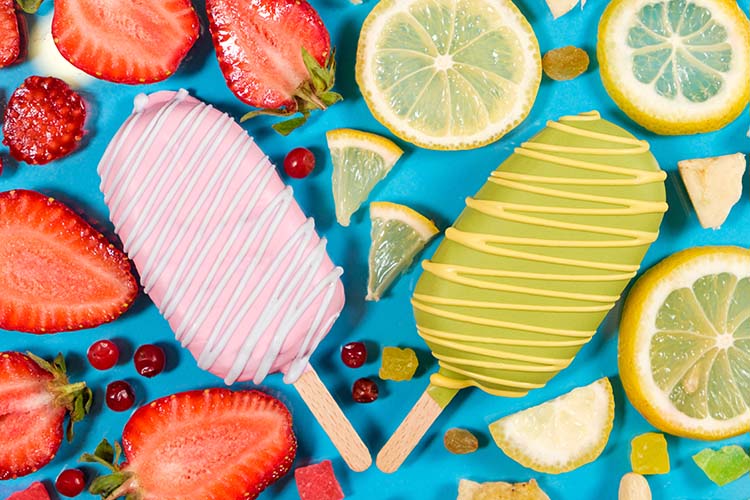
Frozen desserts - Citri-Fi citrus fiber minimizes ice crystallization and improves creamy mouthfeel

Frozen Desserts: Warm up to Functional Health

Better-for-you frozen desserts is considered a paradox driven by GLP-1 diets, the plant-based shift and the clean label movement. However, formulating for these types of frozen delights comes with challenges. One all-natural solution, Citri-Fi® citrus fiber, binds water and oil to improve the stability and nutrition of GLP-1 friendly and dairy-free frozen desserts. Because Citri-Fi is an upcycled food ingredient, this citrus fiber tells an environmentally friendly and transparent story from farm to fork.

Jumbo shrimp! Bittersweet! Fresh frozen! How many times have you raised your brow reading food packaging that contradicts itself? These phrases roll off your tongue with poetic grace but stump your inner intellect. And how about guilt-free indulgences such as healthier frozen desserts? Yes, the gratifying sweet morsels, that quells the palate but not the waistline, now can be better-for-you. Key market trends driving this paradox include GLP-1 diets, the plant-based shift and the clean label movement .

Metabolic Health: GLP-1 Friendly and Healthy Decadence

GLP-1 dieters are crusading this evolving metabolic wellness trend by demanding more nutrient-dense foods. Two key formulating strategies to develop GLP-1 friendly foods include protein-enrichment and invisible fiber fortification. This dual approach creates products that provide satiety, muscle mass preservation, and sustained energy. At the same time, these GLP-1 diet foods come with formulating challenges which affect shelf stability, texture and overall tastiness.

Citri-Fi® citrus fiber, which is produced from byproduct of the citrus juicing process, can be used at low levels (<1%) to provide stability, texture and nutrition to a variety of frozen desserts including high protein ice cream pints, yogurt-based pops and protein-enriched gelatos. Citri-Fi binds the water to minimize ice crystallization. As a result, frozen desserts remain creamy, non-gritty and smooth during freeze/thaw cycles. Citri-Fi also improves other types of GLP-1 friendly foods which can be read here.

Plant-based Dairy Desserts: Animal-free But Dairy-like

Frozen dairy alternatives continue to be a mainstream indulgence. In addition to the mentioned GLP-1 lifestyle, consumers gravitate toward plant-based frozen desserts for various reasons including health, clean label and curiosity. For instance, shoppers explore next-gen dairy-free bases used in ice cream today such as potato milk, fava bean and tiger nuts. Dairy-free frozen desserts do not harbor the saturated fats typically found in dairy-based counterparts. Because of this, consumers seek out dairy substitutes to manage their cardiovascular health. However, formulating dairy-free frozen foods comes with its own issues.

Frozen desserts using bases that contain no dairy typically need additional food ingredients to help bind water and fat to prevent separation and ice crystallization. Generally, food gums are used to improve the stability. However, some stabilizing systems have fallen out of favor due to the clean label movement. An all-natural option, such as Citri-Fi citrus fiber, contains large portions of intact native pectin that binds the water during freeze/thaw cycles. In the end product results in a creamy scoop-able frozen dessert. Additionally, Citri-Fi tends to mimic the mouthfeel of dairy fat so that this citrus fiber can also be used in both reduced-fat dairy-based and dairy-free versions.

Natural Processing: Clean Chemistry, Clean Label and Clean Conscious

Lastly, consumers prefer frozen desserts formulated with recognizable ingredients. The number of food ingredients also plays a role in the purchasing decision. Minimalist labels tend to win out as they gleam toward a more natural look. In addition, the subtle environmental guilt when purchasing foods now puts more emphasis on farm to fork. Consumers value foods containing sustainable ingredients sourced using a transparent supply chain.

Since numerous frozen desserts are formulated with stabilizing systems, which stack up the ingredient list, formulators are seeking natural functional replacements like Citri-Fi citrus fiber. This natural food ingredient is recognizable and provides the dual functionality of water holding and emulsification. Because of these properties, Citri-Fi can potentially replace multiple ingredients shortening the ingredient statement. And since Citri-Fi is a byproduct of the citrus juicing industry, it is considered an upcycled food ingredient with a transparent supply chain. Product developers can formulate using less than 1% Citri-Fi citrus fiber while improving the stability, texture and nutrition of frozen desserts.

Other Citri-Fi benefits include Non-GMO verified, allergen-free and gluten-free. Now, certified organic citrus fiber is available, Citri-Fi 400 series. Labeling options include citrus fiber, dried citrus pulp or citrus flour which all resonate well in the natural markets.

Read more →

Global Food Trends in 2026 - Health, Traditional Foods and Sustainability

Global Food Trends in 2026

The global food trends in 2026 include improving health, preserving traditional food and supporting sustainability. Whether it is pumping foods with protein or creating authentic regional culinary pastes, Citri-Fi® citrus fiber’s high water holding and emulsification properties can improve the texture, stability and nutrition of a variety of food and beverages.

Global food trends point to wellness, heritage eating and sustainability in 2026. But what does wellness mean in the food industry? Why are consumers reverting back to traditional foods? And what sustainability initiatives are shaping how food is developed? The world is massive but at the same time, it shares common culinary trends and food processing shifts. Let’s take a look at some of the regional market dynamics shaping up the global food trends in 2026.

North America: Health, Protein, Heritage and Sustainability Food Trends

The word-of-the-year is protein. Protein enrichment is seizing the food industry from beverages to breads. One of the key drivers propelling the U.S. and Canada’s protein foods points to the GLP-1 weight loss drugs. These dream prescriptions are melting away pounds from weight-challenged individuals. Because of these miracle remedies, GLP-1 consumers are eating less and seeking out nutrient-dense foods. As a result, product developers are stuffing protein in every food option imaginable, cutting the portion size and spitting out new products in the market with lightening speed. At the same time, protein fortification as a health trend comes with formulation challenges.

Adding protein to foods like bread, sauces and beverages alters the texture and stability of the food. Product developers need to re-formulate these foods using additional hydrocolloids likes starches and food gums to control water movement. At the same time, Citri-Fi citrus fiber, known for its high water holding and emulsification properties, is an alternative to hydrocolloids that can improve the quality of protein-rich foods. Citri-Fi citrus fiber’s benefits at low usage levels, <1%, can improve the texture, stability and nutrition of food and beverages.

The North American folk's attention to health and wellness also spearheaded a gastronomic movement involving heritage eating. In other words, consumers seek out foods that are back-to-basics or back to traditional food sources. For example, consumers are cooking classic dishes from their ethnic roots or adding more fermented foods into their daily mix. And this health and wellness and artisanal dining trend includes the focus on sustainability. Environmentally friendly food choices now entail food source transparency, food packaging reuse and food waste reduction. All of these elements are shaping the global food trends of 2026.

South America: Environment, Ancestral Eats, and Social Food Trends

Point your compass south and gallop over 4,000 miles to Latin America. Food trends range from ancestral eating to social dining followed by sustainable sourcing. Foodies are reverting back to traditional food staples like root vegetables such as aria, mashua, yacon and arracacha. Other examples include incorporating Melipona honey to drinks and the use of unsweetened acai in savory dishes.

In addition to celebrating authentic foods, folks are choosing family style or socially shareable foods in the spirit of mindful experiences. Nothing can substitute the happiness of breaking bread with family and friends. At the same time, LATAM consumers are also demanding healthy and clean ingredients. Gone are the days of ultra processed foods and imitation bites. Consumers are seeking naturally nutritious ingredients such as legumes, grains and vegetables.

However, creating home-style foods that are ready-to-eat require some natural ingredients to prevent water or oil separation. Regardless if the offering is refrigerated or frozen, food texture is affected from water migration. Citri-Fi citrus fiber’s high water holding helps bind that moisture to keep bread moist and sauces smooth and stable over time. Citri-Fi is created from citrus peel byproduct of the citrus juicing operations. Because of this process, which is free from chemical modifications, Citri-Fi is a sustainable food ingredient. This natural ingredient’s labeling options include citrus fiber, dried citrus pulp or citrus flour which resonate well in the natural markets.

Europe: Clean Ingredients, Gut Health, Plant Foods and Sustainability

Across the pond in Europe, consumers are preferring more fibre options in lieu of protein. Gut health resurfaced in the limelight triggering purchases to be tummy feeling good. However, the GLP-1 phenomena also attracted many to jump on the weight loss bandwagon. Smaller portion sizes and a healthier mix including fermented foods for gut health is the new normal. While plant-based foods fizzled out in the U.S., Europe is full steam ahead creating new dairy-free products  and meat alternatives using ingredients like mushrooms, pulses and heritage grains.

In addition to the gut healthy, fermented and plant-based foods, the market is still demanding clean label and transparency. Foods free from e-number ingredients and ultra processing is just part of the tall order. With sustainability, a global interest, Europeans are too looking to improve their carbon footprint in all directions. For instance, the frozen food popularity is increasing due to its perceived waste-reducing or zero waste option.

One food ingredient solution that checks all the boxes is Citri-Fi citrus fiber. It is a go-to formulating tool for the latest GLP-1 foods. This natural citrus fiber controls syneresis in protein-rich yogurts to moisture retention in nutrient-dense breads. The fibrous matrix locks in water and oil to prevent water migration during freeze/thaw of frozen foods. This sustainable citrus fiber has no e-number making it an ideal clean label food ingredient to improve a variety of foods and beverages.

Asia- Pacific – Chewy Textures, Authentic Pastes, and Indigenous Foods

Though health and sustainability are on top of most corporate minds globally, the Asian-Pacific consumer base is homing in on texture food trends in 2026. These foodies are coveting more chewy, springy and bouncy textures across all food segments. Confection is not candy unless it is chewy. Mochi is not a dessert without the spring. Chewy textures rely on food starches and gums. However, there are other sustainable solutions available like Citri-Fi citrus fiber. The fiber binds the water to aid in the springy texture. Or this sustainable citrus fiber can be used to dust the outside of chewy items to prevent sticking if it is a gummy-like product.

On the other hand, consumers are also favoring regional expression by returning to their roots. Again, this is a common global food trend slated for 2026. Consumers are cooking up regional fermented pastes that are like the DNA backbone to villages and towns. Many times, these pastes use expensive and/or limited available ingredients. By using natural food ingredients like Citri-Fi citrus fiber, pastes can be extended while still preserving the targeted flavor and natural texture.

The world is full of a diverse population. However, at the end of the day, many global food trends in 2026 highlight what matters most in peoples’ minds and hearts. Health, heritage and home are the commonalities that connect each one of us. Whether it is improving overall wellbeing, preserving tradition or caring for our home (the planet), formulating with citrus fiber is an efficient and effective solution.

For more information about how Citri-Fi citrus fiber can improve your food formulation goals, please contact us.

Read more →

GLP-1 Users look for protein enhancement in foods. Citrus fiber is ideal to improve texture and stability.

Protein Enhancement: Citrus Fiber Power

Protein fortification has been on-going for decades from energy seekers to body builders. Today, the GLP-1 users are shaping the protein enhancement trends in various foods like beverages, bakery and yogurts. However, protein comes with its own set of formulating challenges. Citri-Fi® citrus fiber provides water binding and emulsification which aid in improving protein-packed food's texture, stability and nutrition.

Years ago, protein as an ingredient made its main debut via nutrition bars. Trendy as they were, protein bars were a staple found in hikers’ backpacks, kids’ school lunches and the top drawers of office desks. Protein promised energy in the form of a convenient meal replacement. And then the supplement industry cashed in on the protein craze by creating hype around building and restoring muscle. Cheese-making byproduct, such as whey, found a home in protein powders and RTD protein drinks that filled this market need. However, today’s protein enhancement trends revolve around the GLP-1 movement, satiety and healthy aging.

GLP-1 Formulating Trends

GLP-1, which stands for glucagon-like peptide-1, are new weight loss drugs that are the talk of the century. These pharma inventions promise pounds to fly off the waist and thighs. This is due to the GLP-1 users embracing new eating habits which include reducing portion size and increasing the intake of nutrient dense foods. The two healthy ingredients on the red carpet in response to this trend are protein and dietary fiber. Both of these ingredients are commonly found in protein formulations designed for these dieters.

Consumers using the GLP-1 drugs are seeking out products that contain high sources of protein. As a result, food manufacturers responded by pumping protein into conventional food formats like beverages, bakery items, frozen foods, breakfast cereals and pasta. However, each food format has their own protein strategy. And because of this, protein enhancement in foods comes with a range of challenges.

Boosting Beverages: Protein and Fiber

Fortified drinks is one of the common formats for protein enhancement. Beverage makers are supplementing various beverages with proteins like dairy-based whey in milks, sodas and even coffees. At the same time, the heat used in thermal processing to make beverages shelf stable, can unwind protein strands. As a result, this denaturation of the protein causes gelling, cloudiness and sedimentation. Broken down protein composition creates an undesirable chalky and grainy mouthfeel. And if this beverage is plant-based, the added protein can create flocculation (clumping) or creaming.

One fiber-based solution to this dilemma is Citri-Fi citrus fiber. This upcycled ingredient is byproduct of the citrus juicing process. At low usage levels (<1%), Citri-Fi can improve the stability of protein-enriched RTD beverages like shakes or smoothies due to its water binding and emulsification properties. In addition, this natural citrus fiber can improve the creamy and full body mouthfeel of plant-based beverages.

To Better Protein-enhanced Bakery with Citrus Fiber

Baked goods is another protein enriching category. Many GLP-1 users still gravitate toward breads, muffins and bagels during mealtime. However, there are a variety of proteins that are typically used such as whey, milk protein concentrate, soy proteins and isolates, pea protein, fava proteins and egg whites to name a few. Bakers struggle with protein fortification because protein loves to compete for water. It tends to create dry, dense and crumbly bread structures. This is due to the protein diluting the gluten innately found in the flour. When the gluten matrix is loosened, then the dough is weaker causing gas to not be trapped. As a result, this negatively affects the volume and crumb of the protein-enhanced bread.

There are a few workarounds such as adding more water, adjusting the processing parameters and bake times and using a blend of different protein sources. Another solution is incorporating Citri-Fi citrus fiber at low usage rates (<1%). As mentioned, this citrus fiber binds water and provides emulsification. As a result, breads tend to retain moisture over time giving it a fresh appeal over shelf life.

Protein-packed and Stable Textured Yogurts

One last food format that innately contains protein due to its dairy or plant-derived bases is yogurt. Yogurt is the poster child for health and wellness. Despite its fame, producers are loading yogurts up with even more protein. Some achieve this by using different processing such as strained yogurts which become Greek-style yogurts with higher protein concentrations. Alternatively, others are adding in milk protein concentrate, whey protein, casein and/or skim milk powders to boost the protein content. But, added protein weakens the gel structure. As a consequence, water weeps out of the protein matrix and causes syneresis. In other words, the water separates from the yogurt and pools on the top.

Other issues using ingredients in the protein space include grainy or chalky mouthfeels and excessive thickening. And due to the thermal processing used in creating yogurts, protein strands can denature and create separation. Many yogurt formulators use stabilizers to solve these issues. However, some of these stabilizers are not perceived to be label friendly. One solution for protein-enhanced yogurts is to use Citri-Fi citrus fiber. The water binding and emulsification power aids in minimizing the water separation. Because of this, protein packed yogurts are thick, smooth and creamy. Citri-Fi improves dairy-based and plant-based protein-enriched yogurts.

Protein-infused Foods: Now and Later

The protein wave will continue to be fueled by not only the GLP-1 users but also those consumers seeking energy, healthy aging and sustenance. For now, product developers are building the formulation road map for protein fortified foods.

In the future, the anticipation is that AI (artificial intelligence) will reduce the trial and error of developing these foods. And with continued nutrition research, food manufacturers and academia will create more science around protein bioavailability and the physiological effects of consuming various proteins. This will aid in producing the most efficient protein solution to improve the consumer’s life.

Citri-Fi citrus fiber is an ideal tool which can be key in formulating in the protein space to achieve protein enhancement. This natural citrus fiber is non-GMO Project certified, allergen-free and gluten-free. There is no e-number which is ideal for certain regions like Europe. And labeling include citrus fiber, dried citrus pulp or citrus flour which resonate well in the clean label markets.

For more information, please contact us.

Read more →

Plant-based Milk Formulations Trends

Pour Me Up Plant-based Milk Formulation Trends

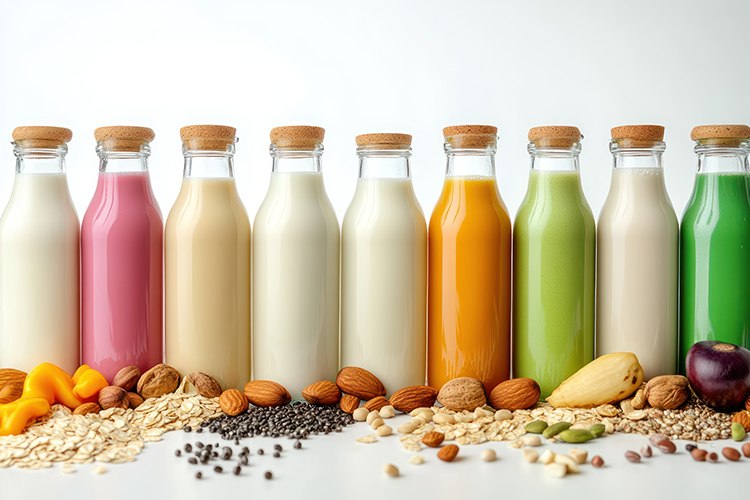
Plant-based dairy alternatives continue to innovate with protein and calcium enhancements, cleaner labels, organic statuses and sustainability demands from consumers. Regardless of the market trend, Citri-Fi® citrus fiber is an ideal clean label option to improve the stability and natural mouthfeel at low usage levels (<1%) in plant-based milk formulations. Product developers have this upcycled ingredient available in their tool box for future opportunities as well ranging from dairy-free kids beverages to GLP-1-centric non-dairy drinks.

Consumers have access to every spectrum of the rainbow when it comes to choosing a plant-based milk. This category exploded beyond the original rice and soy offerings. Now, the market offers plant-based dairy options derived from oat, almond, macadamia, hazelnut, coconut and hemp to a name few. Besides the myriads of beverage bases, this category continues to milk the money tree by launching new innovative products addressing consumers' needs and concerns. Some of these plant-based milk formulation trends revolve around nutrition, organic status, label transparency and sustainability.

Plant-based Milk Formulations: Pumping up the Protein

Because animal-based dairy milk innately contains nutritional components such as protein and calcium, consumers expect a mirror image in plant-based milk alternatives. Products today are pushing the envelope when it comes to packing a punch. However, fortifying a plant-based milk comes with its hurdles and one of it being separation. Some stabilizers, like gellan gum, are excellent due to their suspension properties. However, at the same time, consumers raise a brow these days if ingredients do not resonate with them.

Citri-Fi citrus fiber, an upcycled ingredient from the citrus juicing industry, is a clean label alternative. The natural water holding and emulsification properties due to it native pectin make it a highly functional ingredient at low usage levels (<1%). It is this dual functionality that gives developers an edge in fortifying plant-based milk formulations with protein, calcium and/or other nutritional ingredients. The natural citrus fiber not only cleans up the label, but also, it produces a smooth and natural mouthfeel. Formulating with success does require a few handy tricks that the Fiberstar technical team can coach on. This guidance can help shorten the learning curve whether it is choosing the best calcium salt to activating citrus fiber’s gelling properties.

Clean Label Spills into Plant-based Simplicity

In addition to amplifying the plant-based dairy's nutritional profile, consumers are also looking for simple ingredient decks. For this reason, some plant-based milk brands tout their short ingredient labels. And some go to the level of calling out their beverage ingredients to be less than five. This strategy not only quells consumers’ label concerns, but also, keeps plant-based milk formulations straightforward. Again, these types of formulations need clean label food ingredients that can be used to provide the function of multiple texturants or stabilizers.

Citri-Fi citrus fiber can be used to replace common hydrocolloids while still maintaining stability and natural mouthfeel. There are recommended processing methods and usage rates that allow Citri-Fi to create gum-free dairy alternatives. The technical team’s formulation tips depend on the type of plant-based milk, fortifying agents and other required ingredients. Labeling options include citrus fiber, dried citrus pulp or citrus flour which all resonate well in the natural markets.

Organic Growth of Dairy Alternatives

Despite conventional dairy-free beverages owning the lion's share of the market, the organic segment is making strides. Many consumers are switching over to organic versions for various reasons. For instance, organic echoes wellbeing in those concerned about where their food comes from. By choosing organic, consumers feel they are doing the right thing for their health and the environment.

Though there are several citrus fiber suppliers in the market, Fiberstar is one of very few suppliers that offer USDA organic certified citrus fiber. This Citri-Fi 400 series provides the same high water holding and emulsification properties as the 100 and 600 conventional series. At less than 1% usage, the Citri-Fi 400 series can create gum-free dairy alternatives while preserving the natural mouthfeel. The 400 line is found in several commercial plant-based milk formulations today.

Environmentally-friendly yet Sustainable Plant Milks

Deciding on whether to purchase almond or oat milk is one step of the decision process. Today, consumers’ sensitivity towards Mother Earth has grown a thousand-fold. Their eyes and ears seek out products with a green storyline. But being green is more than just waving the environmental flag. It also implies that all steps in the supply chain such as sourcing, processing and transporting should be sustainable for the long term.

For example, citrus fibers like Citri-Fi are upcycled ingredients of the citrus juicing industry. The process, which is free from chemical modifications, converts this byproduct into higher-valued food ingredients which can be used in plant-based milk formulations. Not only is Citri-Fi environmentally friendly, but it also uses a sustainable clean process. So, Citri-Fi tells its own green narrative. In addition, Citri-Fi is non-GMO Project certified, allergen-free and gluten-free. There is no e-number associated with Citri-Fi which is key in regions like Europe.

The Future Sips of Plant-based Milks

This category will remain in the limelight. Developers will continue to explore new boundaries. For instance, novel dairy alternative bases such as pea, chickpea and fava bean are emerging. And due to new processing techniques, other plant-derived bases using lentils, microalgae, fruits and vegetables remain on the radar.

However, most dairy alternative beverages are geared toward adults. Today, more food categories are branching out and creating products specific for toddlers and kids. There is ample room to market healthy plant-based milks to this age bracket as an alternative to moo juice. And like the animal dairy industry, there are opportunities to improve the nutrition either by fortifying or creating no sugar added versions. Another area of interest involves plant-based smoothies which are breaking the mold using different flavors and real fruit to support a healthy halo. And creating plant-based beverages with different textures such as full-fat and skim to simulate their animal-based counterparts is another strategy for differentiating dairy-free products.

Lastly, one other area of opportunity lies within the GLP-1 segment. Many consumers using this type of weight loss drug have encountered a change in eating patterns. Not only are they eating less, but they are choosing protein-enhanced or sugar-reduced options to complement their diet. Creating plant-based milk formulations addressing these needs is a sure win with this segment over the next few years.

For more information on how to use Citri-Fi citrus fiber in plant-based milk formulations, please contact us.

Read more →

Tomato Extension, Natural Tomato-like Texture, Viscosity, Thickness in pizza sauces and plant-based pizzas - Citri-Fi Citrus Fiber

Pizza Expo 2024 – Top 5 Food Trends

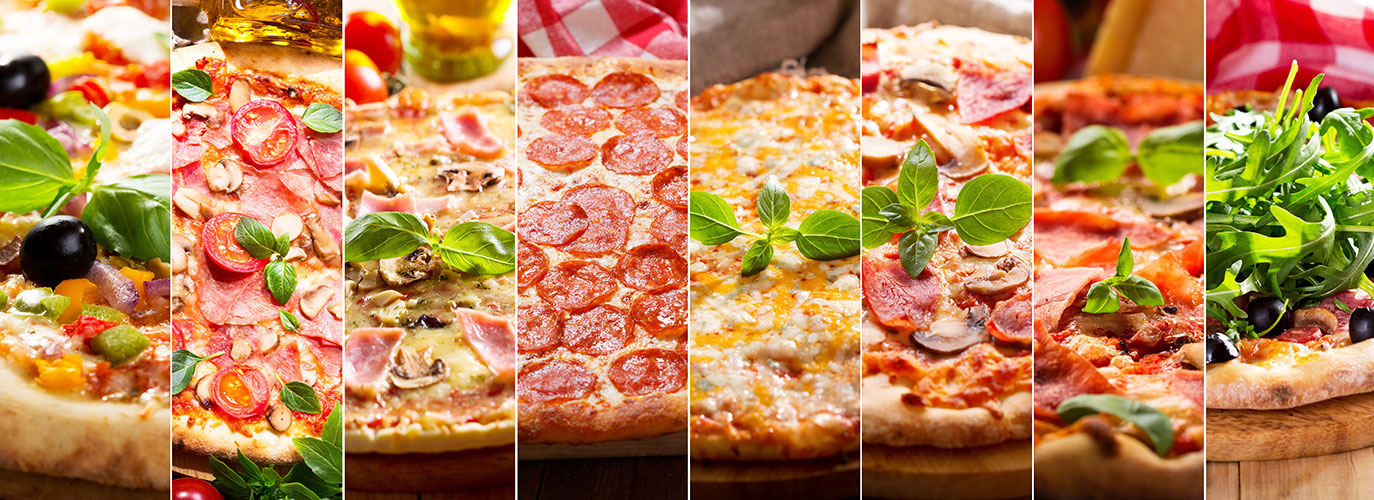
The annual International Pizza Expo is a show that encompasses anything pizza related such as food, equipment and restaurant technology. Many food trends continue to fuel innovation in this category. Regardless of the trend, Citri-Fi® citrus fiber is a natural solution available to improve the texture, stability and nutrition of pizza sauces, crusts and toppings.

The International Pizza Expo is a trade show that takes place every year in lively Las Vegas. Thousands of pizzeria professionals fill the convention hall exploring the latest food, equipment and restaurant technology. The thrill begins at the entrance door where foodies are greeted with the warm savory aromas of pizza permeating the air. Besides the intoxicating smells, I captured several food trends while strolling the hall floor.

Dairy Alternative & Meat Substitute Options Still on Tap

Though the meat substitute segment slowed down over the past few years, this segment is still relevant in the pizza category. A handful of companies showcased their plant-based meat toppings including Conagra’s Gardein sausage on top of their pizza slices.

Alternatively, the dairy-free cheese segment offered significantly more options. One market leader, Daiya Foods, highlighted their plant-based cheese on pizza in addition to a few newer companies including NUMU and Plant Ahead. However, the one company that showed the most innovation was Myoko’s Creamery with their pourable plant-based mozzarella.

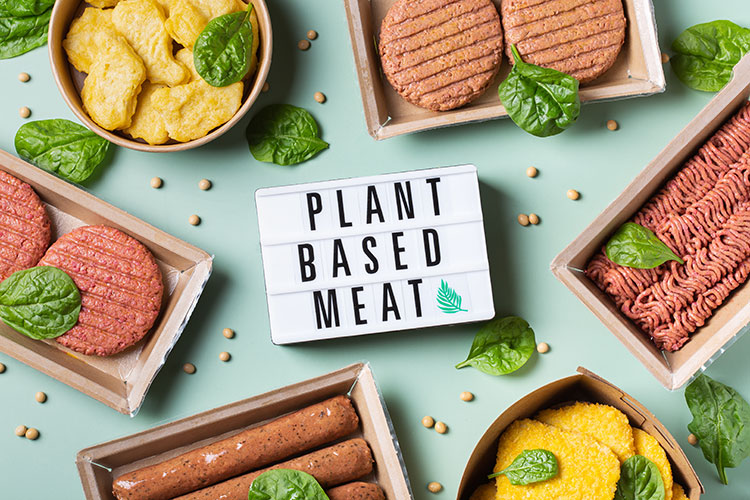
Citri-Fi citrus fiber plays a key role in creating high quality plant-based meat and cheeses. Due to this citrus fiber’s emulsification and heat stability, Citri-Fi can be used to create stable, creamy, dairy-free cheese sauces. In meat substitutes, the Citri-Fi 100 series binds water and emulsifies to create the succulence. The Citri-Fi TX series, which is a coarse particulate, creates the meat-like texture and firmness.

Natural, Clean and No Additives

Cheese makers touted their creamy authentic mozzarella. Flour millers highlighted their clean pizza crust mixes. And tomato sauce producers promoted their high-quality texture. Regardless of the food item, companies put emphasis on their bona fide pizza products.

Because many companies pride themselves on the natural aspects of their foods, they are cautious when substituting or including additional ingredients. However, there are options available to improve foods while still maintaining a natural and clean label which continues to be a hot food trend.

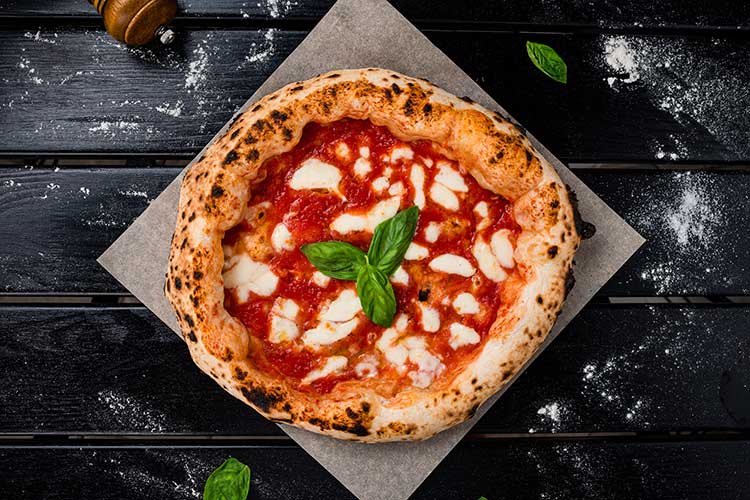
For instance, Citri-Fi citrus fiber can extend tomato paste up to 25% while maintaining the natural tomato-like texture of savory sauces like pasta sauce, pizza sauce and BBQ sauce. This natural ingredient not only improves the quality of the sauce, but it may also provide cost savings to the manufacturers since tomatoes remain a price sensitive ingredient due to availability.

Citri-Fi also binds water to prevent water migration during freeze/thaw conditions. As a result, pre-made refrigerated and frozen pizza crusts maintain their quality during handling and storage. And since Citri-Fi is non-allergenic, it is ideal for gluten-free pizza crusts which tend to dry out during shelf-life. Labeling options include citrus fiber, dried citrus pulp or citrus flour which resonate well in the natural and clean label markets.

A Plethora of Pizza Crust Options

Pizza crust has evolved into a variety of formats over the years. Toppings can be scattered on focaccia or flatbreads. Also, gluten-free continues to be an important food trend. A few companies exhibited their gluten-free crusts. For example, some crust bases were created using potatoes, cauliflower or rice flour. Many regions touted their style of pizza such as Chicago, Detroit, and New York type emphasizing their signature crusts.

However, one of the up-and-coming food trends in pizza crust is nutritionally enhanced. Fortifying crusts with more dietary fiber has been a tactic for several years now. Yet, today, some companies showcased their pizza crusts enriched with plant-based proteins.

Appetizers, Desserts and Beyond

The bulk of the expo focused on pizza. However, other companies featured non-pizza foods. For instance, a few booths sampled potato-based appetizers such as French fries and tater tots. Another food trend at the show was the ethnic appetizers. Handheld foods like Greek spanakopita and Hispanic empanadas unveiled their tasty savory and sweet fillings. And several companies showcased homemade pasta. However, some took it a step further and demonstrated ravioli filled with an exotic mushroom medley or creamy lobster ricotta. In filled-based foods, Citri-Fi binds water in the filling to improve yields and prevent blow-outs. Other interesting appetizer concepts included pizza bowls and pizza soups.

And a meal is not complete without a dessert. The predictable gelato and sorbetto littered the floor. Other companies showed their cannoli capabilities while some displayed cookies. One company, Otis Spunkmeyer, sampled their pizza cookies which were mouthwatering!

Sustainability and Eco-friendly 

With sustainability in the limelight, it was no surprise to see more than just an essence of this at the show. For example, several flour millers proudly claimed that they use regenerative practices. Regenerative agricultural practices is a comprehensive management program which involves tending to crops to boost better soil health.

Other eco-friendly mentions include foods that are USDA certified organic, Non-GMO Project certified and sustainably sourced. These food trends will continue to affect our food that is grown, produced and sold for years to come.

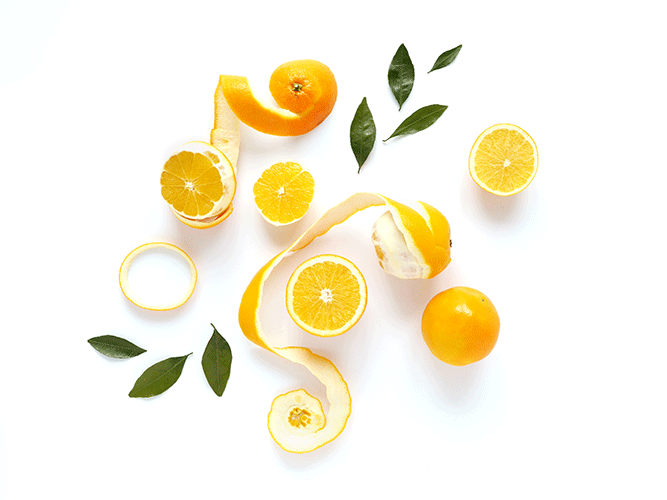
The food industry offers such food ingredients. Fiberstar, Inc. prides itself on claiming their citrus fibers are sustainably produced. For example, Citri-Fi is made from byproduct of the citrus juicing process. The process is free from chemical modifications. As a result, this upcycled citrus fiber contains the original composition of both insoluble and soluble fiber as Mother Nature intended. This citrus fiber retains high amounts of intact native pectin which sets itself apart from other citrus fibers on the market.

Other citrus fibers are created from the pectin extraction process which typically involves solvents and possibly other chemicals. The full functionality also may be lost due to the process, so to make their citrus fibers more functional like Citri-Fi, some companies add the pectin back into their citrus fiber.

Citri-Fi citrus fiber is non-GMO Project Certified and USDA certified organic now available.

For more information, please contact us.

Read more →

Citri-Fi Organic Citrus Fiber Water Holding, Natural Emulsifier, Upcycled, Sustainable, Gelling Properties - Sustainability - Eco-friendly - Upcycled

Organic Citrus Fiber: Nature’s Upcycled Food

The organic food market, including processed foods, continues to grow each year. Food ingredients making up processed foods undergo a rigorous review to be certified organic. Because of this, there are limited natural ingredient options on hand. Citri-Fi® 400 organic citrus fiber is one of very few citrus fibers available. This citrus fiber provides high water holding and emulsification properties which makes it key to creating organic foods with shelf stability, great taste and natural texture.

The organic food market exploded over the past few decades. What started with a heightened demand for organic fruits and vegetables expanded into other categories such as canned foods, bakery flours, sauces and spices. According to the Organic Trade Association (OTA), the U.S. organic food sales in 2020 grew 12.8% to a new high of $56.4 billion. And about 6 percent of the food sold in the United States was certified organic. However, the U.S. is not alone with demanding more organic foods on the market. This trend streams across the globe in other regions like Europe and Asia Pacific.

Organic food sounds healthy and wholesome, but what does this term actually mean? And why is the status important in consumers’ minds? First off, in the U.S., the term “organic” is governed by the USDA organic standards. These standards include methods that support the cycling of resources. For example, USDA organic means ecological balance and conservation of biodiversity. It forbids the use of synthetic fertilizers, irradiation treatments and genetic engineering. This protocol is important to consumers who value the environment and the ecological system. Consumers also assume they are not only bettering the world around them but their bodies too. Many believe that eating organic equates to healthier choices like consuming foods containing organic citrus fiber.

Certified organic foods go thru a rigorous approval process. Food products like fresh produce are not the only foodstuffs certified. For instance, processed foods also undergo similar validation processes. The food ingredients that make up the processed foods such as savory sauces or baked breads are required to be certified USDA organic before food products can make the claim. Food manufacturers can use permutations of the organic claim depending on how much of the finished product contains organic ingredients.

Formulating with Organic Food Ingredients

Formulating organic processed foods can be challenging. Product developers work with a set of parameters such as clean label and natural when creating new organic food products. Many food ingredients that are certified organic and considered clean label, such as some starches and food gums, have limited functionality. As a result, this impacts food product’s shelf stability, taste and texture.

However, today, new functional ingredients are emerging such as organic citrus fiber. This clean label fiber, Citri-Fi 400, is one of very few certified organic citrus fibers available on the market. What makes citrus fiber so special? First off, not all citrus fibers are created the same. Some citrus fibers go thru chemical processes using solvents to strip away impurities. However, this also affects the functionality. Citri-Fi 400 is byproduct from organic citrus fruit processing. This upcycled ingredient goes thru a process free from chemical modifications which preserves the intact native pectin. As a result, this organic citrus fiber provides high water holding and emulsification.

Organic Citrus Fiber & Food Application Use

These functional benefits improve a variety of food products including meat substitutes, dairy alternatives like plant milks, fruit preparations and sauces. For example, in meat substitutes, Citri-Fi 400 at 0.5% - 2.0% binds water and oil to produce the juicy texture and freeze/thaw stability. In plant-based milks using oat, almond, soy or rice bases, this organic citrus fiber at 0.1% to 0.4% improves viscosity and generates a more natural mouthfeel. When product developers create fruit preparations, Citri-Fi 400 at 1.5% to 2.5% can extend pectin and create improved textures. And this natural fiber at 0.2% to 1.0% thickens, stabilizes emulsions, and/or reduces egg content in a variety of sauces, dressings and condiments.

Besides the functional benefits, this USDA certified organic Citri-Fi 400 comes in several particle sizes. The plant-based fiber series is non-GMO and clean label. For instance, labeling options include citrus fiber, dried citrus pulp or citrus flour which resonate well in the natural markets. And this fiber does not carry an E-number which benefits regions like Europe.

For more information about the new Citri-Fi 400 organic citrus fiber line, please contact us!

Read more →

Tomato Extension, Natural Tomato-like Texture, Viscosity, Thickness in pizza sauces and plant-based pizzas - Citri-Fi Citrus Fiber

Plant Based Pizza: Piece by Piece

Plant based pizzas contain multiple components including the crust, sauce, dairy-free cheese and plant-based meat. Each ingredient faces its own formulating challenges. However, plant-based ingredients like Citri-Fi® citrus fiber binds the water and emulsifies to alleviate stability and texture issues.

Someone told me once that pizza is the ultimate food. It contains all 5 food groups: fruits/vegetables, starch, dairy, protein and fat. In product development classes, pizza was the go-to meal when creating portable snacks, feeding a family of five and nourishing those in need. Although pizza is a quick and easy morsel for the consumer, the complexity spins most food developers heads when it comes to plant-based pizzas.

Pizza is comprised of multiple components including the crust, sauce, cheese and protein toppings. When combined together, water and oil, when not bound, tend to migrate in different directions. Throw in refrigeration and freeze/thaw storage, pizza stability and texture risks quality issues. Plant based pizzas are not exempted from these dilemmas. These products tend to have their own challenges.

Building the Foundation: Pizza Crust and Sauce

For instance, pizza crust serves as the foundation. Today, there are a variety of crusts available catering to various diet requirements such as gluten-free, keto and low-carb. Many of the base flours used do not contain gluten. Because of this the pizza crust lacks binding. Crusts tend to crack and separate or turn soggy depending on the flour bases used. Some of these bases such as starch-based gluten-free flours or cauliflower need binding power to hold it all together.

Citri-Fi citrus fiber, at <1% usage level, holds a lot of water especially in bakery products like pizza crusts. This natural ingredient works synergistically with starches and gums to create a pizza crust that stands up in heat. Citri-Fi shines most in freeze/thaw conditions. This citrus fiber binds the water to prevent water migration during freeze/thaw cycles. As a result, the pizza crust remains intact and produces a tender bite after baking.

Another component of plant based pizzas that tend to use water and oil binders is sauce. Although red sauce is the gold standard, today the culinary world introduced everyone to new sauce options. The market now offers pesto, white cheese and even butternut squash sauces. And like the conventional red sauce, these sauces require viscosity and stability to maintain texture. Citri-Fi citrus fiber’s water holding and emulsification at <1% usage level stabilizes the sauce while creating the natural thick texture. And because of its functional benefits, it keeps the water and oil in the sauce instead of leaking into the crust and toppings. Due to the recent starch and food gum supply limitations, Citri-Fi is an ideal substitute.

Dairy-free Pizza Cheese - Meltability

The crust and sauce typically are plant based. The more challenging components of a pizza are dairy-free cheeses and plant-based meats. Dairy-free cheeses do not contain animal-based casein which creates that gooey meltable texture when heated. Because of this, plant-based cheeses have limited melt-ability. This significantly affects not only the visual but also the mouthfeel and texture. Developers combine a melting pot of ingredients (no pun intended) such as starches, food gums, plant proteins and fibers to improve shred, spread and melt.

One solution available includes Citri-Fi when used at <1%. As mentioned, this natural ingredient binds water and emulsifies. As a result, the cheese holds onto the water and oil during refrigeration to prevent water migration or oil purge. Citri-Fi can also work synergistically with other plant-based ingredients to create a smooth and melt-able plant cheese.

Plant-based Meats Texture the Top

Lastly, plant-based meats topped on pizzas typically are pepperoni or sausage bites. Pepperoni meat alternatives tend to lack moisture and fall apart. Using the Citri-Fi 100 line at <1%, developers can create pepperoni slices that bind the water which improves the stability and moist texture. On the other hand, sausage bites typically have soft texture and lack the chew similar to their animal-based counterparts. When using Citri-Fi TX texturizing citrus fiber, product developers can create sausage pieces with more meat-like texture. The Citri-Fi 100 line can also be used in conjunction with Citri-Fi TX to bind the water and oil to produce the succulence.

In the end, Citri-Fi citrus fiber is a versatile formulating tool for plant based pizzas. This natural ingredient’s ability to hold water and emulsification, solves many challenges when creating the crust, sauce, dairy-free cheese and meat alternatives.

Citri-Fi is non-GMO Project certified, gluten-free and allergen-free. Labeling options include citrus fiber, dried citrus pulp or citrus flour which resonate well in the clean label market. Citri-Fi also have no E-number which is favorable in food markets like Europe.

For information about creating plant based pizzas, please contact us.

Read more →

Plant-based Meats, Meat Alternatives & Plant-based Foods: Citri-Fi Replaces Methylcellulose, Improves Juiciness, Firm Texture and Meat-like Texture

Natural Products Expo Trends: Plant-based Meat Formulations & Dairy Alternatives

Meat substitutes and dairy alternatives were Natural Products Expo West hottest areas this year. Many companies showcased their newest plant-based meat formulations which came in a variety of formats using alternative plant-based proteins. Though plant-based milks continue to penetrate the market, dairy-free cheeses littered the floor with innovative formats, styles and flavors. Amongst some products, citrus fiber appeared on ingredient labels due to its high water binding and natural emulsification benefits.

It happened! The 2022 Natural Product Expo West show resumed its regular in-person exhibition. For those who are not familiar with this trade show, it is the mecca of all trade shows when it comes to natural food products. For the seasoned attendees, one knows this massive show merits at least two days, a pre-planned floor strategy and a pair of cozy shoes to wear. If you are lucky enough, you may eye-spy tinsel town investors and actors trolling the floor next to you. However, this year, it is no surprise that plant-based foods stood in the limelight. Two categories popped out amongst the mass which included meat substitutes and dairy alternatives. New plant-based meat formulations and dairy-free products littered the aisles. Below outlines a few of the top trends spotted at the show.

Meat Substitute Product Formats

This category started life in a burger patty format years prior. However, today, meat substitute products come in all forms including chorizo, hot dogs, shredded barbacoa, ground beef or pork, sausage links and pate. These meat-free foods also take form of traditional cold cuts such as prosciutto, carpaccio, salami and pastrami. Several companies even turned their booths into benevolent butcher shops showcasing all types of plant-based meat formulations. Despite the variety, plant-based bacon offerings were limited at the show.

Faux Chicken, Egg Substitutes and Seafood Analogues

The plant-based chicken category was a main focus. Many companies sampled their cutlets, nuggets, ground and patties including Quorn. Both retail and food service folks swarmed the booths in search of new product offerings. Another category that popped up was plant-based eggs. Some companies took the route of scrambled tofu to demonstrate its versatility. Other companies explored other avenues using ingredients like mung bean starch or pepita seeds (Spero).

However, the most exciting and fastest growing category was plant-based seafood. Several companies on the floor showcased their seafood alternatives. For instance, some presented salmon sliders, crab cakes, fish sticks and even tuna in a can. (Atlantic Natural Foods  |  Good Catch Foods  |   Sophie's Kitchen) The texture and flavor simulated its fish-based counterparts which required skill and art when working with plant-based meat formulations.

 Plant-based Meat Formulation Ingredients

The plant-based toolbox expanded over the years. Many companies veered toward clean label ingredient decks. For instance, meat substitute bases incorporated soy, pea, garbanzo, black beans, lentils, navy bean, fava beans, adzuki bean, hemp, tempeh or cauliflower. Ingredient labels also listed clean label stabilizers and natural emulsifiers to protect these products during food processing, transportation, freeze/thaw and storage conditions. For instance, some companies presented a whole line of frozen meals incorporating meat alternative products such as lasagnas and pot pies. (Komo Foods  |  Tattooed Chef)

 Dairy Alternative Innovations

Though plant-based milks continue to penetrate the market, companies moved beyond the traditional soy and rice bases. For example, plant milks now use oat, cashew, hemp, walnut, macadamia, and sesame seeds. (Hope & Sesame  |   Milkadamia) Furthermore, companies pitched their products as milk nogs, barista milks and creamers.

However, the hottest and new area within dairy-free is plant-based cheeses. The most popular cheese analogue formulations used starch and fats or oils. These typically are cheaper to produce compared to cultured nut milks. The cultured market leader, Miyoko’s, showcased their liquid cheese alternative on pizza crust. It melted just like its animal-based version and tasted cheesy. Other formats at the show included shredded, cubed, sliced, crumbled and blocks. Companies even ventured into more artisan cheese types such as smoked gouda, feta, parmesan, pimento, hot pepper, sharp cheddar and French styles. (Good Planet Foods  |  Nuts for Cheese)

Other dairy alternatives categories at the show included cheese spreads, yogurts and frozen desserts. They too used similar plant milk bases but differentiated themselves by flavors, styles and formats. And like plant-based meat formulations, these dairy alternative products used plant-based stabilizers and natural emulsifiers to create high quality food products that withstand processing, transport and storage.

Citrus Fiber - The "Go To" for Plant-based Foods

Citrus fiber was spotted on several plant-based meat and dairy alternative labels at this year’s show. Because Citri-Fi® citrus fiber helps bind oil and water to stabilize plant-based foods, its high functionality and clean labeling make this a popular go-to ingredient. If you have questions on how to use Citri-Fi in your next plant-based meat formulation or dairy alternative product, please contact us.

Read more →

Dairy Alternatives: Citri-Fi Citrus Fiber Provides Stability and Natural Creamy Mouthfeel

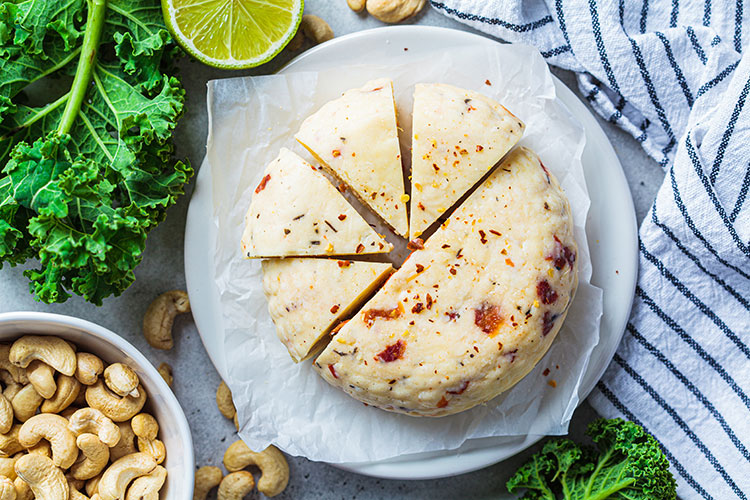
Smile and Say Cheese Alternatives!

Cheese alternatives are the next frontier in the dairy-free world. Today, there are several types of products which present their own set of challenges such as instability and texture. Citri-Fi® citrus fiber’s water holding and emulsification properties bind the oil and water to create high quality cheese analogs that simulate their animal-based counterparts.

Through the years, cheese producers convinced the market that cheese is the magic ingredient that makes food taste great! Commercials encouraged parents to melt it on vegetables to make it more palatable for their children. Pizza is not pizza unless there is a long stretch of mozzarella hanging off the slice. And when snacking hit its peak, cheese stood on a pedestal due to its protein content and dairy health benefits. Because of this, dairy-based cheese literally milked the market. The popularity created an opportunity for new offerings such as cheese alternatives.

At the same time, the dairy alternative demand began to tick up. Growing concerns about sustainability, animal welfare and health consequences of animal-based fats spurred a sudden interest in creating cheese without animal milk. As a result, today, there are a variety of cheese analogs using different types of food ingredients and processing technologies. And there is no better time to discuss this topic rather than now in January aka Veganuary.

Starch and Fat-based Cheese Alternatives

Many companies try to mimic common cheese types including sliced cheeses for sandwiches and vegan burgers, soft cheese like camembert, or even products that match fresh or cream cheese. To do this, producers have different options. For instance, a lower cost route incorporates a fat source and modified starches. Spreadable types use liquid fats. On the other hand, hard cheeses require solid fats like palm or coconut in combination with starches. However, palm and coconut are questionable when it comes to sustainability. As a result, some shy away and resort to using sunflower or canola oil.

One challenge using these types of fats and modified starches is creating a stable emulsion without chemical emulsifiers. Because clean labeling is another important requirement, manufacturers look for alternative ingredients. Another underlying issue is that these type of cheeses have no nutritional value. Their bases are made up of starch and contain minimal protein versus animal-based cheeses.

Citri-Fi citrus fiber can help bind the oil and water in these type of formulations. The high surface area and native intact pectin content enables emulsification properties. As a result, cheese texture and stability are not compromised. Also, Citri-Fi contributes some dietary fiber, so this helps improve the nutritional content.

Fermented Nut Cheeses

Another type of cheese that is popular is fermented nut cheeses. These cheeses typically use almond or cashew as a base. The nutritional profile is better due to the nut protein content. And the flavor profile simulates the natural flavor of cheese which can come close to aged cheese. However, this process comes with more costs and tends to be pricier. And when nuts are ground, they tend to not bind all the fat inside which causes separation.

Because Citri-Fi is a great natural emulsifier, it can bind oil and water to help reduce the costs and improve the yields of these products. Water migration is common in products that do not have a good emulsifying system. As a result, Citri-Fi helps prevent weeping during refrigeration. In the end, Citri-Fi, at low usage levels (0.1% to 0.6%), provides emulsification, stability and nutritional benefits to a variety of cheese alternatives. This can range from cream cheese substitutes, parmesan alternatives to other vegan cheese analogs.

This cheese alternative market is the new frontier in the dairy-free world. In the future, cheese will use different protein sources like chickpeas and fava beans. Producers will push the envelope using fermentation, new processes and new ingredients to create high quality cheeses matching their animal-based counterparts.

Citri-Fi is non-GMO Project certified, non-allergenic and gluten-free. This natural ingredient has no E-number. Labeling options include citrus fiber, dried citrus pulp or citrus flour which resonate well in the natural and clean label markets.

Please contact us for more information.

Read more →

Plant-based Milks - Citri-Fi Citrus Fiber Stability, Clean Label, Natural Creamy Mouthfeel Meat Substitutes: Citri-Fi Citrus Fiber Replaces Methylcellulose, Creates Meat-like Texture and Improves Juiciness

Plant Based Ingredients: CEO State of the Business Interview

The plant based foods market exploded in the past few years demanding more plant based ingredients like Citri-Fi® citrus fiber. This interview with John Haen, President and CEO of Fiberstar, Inc. dives into how Fiberstar entered this hot arena and explains how success has shaped the business today in this exciting market.

1) Who is Fiberstar and what does your company offer to the food ingredient marketplace?

Fiberstar, Inc. manufactures and sells Citri-Fi citrus fiber, which is an upcycled, plant based ingredient produced from byproduct of the citrus juicing industry. The patented process, which is free from chemical modifications, opens up the fiber to create high water holding capacity and emulsification properties. This highly functional fiber improves stability, texture, and nutrition in a variety of food and beverages.

From the beginning, Fiberstar pioneered citrus fiber technology. The clean process and dual functionality differentiated Citri-Fi from other plant based ingredients in the marketplace. With this in mind, less is more when using Citri-Fi citrus fiber. At low usage levels (<1%), this citrus fiber provides multiple functionalities unlike other stabilizers and texturants available.

2) Is Fiberstar, Inc. in the plant-based foods space? If so, for how long?

Fiberstar has worked in the plant-based foods space since the creation of the company in the 1990’s. Because of Citri-Fi’s plant-derived raw material and final product, it was a perfect fit for some of the earlier plant based applications such as veggie patties. Citri-Fi provided binding and improved the texture. At that time, this was a niche segment. Most of the products launched into the market targeted vegan and vegetarian consumers. And clean label was not a pressing need yet. Therefore, Citri-Fi was sold purely for its functional benefits. The fact that it was a clean label plant based ingredient was a bonus for manufacturers.

However, today Citri-Fi is used in a variety of dairy alternatives and meat substitutes globally thanks to the escalating demand for plant based foods.

3) Where did Fiberstar’s success start in the plant based food space?

Fiberstar’s success in this area started back in 2018 when meat alternatives entered the limelight. We worked with some companies from the beginning. However, vision, heavy investment and massive amounts of PR advertised this category as the next Silicon Valley of the decade. The movement took a step beyond veganism and targeted the entire population pivoting on environmental, animal cruelty and health & wellness factors. With the momentum behind the cause, many entrepreneurs and business owners jumped into the mix. As a result, Fiberstar began working with start-up companies, animal meat companies branching out into plant-based meats, food service, and well-established meat alternative market share leaders.

4) Why are Fiberstar’s plant based ingredients an ideal fit for plant based foods?

Citri-Fi citrus fiber’s high water holding and emulsification properties benefit both dairy alternatives and meat substitutes. For instance, in plant-based drinks, Citri-Fi’s increased viscosity in homogenized processing conditions creates smooth and stable beverages without the use of stabilizers or gums. As a result, manufacturers clean up their food labels to be more consumer friendly. In cultured products, Citri-Fi enhances the smooth texture and minimizes syneresis. In plant-based cheeses, both hard and soft, this natural citrus fiber provides emulsification to stabilize the base. And in frozen desserts, Citri-Fi minimizes ice crystal formation which improves the stability and smooth mouthfeel.

On the other hand, Citri-Fi also improves meat substitutes. Fiberstar offers the 100 series which provides emulsification and water holding. As a result, meat alternatives can use less saturated fats while still maintaining the juicy and succulent texture. Fiberstar also offers TX10, a coarser size. The TX10 creates meat-like texture and appearance. Its cohesive properties provides binding strength. And depending on the formula, Citri-Fi TX10 can replace gluten while keeping the patties intact before cooking.

Both the 100 series and TX10 when used together provide the wide range of functional benefits. Moreover, the Citri-Fi line can be used with or without methylcellulose to create high quality meat substitute products.

5) What innovations did Fiberstar recently launch in response to consumer demand?

Fiberstar’s most recent launch was the Citri-Fi TX10 texturizing citrus fiber. This new product line stemmed from multiple Customer requests. Creating meat alternatives with firm texture was an universal challenge. Though Customers used Citri-Fi for the water holding and emulsification, they still needed additional structure. Citri-Fi TX10 provided this and closed the gap.

6) Were there any challenges or hurdles that Fiberstar had to overcome?

Yes, there were hurdles selling into the plant based foods arena. For example, though meat substitute products existed for over two decades, the formulations grew more complex compared to the past. Formulators moved beyond soy protein or chopped vegetables and began using other plant based ingredients like proteins. Every formula required different stabilizers and binders. It was not a “one size fits all” solution. Customers needed a lot of hand-holding especially for those who were new to meat analogs. As a result, Fiberstar dedicated a team to focus on providing high quality technical support. The team created how-to videos, technical bulletins and starting formulations to help Customers leap frog some of the initial bench top testing.

7) What is your vision for the future and how will Fiberstar participate in this?

We definitely envision the plant based foods market growing exponentially globally. Currently, most plant based foods are created with just texture and quality in mind. Some criticize the food labeling as they tend to be long and sometimes loaded with many additives. The next generation of these plant based foods will steer towards cleaner labels. For instance, the food labels will be shorter and use recognizable plant based ingredients. As a result, Citri-Fi citrus fiber is perfectly positioned for this next generation of food products. Not only does this natural citrus fiber provide the dual functionality, but also, it will clean up label declarations. Since Citri-Fi's labeling options include citrus fiber, dried citrus pulp or citrus flour, they resonate well in the natural and clean label markets. And unlike some stabilizers and binders, Citri-Fi contributes dietary fiber which improves the nutritional statements.

Fiberstar will continue to develop new citrus fiber based products to meet the growing Customer needs in this plant based market. Creating the TX10 line was just one example of our dedication to evolving with this high growth area. We look forward to launching new products in the near future so that developers have a more robust and clean formulating tool box.

Read more →