
Email Us info@fiberstar.net
Call Us +1 (715) 425-7550
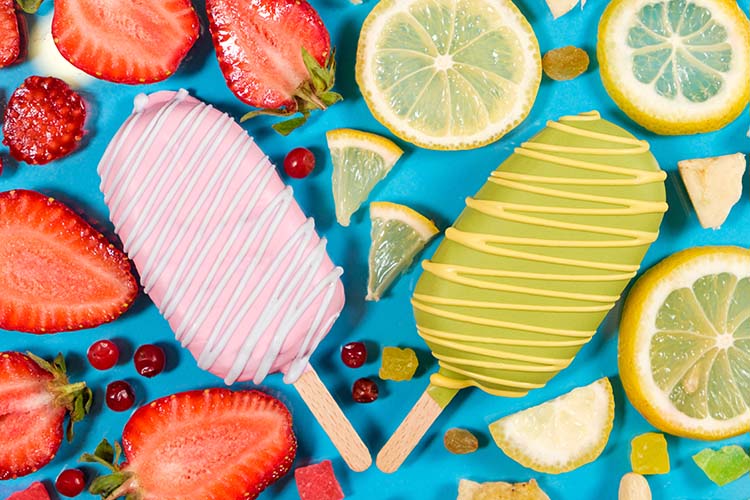
Frozen desserts - Citri-Fi citrus fiber minimizes ice crystallization and improves creamy mouthfeel

Frozen Desserts: Warm up to Functional Health

Better-for-you frozen desserts is considered a paradox driven by GLP-1 diets, the plant-based shift and the clean label movement. However, formulating for these types of frozen delights comes with challenges. One all-natural solution, Citri-Fi® citrus fiber, binds water and oil to improve the stability and nutrition of GLP-1 friendly and dairy-free frozen desserts. Because Citri-Fi is an upcycled food ingredient, this citrus fiber tells an environmentally friendly and transparent story from farm to fork.

Jumbo shrimp! Bittersweet! Fresh frozen! How many times have you raised your brow reading food packaging that contradicts itself? These phrases roll off your tongue with poetic grace but stump your inner intellect. And how about guilt-free indulgences such as healthier frozen desserts? Yes, the gratifying sweet morsels quells the palate but not the waistline now can be better-for-you. Key market trends driving this paradox include GLP-1 diets, the plant-based shift and the clean label movement .

Metabolic Health: GLP-1 Friendly and Healthy Decadence

GLP-1 dieters are crusading this evolving metabolic wellness trend by demanding more nutrient-dense foods. Two key formulating strategies to develop GLP-1 friendly foods include protein-enrichment and invisible fiber fortification. This dual approach creates products that provide satiety, muscle mass preservation, and sustained energy. At the same time, these GLP-1 diet foods come with formulating challenges which affect shelf stability, texture and overall tastiness.

Citri-Fi® citrus fiber, which is produced from byproduct of the citrus juicing process, can be used at low levels (<1%) to provide stability, texture and nutrition to a variety of frozen desserts including high protein ice cream pints, yogurt-based pops and protein-enriched gelatos. Citri-Fi binds the water to minimize ice crystallization. As a result, frozen desserts remain creamy, non-gritty and smooth during freeze/thaw cycles. Citri-Fi also improves other types of GLP-1 friendly foods which can be read here.

Plant-based Dairy Desserts: Animal-free But Dairy-like

Frozen dairy alternatives continue to be a mainstream indulgence. In addition to the mentioned GLP-1 lifestyle, consumers gravitate toward plant-based frozen desserts for various reasons including health, clean label and curiosity. For instance, shoppers explore next-gen dairy-free bases used in ice cream today such as potato milk, fava bean and tiger nuts. Dairy-free frozen desserts do not harbor the saturated fats typically found in dairy-based counterparts. Because of this, consumers seek out dairy substitutes to manage their cardiovascular health. However, formulating dairy-free frozen foods comes with its own issues.

Frozen desserts using bases that contain no dairy typically need additional food ingredients to help bind water and fat to prevent separation and ice crystallization. Generally, food gums are used to improve the stability. However, some stabilizing systems have fallen out of favor due to the clean label movement. An all-natural option, such as Citri-Fi citrus fiber, contains large portions of intact native pectin that binds the water during freeze/thaw cycles. The end product results in a creamy scoop-able frozen dessert. Citri-Fi tends to mimic the mouthfeel of dairy fat so that this citrus fiber can also be used in both reduced-fat dairy-based and dairy-free versions.

Natural Processing: Clean Chemistry, Clean Label and Clean Conscious

Lastly, consumers prefer frozen desserts formulated with recognizable ingredients. The number of food ingredients also plays a role in the purchasing decision. Minimalist labels tend to win out as they gleam toward a more natural look. In addition, the subtle environmental guilt when purchasing foods now puts more emphasis on farm to fork. Consumers value foods containing sustainable ingredients sourced using a transparent supply chain.

Since numerous frozen desserts are formulated with stabilizing systems, which stack up the ingredient list, formulators are seeking natural functional replacements like Citri-Fi citrus fiber. This natural food ingredient is recognizable and provides the dual functionality of water holding and emulsification. Because of these properties, Citri-Fi can potentially replace multiple ingredients shortening the ingredient statement. And since Citri-Fi is a byproduct of the citrus juicing industry, it is considered an upcycled food ingredient with a transparent supply chain. Product developers can formulate using less than 1% Citri-Fi citrus fiber while improving the stability, texture and nutrition of frozen desserts.

Other Citri-Fi benefits include Non-GMO verified, allergen-free and gluten-free. Now, certified organic citrus fiber is available, Citri-Fi 400 series. Labeling options include citrus fiber, dried citrus pulp or citrus flour which all resonate well in the natural markets.

Read more →

Global Food Trends in 2026 - Health, Traditional Foods and Sustainability

Global Food Trends in 2026

The global food trends in 2026 include improving health, preserving traditional food and supporting sustainability. Whether it is pumping foods with protein or creating authentic regional culinary pastes, Citri-Fi® citrus fiber’s high water holding and emulsification properties can improve the texture, stability and nutrition of a variety of food and beverages.

Global food trends point to wellness, heritage eating and sustainability in 2026. But what does wellness mean in the food industry? Why are consumers reverting back to traditional foods? And what sustainability initiatives are shaping how food is developed? The world is massive but at the same time, it shares common culinary trends and food processing shifts. Let’s take a look at some of the regional market dynamics shaping up the global food trends in 2026.

North America: Health, Protein, Heritage and Sustainability Food Trends

The word-of-the-year is protein. Protein enrichment is seizing the food industry from beverages to breads. One of the key drivers propelling the U.S. and Canada’s protein foods points to the GLP-1 weight loss drugs. These dream prescriptions are melting away pounds from weight-challenged individuals. Because of these miracle remedies, GLP-1 consumers are eating less and seeking out nutrient-dense foods. As a result, product developers are stuffing protein in every food option imaginable, cutting the portion size and spitting out new products in the market with lightening speed. At the same time, protein fortification as a health trend comes with formulation challenges.

Adding protein to foods like bread, sauces and beverages alters the texture and stability of the food. Product developers need to re-formulate these foods using additional hydrocolloids likes starches and food gums to control water movement. At the same time, Citri-Fi citrus fiber, known for its high water holding and emulsification properties, is an alternative to hydrocolloids that can improve the quality of protein-rich foods. Citri-Fi citrus fiber’s benefits at low usage levels, <1%, can improve the texture, stability and nutrition of food and beverages.

The North American folk's attention to health and wellness also spearheaded a gastronomic movement involving heritage eating. In other words, consumers seek out foods that are back-to-basics or back to traditional food sources. For example, consumers are cooking classic dishes from their ethnic roots or adding more fermented foods into their daily mix. And this health and wellness and artisanal dining trend includes the focus on sustainability. Environmentally friendly food choices now entail food source transparency, food packaging reuse and food waste reduction. All of these elements are shaping the global food trends of 2026.

South America: Environment, Ancestral Eats, and Social Food Trends

Point your compass south and gallop over 4,000 miles to Latin America. Food trends range from ancestral eating to social dining followed by sustainable sourcing. Foodies are reverting back to traditional food staples like root vegetables such as aria, mashua, yacon and arracacha. Other examples include incorporating Melipona honey to drinks and the use of unsweetened acai in savory dishes.

In addition to celebrating authentic foods, folks are choosing family style or socially shareable foods in the spirit of mindful experiences. Nothing can substitute the happiness of breaking bread with family and friends. At the same time, LATAM consumers are also demanding healthy and clean ingredients. Gone are the days of ultra processed foods and imitation bites. Consumers are seeking naturally nutritious ingredients such as legumes, grains and vegetables.

However, creating home-style foods that are ready-to-eat require some natural ingredients to prevent water or oil separation. Regardless if the offering is refrigerated or frozen, food texture is affected from water migration. Citri-Fi citrus fiber’s high water holding helps bind that moisture to keep bread moist and sauces smooth and stable over time. Citri-Fi is created from citrus peel byproduct of the citrus juicing operations. Because of this process, which is free from chemical modifications, Citri-Fi is a sustainable food ingredient. This natural ingredient’s labeling options include citrus fiber, dried citrus pulp or citrus flour which resonate well in the natural markets.

Europe: Clean Ingredients, Gut Health, Plant Foods and Sustainability

Across the pond in Europe, consumers are preferring more fibre options in lieu of protein. Gut health resurfaced in the limelight triggering purchases to be tummy feeling good. However, the GLP-1 phenomena also attracted many to jump on the weight loss bandwagon. Smaller portion sizes and a healthier mix including fermented foods for gut health is the new normal. While plant-based foods fizzled out in the U.S., Europe is full steam ahead creating new dairy-free products  and meat alternatives using ingredients like mushrooms, pulses and heritage grains.

In addition to the gut healthy, fermented and plant-based foods, the market is still demanding clean label and transparency. Foods free from e-number ingredients and ultra processing is just part of the tall order. With sustainability, a global interest, Europeans are too looking to improve their carbon footprint in all directions. For instance, the frozen food popularity is increasing due to its perceived waste-reducing or zero waste option.

One food ingredient solution that checks all the boxes is Citri-Fi citrus fiber. It is a go-to formulating tool for the latest GLP-1 foods. This natural citrus fiber controls syneresis in protein-rich yogurts to moisture retention in nutrient-dense breads. The fibrous matrix locks in water and oil to prevent water migration during freeze/thaw of frozen foods. This sustainable citrus fiber has no e-number making it an ideal clean label food ingredient to improve a variety of foods and beverages.

Asia- Pacific – Chewy Textures, Authentic Pastes, and Indigenous Foods

Though health and sustainability are on top of most corporate minds globally, the Asian-Pacific consumer base is homing in on texture food trends in 2026. These foodies are coveting more chewy, springy and bouncy textures across all food segments. Confection is not candy unless it is chewy. Mochi is not a dessert without the spring. Chewy textures rely on food starches and gums. However, there are other sustainable solutions available like Citri-Fi citrus fiber. The fiber binds the water to aid in the springy texture. Or this sustainable citrus fiber can be used to dust the outside of chewy items to prevent sticking if it is a gummy-like product.

On the other hand, consumers are also favoring regional expression by returning to their roots. Again, this is a common global food trend slated for 2026. Consumers are cooking up regional fermented pastes that are like the DNA backbone to villages and towns. Many times, these pastes use expensive and/or limited available ingredients. By using natural food ingredients like Citri-Fi citrus fiber, pastes can be extended while still preserving the targeted flavor and natural texture.

The world is full of a diverse population. However, at the end of the day, many global food trends in 2026 highlight what matters most in peoples’ minds and hearts. Health, heritage and home are the commonalities that connect each one of us. Whether it is improving overall wellbeing, preserving tradition or caring for our home (the planet), formulating with citrus fiber is an efficient and effective solution.

For more information about how Citri-Fi citrus fiber can improve your food formulation goals, please contact us.

Read more →

GLP-1 Users look for protein enhancement in foods. Citrus fiber is ideal to improve texture and stability.

Protein Enhancement: Citrus Fiber Power

Protein fortification has been on-going for decades from energy seekers to body builders. Today, the GLP-1 users are shaping the protein enhancement trends in various foods like beverages, bakery and yogurts. However, protein comes with its own set of formulating challenges. Citri-Fi® citrus fiber provides water binding and emulsification which aid in improving protein-packed food's texture, stability and nutrition.

Years ago, protein as an ingredient made its main debut via nutrition bars. Trendy as they were, protein bars were a staple found in hikers’ backpacks, kids’ school lunches and the top drawers of office desks. Protein promised energy in the form of a convenient meal replacement. And then the supplement industry cashed in on the protein craze by creating hype around building and restoring muscle. Cheese-making byproduct, such as whey, found a home in protein powders and RTD protein drinks that filled this market need. However, today’s protein enhancement trends revolve around the GLP-1 movement, satiety and healthy aging.

GLP-1 Formulating Trends

GLP-1, which stands for glucagon-like peptide-1, are new weight loss drugs that are the talk of the century. These pharma inventions promise pounds to fly off the waist and thighs. This is due to the GLP-1 users embracing new eating habits which include reducing portion size and increasing the intake of nutrient dense foods. The two healthy ingredients on the red carpet in response to this trend are protein and dietary fiber. Both of these ingredients are commonly found in protein formulations designed for these dieters.

Consumers using the GLP-1 drugs are seeking out products that contain high sources of protein. As a result, food manufacturers responded by pumping protein into conventional food formats like beverages, bakery items, frozen foods, breakfast cereals and pasta. However, each food format has their own protein strategy. And because of this, protein enhancement in foods comes with a range of challenges.

Boosting Beverages: Protein and Fiber

Fortified drinks is one of the common formats for protein enhancement. Beverage makers are supplementing various beverages with proteins like dairy-based whey in milks, sodas and even coffees. At the same time, the heat used in thermal processing to make beverages shelf stable, can unwind protein strands. As a result, this denaturation of the protein causes gelling, cloudiness and sedimentation. Broken down protein composition creates an undesirable chalky and grainy mouthfeel. And if this beverage is plant-based, the added protein can create flocculation (clumping) or creaming.

One fiber-based solution to this dilemma is Citri-Fi citrus fiber. This upcycled ingredient is byproduct of the citrus juicing process. At low usage levels (<1%), Citri-Fi can improve the stability of protein-enriched RTD beverages like shakes or smoothies due to its water binding and emulsification properties. In addition, this natural citrus fiber can improve the creamy and full body mouthfeel of plant-based beverages.

To Better Protein-enhanced Bakery with Citrus Fiber

Baked goods is another protein enriching category. Many GLP-1 users still gravitate toward breads, muffins and bagels during mealtime. However, there are a variety of proteins that are typically used such as whey, milk protein concentrate, soy proteins and isolates, pea protein, fava proteins and egg whites to name a few. Bakers struggle with protein fortification because protein loves to compete for water. It tends to create dry, dense and crumbly bread structures. This is due to the protein diluting the gluten innately found in the flour. When the gluten matrix is loosened, then the dough is weaker causing gas to not be trapped. As a result, this negatively affects the volume and crumb of the protein-enhanced bread.

There are a few workarounds such as adding more water, adjusting the processing parameters and bake times and using a blend of different protein sources. Another solution is incorporating Citri-Fi citrus fiber at low usage rates (<1%). As mentioned, this citrus fiber binds water and provides emulsification. As a result, breads tend to retain moisture over time giving it a fresh appeal over shelf life.

Protein-packed and Stable Textured Yogurts

One last food format that innately contains protein due to its dairy or plant-derived bases is yogurt. Yogurt is the poster child for health and wellness. Despite its fame, producers are loading yogurts up with even more protein. Some achieve this by using different processing such as strained yogurts which become Greek-style yogurts with higher protein concentrations. Alternatively, others are adding in milk protein concentrate, whey protein, casein and/or skim milk powders to boost the protein content. But, added protein weakens the gel structure. As a consequence, water weeps out of the protein matrix and causes syneresis. In other words, the water separates from the yogurt and pools on the top.

Other issues using ingredients in the protein space include grainy or chalky mouthfeels and excessive thickening. And due to the thermal processing used in creating yogurts, protein strands can denature and create separation. Many yogurt formulators use stabilizers to solve these issues. However, some of these stabilizers are not perceived to be label friendly. One solution for protein-enhanced yogurts is to use Citri-Fi citrus fiber. The water binding and emulsification power aids in minimizing the water separation. Because of this, protein packed yogurts are thick, smooth and creamy. Citri-Fi improves dairy-based and plant-based protein-enriched yogurts.

Protein-infused Foods: Now and Later

The protein wave will continue to be fueled by not only the GLP-1 users but also those consumers seeking energy, healthy aging and sustenance. For now, product developers are building the formulation road map for protein fortified foods.

In the future, the anticipation is that AI (artificial intelligence) will reduce the trial and error of developing these foods. And with continued nutrition research, food manufacturers and academia will create more science around protein bioavailability and the physiological effects of consuming various proteins. This will aid in producing the most efficient protein solution to improve the consumer’s life.

Citri-Fi citrus fiber is an ideal tool which can be key in formulating in the protein space to achieve protein enhancement. This natural citrus fiber is non-GMO Project certified, allergen-free and gluten-free. There is no e-number which is ideal for certain regions like Europe. And labeling include citrus fiber, dried citrus pulp or citrus flour which resonate well in the clean label markets.

For more information, please contact us.

Read more →

IFT Market Trends - Healthy and Citri-Fi Citrus Fiber

2025 IFT Market Trends: Healthy Five Ways

The 2025 IFT Expo’s underlying theme was health and wellness. Many mini-trends fell under this umbrella including natural, clean label, GLP-1, sugar reduction and plant-based proteins. Regardless of the trend, Citri-Fi® citrus fiber can improve food products designed to address the IFT market trends due to its high water holding and emulsification properties.

Despite my multi-year hiatus attending the IFT Annual Expo, I discovered that IFT still organizes a powerful event that addresses the food industry’s opportunities and challenges. Years ago, the annual expo unveiled a mixed bag of industry trends. However, this year, one megatrend encapsulated the entire floor – health and wellness. Every booth regardless of the ingredient or service had some tie to the trend. Many health-related microtrends fell under this umbrella including natural, clean label, GLP-1, sugar reduction and plant-based proteins. The key takeaway for me was that Citri-Fi citrus fiber’s natural status and superior functionality fit each one of the IFT market trends.

Natural Food Ingredients, Simple and Clean Label

Years ago, clean label was a suggestion. Today, it is a mainstream expectation amongst consumers. If an IFT exhibitor did not have any reference to these coined terms painted in their booth, the ingredients fell suspect. In many cases, these ingredient companies touted their ingredient’s stellar performance or their company’s 100-year plus history to make up for the fact that they were not clean and natural.

Citri-Fi citrus fiber, which is produced from byproduct of the citrus juicing industry, fits the natural and clean label definition. Formulators benefit from using this citrus fiber at low usage levels (<1%) to improve the texture, stability and nutrition of a variety of food products. At the same time, Citri-Fi’s labeling options which include citrus fiber, dried citrus pulp or citrus flour resonate well in the natural markets.
Formulating GLP-1 Foods: Protein and Fiber

Various companies promoted their ingredients in GLP-1 foods which was one of the IFT market trends. The protein and fiber producers were on top of their game showcasing concepts addressing this fast-growing formulation phenomenon. However, all product developers know that adding protein and dietary fiber is a balancing act when formulating food products. Because of this, formulators lean on stabilizers, emulsifiers, and other texturants to make a tasty food item.

As mentioned in our GLP-1 snippet Formulating GLP-1 Foods using Citrus Fiber - Fiberstar, Inc., Citri-Fi is one of the best natural functional fibers to support GLP-1 products. In addition, it is an ideal formulating tool to improve the texture and stability of GLP-1 foods like fermented yogurts, frozen meals containing sauces and dairy-based protein drinks. Citri-Fi registers as a dietary fiber so its caloric contribution is smaller versus other texturizers like food starches. This natural food ingredient’s dual functionality – water holding and emulsification – simplifies food labeling. For instance, Citri-Fi can replace two or more ingredients while still maintaining the taste and texture.

Sugar Reduction and Sugar Alternative Solutions

This trend has evolved over the past few decades. First it was cane sugar and then artificial sweeteners hit the market like aspartame, sucralose and a few more in-between. Who remembers when NutraSweet gumballs were mailed out across the USA promoting aspartame? Five balls came in a single line package. And then the market got squirrely about synthetics. As a result, natural zero-calorie sweeteners like stevia launched followed by monk fruit and allulose.

Regardless of the sugar reduction tactic, developers still had to address the challenges that came with low to no sugar food formulations. Once again, texturizers and stabilizers played a significant role. Citri-Fi citrus fiber also is another formulating tool for sugar-reduced foods. For example, in low sugar yogurts, Citri-Fi binds the water to prevent syneresis during shelf-life. As a result, yogurts remain thick and creamy with a natural mouthfeel.

Plant-based Proteins – Beyond Meat Substitutes

Market analysts continue to report on the sagging meat substitute market. However, plant-based proteins were a top IFT market trend. One of the thriving animal-free products still capturing market share from the dairy industry is plant-based milks. The few market leaders have not deterred start-ups from offering new innovative dairy-free products. In addition to plant milks, other dairy alternatives including yogurts, spreads, sauces and frozen desserts still command plant-based proteins.

Being naturally plant-based, Citri-Fi citrus fiber serves as an ideal ingredient to improve the texture, stability and natural creamy mouthfeel of various plant-based products. This includes not only dairy-free foods but also meat substitutes. The Citri-Fi portfolio includes citrus fibers that bind oil and water to create the juicy texture in addition to coarse particulate versions simulating a meaty bite.

Final Thoughts: Citrus Fiber, an Ultimate Formulating Tool

Citri-Fi citrus fiber improves the quality and nutrition of a variety of food and beverages. Its low usage level (<1%) makes it an efficient food ingredient to use. The fiber health halo and the clean label status should motivate any product developer to trial this functional ingredient. In addition to superior performance, Citri-Fi is also non-GMO Project certified, allergen-free and gluten-free. This natural food ingredient does not have an e-number which is relevant to regions like Europe. And now, USDA certified organic versions are available – Citri-Fi 400 series.

For more information about Citri-Fi citrus fiber, please contact us.

Read more →

Formulating GLP-1 foods using Citri-Fi citrus fiber

Formulating GLP-1 Foods using Citrus Fiber

GLP-1 drugs entered the limelight promising weight loss to handfuls of overweight and/or diabetic consumers. Despite shedding the pounds, consumers also grapple with finding healthier foods tailored to their new diet regime. Two ingredients, fiber and protein, are staple ingredients when formulating GLP-1 foods. This includes upcycled Citri-Fi® citrus fiber, which at low usage levels (<1%), binds water and oil to improve texture, stability and nutrition in a variety of foods like nutritional bars, protein shakes, yogurts and frozen meals.

Another miracle worker pill joined the cluster of weight loss products and services. But this time, the class of GLP-1 drugs or GLP-1 receptor agonists hit the public eye due to its speedy results – shedding the unwanted pounds. GLP-1 stands for glucagon-like peptide-1. This hormone resides naturally in the human body. Not only does it help regulate blood sugar and suppress the appetite, but there are also other benefits which include slowing the digestive process. As a result, people feel fuller for longer.

Several of these GLP-1 drugs hit the U.S. market including Wegovy, Ozempic and Mounjaro. They each have their own physiological mechanism which aids in achieving the end goal of losing weight. However, despite this magic bullet’s weight loss promise and catchy commercial jingles, GLP-1 consumers quickly realized that their previous diet needed to be tailored to their new drug regime. Formulating GLP-1 friendly foods opened the door for opportunities.

The GLP-1 Effects on the Food Industry

Currently, the verdict is out whether this new pharma invention will impact food and beverage sales. Some companies decided to play the wait and see game. While others embraced the market opportunity and launched new products. But why would companies be on edge with this wonder drug?

First off, since GLP-1 drugs slow down the gastric emptying, consumers tend to eat smaller portion sizes. When one does the math, reducing the portion size equates to lower food and beverage sales. Another effect of the drug is that consumers are not reaching for high caloric, low nutrient dense foods like savory or sweet snacks, alcoholic drinks or sweetened beverages. They prefer healthier options. Because of this, GLP-1 consumers are shopping the outer edges of grocery stores looking for whole and nutritious foods versus processed foods. And for those who want healthier versions of their previous diet, they are seeking out GLP-1 foods created specifically with them in mind.

Secondly, this new drug line creates some uncertainty for the weight loss product world. These include products such as nutritional bars, frozen meals, shakes and powdered drinks. Either the companies will need to re-formulate to make their products more GLP-1 friendly or create new product lines specifically targeting this market.

Formulating GLP-1 Foods: Protein and Fiber      

This group of consumers tend to limit their refined carbohydrates and fat intake and focus more on the fortification of the foods. The key ingredients in GLP-1 foods are protein and fiber. The dietary fiber helps consumers feel satiated and aids in healthy digestion. Alternatively, the protein also helps with the feeling of fullness, but, it plays another crucial role in the new diet.

GLP-1 weight loss does not just target undesirable fat. It also leads to incidental muscle loss. And in elders, this can exacerbate a condition called sarcopenia. Therefore, formulating GLP-1 foods needs to incorporate dietary fiber and high levels of protein to help consumers improve their overall wellbeing. In addition, other food ingredients such as biotics, electrolytes and zero calorie sweeteners are other formulating tactics to improve the overall nutritional profile of GLP-1 foods. Sought out foods include eggs, nuts, legumes and unsweetened yogurts.

GLP-1 Ingredients Weigh in Citrus Fiber

Dietary fiber, being a panacea ingredient, comes in various forms. They differ by botanical source, processing methods and composition. Citri-Fi is an upcycled fiber from the citrus juicing industry. The process, which is free from chemical modifications, opens up the fiber to create high water holding and emulsification properties. Because of this dual functionality, Citri-Fi can improve the texture, stability and nutrition of a variety of food and beverage formats.

When formulating GLP-1 friendly food, Citri-Fi can enhance the eating experience while still staying within the consumer diet parameters. For instance, protein shakes are a popular go-to meal replacement or snack for GLP-1 consumers. Citri-Fi citrus fiber, at less than 1% usage, creates additional viscosity and creamy texture without the use of food gums or starches. As a result, the food labeling stays clean.

Dairy products such as yogurts are another preferred food staple due to its innate healthy halo and inherent protein content. In some cases, manufacturers are enhancing yogurts to contain additional protein. At the same time, yogurts suffer syneresis or water separation during storage. Hydrocolloids like pectin, carrageenan, guar gum and modified food starch are typically used to minimize syneresis. However, a clean label option is Citri-Fi citrus fiber. At low usage levels, this citrus fiber binds the water to control syneresis over time. Due to its small granular size, Citri-Fi creates a creamy and thick texture.

Another popular GLP-1 food comes in the form of a frozen meal. Many of these food items rely on dressings and sauces to create a flavorful eating experience. However, the freeze/thaw cycle tends to break down sauces which causes water and/or oil to separate. Citri-Fi, at low usage levels, can bind the water and/or oil to create a stable sauce during heating and freeze/thaw storage conditions.

Besides being a dietary fiber, Citri-Fi is also non-GMO Project certified, allergen-free and gluten-free. There is a USDA certified organic version, the Citri-Fi 400 series, which provides the same benefits as the flagship 100 series. Labeling options include citrus fiber, dried citrus pulp or citrus flour which can be used when formulating GLP-1 foods.

Counting Calories or Counting Days

Will GLP-1 drugs be the blockbuster marvel for years to come? Consumers will be the ultimate barometers when it pertains to the effectiveness of weight loss drugs. It will take some time for these new drugs to be vetted by the public. In the meantime, some food companies that jump on the product development bandwagon may reap the short-term financial payouts. On the other hand, other companies may count the days anticipating a shake-out before investing. For those food and beverage companies willing to take the gamble, ingredients like Citri-Fi citrus fiber are available to shorten the development time, improve the quality and clean up the labels.

For more information, please contact us.

Read more →