Email Us info@fiberstar.net
Call Us +1 (715) 425-7550
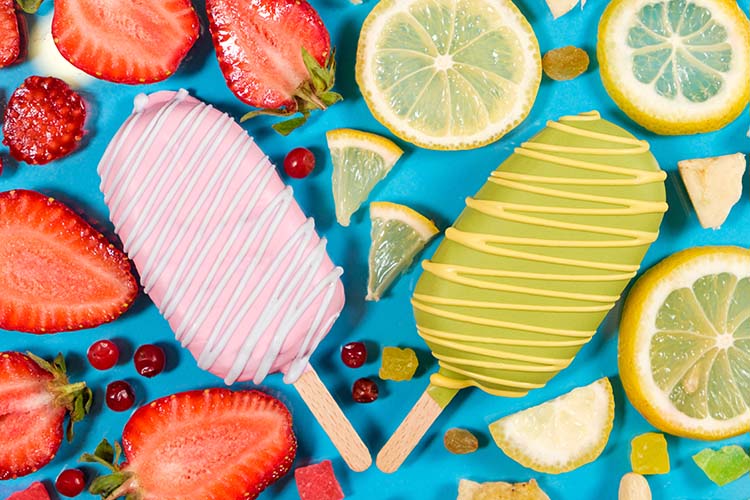
Frozen desserts - Citri-Fi citrus fiber minimizes ice crystallization and improves creamy mouthfeel

Frozen Desserts: Warm up to Functional Health

Better-for-you frozen desserts is considered a paradox driven by GLP-1 diets, the plant-based shift and the clean label movement. However, formulating for these types of frozen delights comes with challenges. One all-natural solution, Citri-Fi® citrus fiber, binds water and oil to improve the stability and nutrition of GLP-1 friendly and dairy-free frozen desserts. Because Citri-Fi is an upcycled food ingredient, this citrus fiber tells an environmentally friendly and transparent story from farm to fork.

Jumbo shrimp! Bittersweet! Fresh frozen! How many times have you raised your brow reading food packaging that contradicts itself? These phrases roll off your tongue with poetic grace but stump your inner intellect. And how about guilt-free indulgences such as healthier frozen desserts? Yes, the gratifying sweet morsels quells the palate but not the waistline now can be better-for-you. Key market trends driving this paradox include GLP-1 diets, the plant-based shift and the clean label movement .

Metabolic Health: GLP-1 Friendly and Healthy Decadence

GLP-1 dieters are crusading this evolving metabolic wellness trend by demanding more nutrient-dense foods. Two key formulating strategies to develop GLP-1 friendly foods include protein-enrichment and invisible fiber fortification. This dual approach creates products that provide satiety, muscle mass preservation, and sustained energy. At the same time, these GLP-1 diet foods come with formulating challenges which affect shelf stability, texture and overall tastiness.

Citri-Fi® citrus fiber, which is produced from byproduct of the citrus juicing process, can be used at low levels (<1%) to provide stability, texture and nutrition to a variety of frozen desserts including high protein ice cream pints, yogurt-based pops and protein-enriched gelatos. Citri-Fi binds the water to minimize ice crystallization. As a result, frozen desserts remain creamy, non-gritty and smooth during freeze/thaw cycles. Citri-Fi also improves other types of GLP-1 friendly foods which can be read here.

Plant-based Dairy Desserts: Animal-free But Dairy-like

Frozen dairy alternatives continue to be a mainstream indulgence. In addition to the mentioned GLP-1 lifestyle, consumers gravitate toward plant-based frozen desserts for various reasons including health, clean label and curiosity. For instance, shoppers explore next-gen dairy-free bases used in ice cream today such as potato milk, fava bean and tiger nuts. Dairy-free frozen desserts do not harbor the saturated fats typically found in dairy-based counterparts. Because of this, consumers seek out dairy substitutes to manage their cardiovascular health. However, formulating dairy-free frozen foods comes with its own issues.

Frozen desserts using bases that contain no dairy typically need additional food ingredients to help bind water and fat to prevent separation and ice crystallization. Generally, food gums are used to improve the stability. However, some stabilizing systems have fallen out of favor due to the clean label movement. An all-natural option, such as Citri-Fi citrus fiber, contains large portions of intact native pectin that binds the water during freeze/thaw cycles. The end product results in a creamy scoop-able frozen dessert. Citri-Fi tends to mimic the mouthfeel of dairy fat so that this citrus fiber can also be used in both reduced-fat dairy-based and dairy-free versions.

Natural Processing: Clean Chemistry, Clean Label and Clean Conscious

Lastly, consumers prefer frozen desserts formulated with recognizable ingredients. The number of food ingredients also plays a role in the purchasing decision. Minimalist labels tend to win out as they gleam toward a more natural look. In addition, the subtle environmental guilt when purchasing foods now puts more emphasis on farm to fork. Consumers value foods containing sustainable ingredients sourced using a transparent supply chain.

Since numerous frozen desserts are formulated with stabilizing systems, which stack up the ingredient list, formulators are seeking natural functional replacements like Citri-Fi citrus fiber. This natural food ingredient is recognizable and provides the dual functionality of water holding and emulsification. Because of these properties, Citri-Fi can potentially replace multiple ingredients shortening the ingredient statement. And since Citri-Fi is a byproduct of the citrus juicing industry, it is considered an upcycled food ingredient with a transparent supply chain. Product developers can formulate using less than 1% Citri-Fi citrus fiber while improving the stability, texture and nutrition of frozen desserts.

Other Citri-Fi benefits include Non-GMO verified, allergen-free and gluten-free. Now, certified organic citrus fiber is available, Citri-Fi 400 series. Labeling options include citrus fiber, dried citrus pulp or citrus flour which all resonate well in the natural markets.

Read more →

Global Food Trends in 2026 - Health, Traditional Foods and Sustainability

Global Food Trends in 2026

The global food trends in 2026 include improving health, preserving traditional food and supporting sustainability. Whether it is pumping foods with protein or creating authentic regional culinary pastes, Citri-Fi® citrus fiber’s high water holding and emulsification properties can improve the texture, stability and nutrition of a variety of food and beverages.

Global food trends point to wellness, heritage eating and sustainability in 2026. But what does wellness mean in the food industry? Why are consumers reverting back to traditional foods? And what sustainability initiatives are shaping how food is developed? The world is massive but at the same time, it shares common culinary trends and food processing shifts. Let’s take a look at some of the regional market dynamics shaping up the global food trends in 2026.

North America: Health, Protein, Heritage and Sustainability Food Trends

The word-of-the-year is protein. Protein enrichment is seizing the food industry from beverages to breads. One of the key drivers propelling the U.S. and Canada’s protein foods points to the GLP-1 weight loss drugs. These dream prescriptions are melting away pounds from weight-challenged individuals. Because of these miracle remedies, GLP-1 consumers are eating less and seeking out nutrient-dense foods. As a result, product developers are stuffing protein in every food option imaginable, cutting the portion size and spitting out new products in the market with lightening speed. At the same time, protein fortification as a health trend comes with formulation challenges.

Adding protein to foods like bread, sauces and beverages alters the texture and stability of the food. Product developers need to re-formulate these foods using additional hydrocolloids likes starches and food gums to control water movement. At the same time, Citri-Fi citrus fiber, known for its high water holding and emulsification properties, is an alternative to hydrocolloids that can improve the quality of protein-rich foods. Citri-Fi citrus fiber’s benefits at low usage levels, <1%, can improve the texture, stability and nutrition of food and beverages.

The North American folk's attention to health and wellness also spearheaded a gastronomic movement involving heritage eating. In other words, consumers seek out foods that are back-to-basics or back to traditional food sources. For example, consumers are cooking classic dishes from their ethnic roots or adding more fermented foods into their daily mix. And this health and wellness and artisanal dining trend includes the focus on sustainability. Environmentally friendly food choices now entail food source transparency, food packaging reuse and food waste reduction. All of these elements are shaping the global food trends of 2026.

South America: Environment, Ancestral Eats, and Social Food Trends

Point your compass south and gallop over 4,000 miles to Latin America. Food trends range from ancestral eating to social dining followed by sustainable sourcing. Foodies are reverting back to traditional food staples like root vegetables such as aria, mashua, yacon and arracacha. Other examples include incorporating Melipona honey to drinks and the use of unsweetened acai in savory dishes.

In addition to celebrating authentic foods, folks are choosing family style or socially shareable foods in the spirit of mindful experiences. Nothing can substitute the happiness of breaking bread with family and friends. At the same time, LATAM consumers are also demanding healthy and clean ingredients. Gone are the days of ultra processed foods and imitation bites. Consumers are seeking naturally nutritious ingredients such as legumes, grains and vegetables.

However, creating home-style foods that are ready-to-eat require some natural ingredients to prevent water or oil separation. Regardless if the offering is refrigerated or frozen, food texture is affected from water migration. Citri-Fi citrus fiber’s high water holding helps bind that moisture to keep bread moist and sauces smooth and stable over time. Citri-Fi is created from citrus peel byproduct of the citrus juicing operations. Because of this process, which is free from chemical modifications, Citri-Fi is a sustainable food ingredient. This natural ingredient’s labeling options include citrus fiber, dried citrus pulp or citrus flour which resonate well in the natural markets.

Europe: Clean Ingredients, Gut Health, Plant Foods and Sustainability

Across the pond in Europe, consumers are preferring more fibre options in lieu of protein. Gut health resurfaced in the limelight triggering purchases to be tummy feeling good. However, the GLP-1 phenomena also attracted many to jump on the weight loss bandwagon. Smaller portion sizes and a healthier mix including fermented foods for gut health is the new normal. While plant-based foods fizzled out in the U.S., Europe is full steam ahead creating new dairy-free products  and meat alternatives using ingredients like mushrooms, pulses and heritage grains.

In addition to the gut healthy, fermented and plant-based foods, the market is still demanding clean label and transparency. Foods free from e-number ingredients and ultra processing is just part of the tall order. With sustainability, a global interest, Europeans are too looking to improve their carbon footprint in all directions. For instance, the frozen food popularity is increasing due to its perceived waste-reducing or zero waste option.

One food ingredient solution that checks all the boxes is Citri-Fi citrus fiber. It is a go-to formulating tool for the latest GLP-1 foods. This natural citrus fiber controls syneresis in protein-rich yogurts to moisture retention in nutrient-dense breads. The fibrous matrix locks in water and oil to prevent water migration during freeze/thaw of frozen foods. This sustainable citrus fiber has no e-number making it an ideal clean label food ingredient to improve a variety of foods and beverages.

Asia- Pacific – Chewy Textures, Authentic Pastes, and Indigenous Foods

Though health and sustainability are on top of most corporate minds globally, the Asian-Pacific consumer base is homing in on texture food trends in 2026. These foodies are coveting more chewy, springy and bouncy textures across all food segments. Confection is not candy unless it is chewy. Mochi is not a dessert without the spring. Chewy textures rely on food starches and gums. However, there are other sustainable solutions available like Citri-Fi citrus fiber. The fiber binds the water to aid in the springy texture. Or this sustainable citrus fiber can be used to dust the outside of chewy items to prevent sticking if it is a gummy-like product.

On the other hand, consumers are also favoring regional expression by returning to their roots. Again, this is a common global food trend slated for 2026. Consumers are cooking up regional fermented pastes that are like the DNA backbone to villages and towns. Many times, these pastes use expensive and/or limited available ingredients. By using natural food ingredients like Citri-Fi citrus fiber, pastes can be extended while still preserving the targeted flavor and natural texture.

The world is full of a diverse population. However, at the end of the day, many global food trends in 2026 highlight what matters most in peoples’ minds and hearts. Health, heritage and home are the commonalities that connect each one of us. Whether it is improving overall wellbeing, preserving tradition or caring for our home (the planet), formulating with citrus fiber is an efficient and effective solution.

For more information about how Citri-Fi citrus fiber can improve your food formulation goals, please contact us.

Read more →

IFT Market Trends - Healthy and Citri-Fi Citrus Fiber

2025 IFT Market Trends: Healthy Five Ways

The 2025 IFT Expo’s underlying theme was health and wellness. Many mini-trends fell under this umbrella including natural, clean label, GLP-1, sugar reduction and plant-based proteins. Regardless of the trend, Citri-Fi® citrus fiber can improve food products designed to address the IFT market trends due to its high water holding and emulsification properties.

Despite my multi-year hiatus attending the IFT Annual Expo, I discovered that IFT still organizes a powerful event that addresses the food industry’s opportunities and challenges. Years ago, the annual expo unveiled a mixed bag of industry trends. However, this year, one megatrend encapsulated the entire floor – health and wellness. Every booth regardless of the ingredient or service had some tie to the trend. Many health-related microtrends fell under this umbrella including natural, clean label, GLP-1, sugar reduction and plant-based proteins. The key takeaway for me was that Citri-Fi citrus fiber’s natural status and superior functionality fit each one of the IFT market trends.

Natural Food Ingredients, Simple and Clean Label

Years ago, clean label was a suggestion. Today, it is a mainstream expectation amongst consumers. If an IFT exhibitor did not have any reference to these coined terms painted in their booth, the ingredients fell suspect. In many cases, these ingredient companies touted their ingredient’s stellar performance or their company’s 100-year plus history to make up for the fact that they were not clean and natural.

Citri-Fi citrus fiber, which is produced from byproduct of the citrus juicing industry, fits the natural and clean label definition. Formulators benefit from using this citrus fiber at low usage levels (<1%) to improve the texture, stability and nutrition of a variety of food products. At the same time, Citri-Fi’s labeling options which include citrus fiber, dried citrus pulp or citrus flour resonate well in the natural markets.

Formulating GLP-1 Foods: Protein and Fiber

Various companies promoted their ingredients in GLP-1 foods which was one of the IFT market trends. The protein and fiber producers were on top of their game showcasing concepts addressing this fast-growing formulation phenomenon. However, all product developers know that adding protein and dietary fiber is a balancing act when formulating food products. Because of this, formulators lean on stabilizers, emulsifiers, and other texturants to make a tasty food item.

As mentioned in our GLP-1 snippet Formulating GLP-1 Foods using Citrus Fiber - Fiberstar, Inc., Citri-Fi is one of the best natural functional fibers to support GLP-1 products. In addition, it is an ideal formulating tool to improve the texture and stability of GLP-1 foods like fermented yogurts, frozen meals containing sauces and dairy-based protein drinks. Citri-Fi registers as a dietary fiber so its caloric contribution is smaller versus other texturizers like food starches. This natural food ingredient’s dual functionality – water holding and emulsification – simplifies food labeling. For instance, Citri-Fi can replace two or more ingredients while still maintaining the taste and texture.

Sugar Reduction and Sugar Alternative Solutions

This trend has evolved over the past few decades. First it was cane sugar and then artificial sweeteners hit the market like aspartame, sucralose and a few more in-between. Who remembers when NutraSweet gumballs were mailed out across the USA promoting aspartame? Five balls came in a single line package. And then the market got squirrely about synthetics. As a result, natural zero-calorie sweeteners like stevia launched followed by monk fruit and allulose.

Regardless of the sugar reduction tactic, developers still had to address the challenges that came with low to no sugar food formulations. Once again, texturizers and stabilizers played a significant role. Citri-Fi citrus fiber also is another formulating tool for sugar-reduced foods. For example, in low sugar yogurts, Citri-Fi binds the water to prevent syneresis during shelf-life. As a result, yogurts remain thick and creamy with a natural mouthfeel.

Plant-based Proteins – Beyond Meat Substitutes

Market analysts continue to report on the sagging meat substitute market. However, plant-based proteins were a top IFT market trend. One of the thriving animal-free products still capturing market share from the dairy industry is plant-based milks. The few market leaders have not deterred start-ups from offering new innovative dairy-free products. In addition to plant milks, other dairy alternatives including yogurts, spreads, sauces and frozen desserts still command plant-based proteins.

Being naturally plant-based, Citri-Fi citrus fiber serves as an ideal ingredient to improve the texture, stability and natural creamy mouthfeel of various plant-based products. This includes not only dairy-free foods but also meat substitutes. The Citri-Fi portfolio includes citrus fibers that bind oil and water to create the juicy texture in addition to coarse particulate versions simulating a meaty bite.

Final Thoughts: Citrus Fiber, an Ultimate Formulating Tool

Citri-Fi citrus fiber improves the quality and nutrition of a variety of food and beverages. Its low usage level (<1%) makes it an efficient food ingredient to use. The fiber health halo and the clean label status should motivate any product developer to trial this functional ingredient. In addition to superior performance, Citri-Fi is also non-GMO Project certified, allergen-free and gluten-free. This natural food ingredient does not have an e-number which is relevant to regions like Europe. And now, USDA certified organic versions are available – Citri-Fi 400 series.

For more information about Citri-Fi citrus fiber, please contact us.

Read more →

Dressings, Sauces, Condiments - Citri-Fi Citrus Fiber Creates Stability, Natural Emulsifier, Creamy Texture, Clean Label

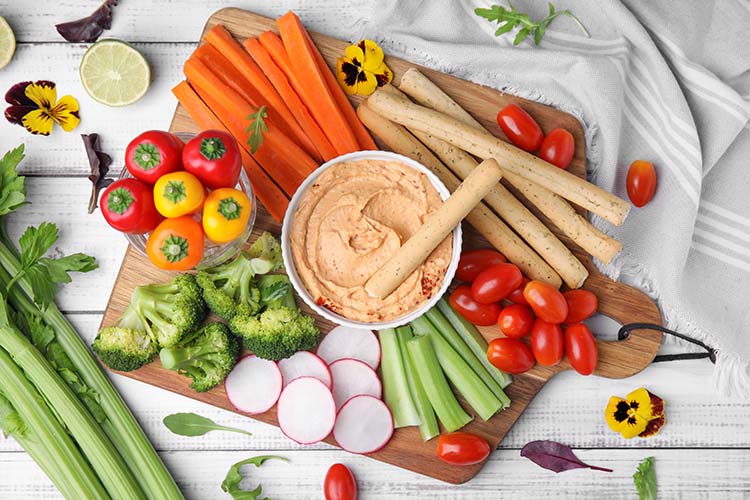
Plant-based Dips: A Party Game Changer

The dips category expanded outside the traditional salsa and ranch choices. Today, dips can be created using a variety of vegetables, legumes and nuts as bases. Like all dips, water loves to migrate during shelf-life causing separation challenges. Though traditional stabilizers aid in water control, there are new innovative clean label solutions such as Citri-Fi® citrus fiber that can improve the texture, nutrition, labeling and stability of plant-based dips.

A party is not complete without an assortment of flavorful dips to dress up the chips. In the past, the best party hostess would fan out the traditional guacamole, salsa and ranch. But, over the years, the dip category exploded into a medley of options. As a result, party planners now can offer a variety of plant-based dips including hummus, queso and tzatziki. These vegan dips are made dairy-free using different legumes, nuts or vegetables as bases.

Though plant-based dips can simulate dairy-based dips texture, taste and shelf-life, they too come with similar challenges. For example, water loves to migrate out of foods during shelf-life. Water separation looks like pooling on the top of the dip which is not preferred amongst consumers. If the dip does not contain ingredients that naturally bind the water and/or oil, then the product risks water separation which can affect the texture and taste over time.

Conventional Stabilizers: Pros and Cons

Many of these vegan dips require stabilizers to minimize the water separation. These stabilizers range from food gums, modified starches and other plant-based fibers. However, each of these ingredients have their own pros and cons. For instance, food gums bind the water efficiently. Yet, depending on the food gum, developers run the risk of creating gummy or slimy textures. Modified starches are another common viscosifier used in plant-based dips since they are low pH and heat stable. However, they too if not used correctly, can create pasty textures.

Plant-based fibers are another popular alternative to food gums and starches. However, depending on their composition, some of them contain large amounts of insoluble fiber. Because of this, the insoluble fiber may create a gritty texture especially at higher usage levels. On the other hand, one plant-based fiber that contains equal amounts of soluble and insoluble fiber is Citri-Fi. Citri-Fi is a citrus fiber which is produced from byproduct of the citrus juicing process.

Plant-based Dips Meet Plant-based Citrus Fiber

However, not all citrus fibers are created the same. Citri-Fi is produced using a patented process free from chemical modifications. Other citrus fibers on the market are byproducts of the pectin extraction process. Though considered an upcycled product, the material typically involves solvents and possibly other chemical modifications. The Citri-Fi citrus fiber's composition is left untouched like Mother Nature intended resulting in large amounts of native intact pectin. This high pectin content gives Citri-Fi its enhanced level of functionality – water holding and emulsification. Some citrus fiber suppliers add pectin back into their citrus fiber to achieve similar functionality.

Citri-Fi citrus fiber, specifically the new 600 series, provides added viscosity. As a result, plant-based dip developers can thicken up the dip by adding less than 1% of this citrus fiber while maintaining a natural texture. Additionally, the water binding capabilities minimizes water separation over shelf life which prevents surface pooling.

Typically, Citri-Fi is mixed in with the dry ingredients before being added to liquids. However, this upcycled citrus fiber can also be dispersed in oil first before water is added. If high shear is available, Citri-Fi can be added to the water first with strong agitation. This natural food ingredient provides similar benefits to other dressings, sauces and condiments. The low pH and heat stability makes it a go-to ingredient when creating high quality food products. Citri-Fi is also non-GMO Project certified, allergen-free and gluten-free. Labeling options include citrus fiber, dried citrus pulp or citrus flour which resonate well in the natural markets. Now, the Citri-Fi 400 series, which is USDA certified organic, is available. The 400 series is ideal for organic plant-based dips.

Endless Plant-based Dip Innovations

Now that plant-based dips continue to grow in popularity due to their health halo, formulating options are endless. Dips can be made from about any vegetable or fruit. Some of the recent innovations include using cauliflower, zucchini and legumes as bases. Another hot trend is hot and spicy profiled dips. Many dips are emerging using different plant bases with a twist of chipotle, habanero or other spicy peppers. Lastly, clean label will continue to drive new product launches in this category. Many of the cheaper dips are created using a significant amount of oil and stabilizers. Keeping labeling simple and clean is on top of every consumers mind especially when it comes to any plant-based foods and beverages.

Read more →

Plant-based Meats & Plant Sausage: Citri-Fi Replaces Methylcellulose, Improves Juiciness, Firm Texture and Meat-like Texture

Serving up Plant-based Sausage – Citrus Fiber

Sausage is a popular indulgence globally. Because of this manufacturers try to create their own plant-based sausages. Challenges include soft, mushy texture and oil purge. However, Citri-Fi® TX, a larger granular citrus fiber complements formulations to enhance the meat-like and firm texture. At 2% usage level, this natural ingredient improves the texture, taste and clean labeling.

Sausages are a favorite staple in many regions of the world. In the U.S., they pop up in a variety settings including backyard BBQs, festivals, sport stadiums, and state fairs. They are the perfect carriers when it comes to seasonings, flavors and even vegetable or fruit inclusions. As a result, they fit in any meal -morning, noon or night. Because of the popularity, many manufacturers tend to create their own plant-based sausage versions to offer the market more options.

However, producing a plant-based sausage comes with challenges. Animal-based sausages tend to be firm, meaty and slightly chewy due to the ratio of animal meat and fat chopped and formed together. The utopia combination is difficult to simulate using typical plant-based ingredients such as vegetable proteins, hydrocolloids and gluten. Many times, the sausage alternatives produce a soft and non-chewy bite. Depending on the formulation, some plant-based sausages purge oil which dries out the inner texture and in return reduces the flavor. Creating that comparable animal-based taste and texture using plant-based ingredients is the unicorn dilemma in formulating.

Meaty Plant-based Sausage using Texturized Citrus Fiber

There are many plant-based sausages on the market. And some come close to their animal-based counterparts. However, they still need that pinch of magic to improve their meat-like texture and firmness. This is where citrus fiber can make a big difference. Yet, not every citrus fiber is the same. Citrus fibers differ by pectin content, insoluble/soluble fiber composition and particle size. Most citrus fibers on the market are offered in small particle sizes. Those types may be great at holding water and emulsifying if they have high pectin content like the Citri-Fi 100 citrus fiber series. Though this may improve the juiciness, these small particle sizes rarely create the meat-like texture.

On the other hand, a larger sized granular citrus fiber, like Citri-Fi TX, enhances plant-based sausage’s meat-like texture and firmness. This natural ingredient complements other hydrocolloids. At the same time, Citri-Fi TX is not used to replace texturized plant protein which typically serves as the base of the food product. This texturizing citrus fiber is typically added to the dry ingredients like flavor, salt or sugar and then hydrated. Additional steps include shear and mixing with other ingredients to form an emulsion. If interested in a starting formulation and methods, please contact us for more details.

In the end, Citri-Fi TX at 2% produces a firmer and more meat-like texture. According to the Texture Analyzer results, using Citri-Fi TX increases the compression by 38% versus using no Citri-Fi TX. As a result, this demonstrates how Citri-Fi TX increases the firmness of the product. And sensory comparisons also indicate that Citri-Fi TX improves the meaty chew.

Additional Plant-based Benefits

Besides the meat-like texture and firmness, Citri-Fi TX provides additional benefits. This upcycled citrus fiber is produced from the citrus juicing process. Producing this food ingredient uses no chemical modifications which sets this citrus fiber apart from others on the market. Citri-Fi TX is non-allergenic, gluten-free and has no e-number which is desired by regions like Europe. Labeling options include citrus fiber, dried citrus pulp or citrus flour which all resonate well in the clean label markets.

To learn more about this plant-based sausage, please contact us.

Read more →

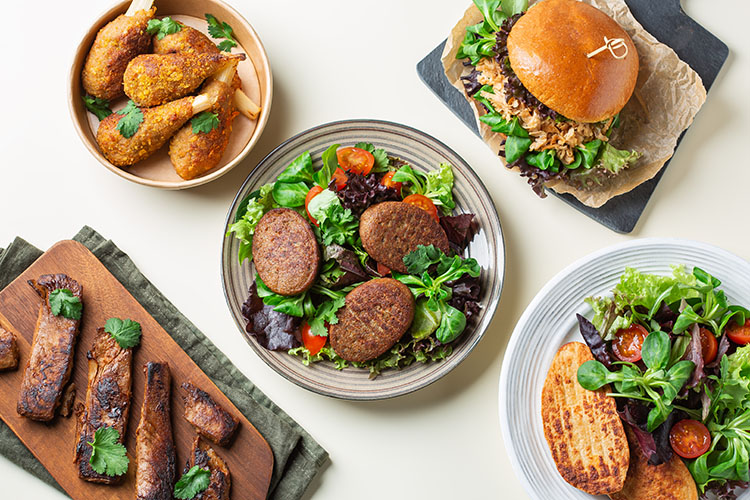
Plant-based Meats & Plant-based Foods: Citri-Fi Replaces Methylcellulose, Improves Juiciness, Firm Texture and Meat-like Texture

Formulating Plant-based Foods 3 Ways: Citrus Fiber

Environmental, health and animal welfare triggered an explosion of plant-based food products. At the same time, foods such as milks, meats, ice creams, creamers, cheese and yogurts come with their own challenges and solutions. Besides stability and texture, the market demands cleaner labels. As a result, ingredients such as Citri-Fi® citrus fiber emerged to provide the market a highly functional clean label option. This upcycled citrus fiber provides water holding and emulsification when formulating plant-based foods. As a result, these functionalities provide stability and more natural mouthfeel and texture with cleaner labels.

Free-from, fake, faux, replacements, substitutions and alternatives are just a few descriptors thrown around when referring to non-meat and non-dairy food products. The hot plant-based food trend continues to spur this lexicon exercise. Today, consumers choose a plant-based diet on their set of values and beliefs which vary from person to person. For instance, some are concerned with the environmental impact, the carbon foot print and sustainability when purchasing foods. Others believe that the plant-based diet will curb them from onset diseases like diabetes, cardiovascular disease, obesity and hypertension. And some do not believe in slaughtering animals when there are other protein options available today. Regardless the reason, the industry is in full throttle formulating plant-based foods.

Plant-based Foods: Types and Formats

Decades ago, companies sold ground up vegetables and legumes in the form of vegetarian patties. Today, the market offers a variety of plant-based formats such as milks, meats, creamers, meals, ice cream, yogurts, butter, RTD beverages, bars, dressings and eggs. According to the Plant-based Foods Association, the largest market share includes milk ($2.5B) and meats ($1.4B). (SPINS, 2021) And the fastest growing categories consists of eggs (42%), creamers (33%) and RTD beverages (22%). (SPINS, 2021) Yet, all these plant-based categories come with challenges and solutions when formulating plant-based foods.

Formulator tool boxes evolved over the years to include several ingredients including starches, food gums and plant-based proteins. Yet, today, product developers are seeking more natural and clean label ingredients that provide multiple functionalities. Citrus fiber is one ingredient that meets those parameters. However, not all citrus fibers are the same. These fibers vary depending on their process and composition. For example, Citri-Fi is an upcycled citrus fiber that is produced from a process free from chemical modifications. The composition consists of insoluble fiber, soluble fiber (mostly pectin) and some protein. Because of this, Citri-Fi provides a high degree of functionality – water holding and emulsification – at low usage levels (<1%).

Below lists how Citri-Fi citrus fiber creates stability and natural texture when formulating plant-based foods:

Plant-based Milks

Plant-based milks typically use a variety of bases including oats, soy, almond and coconut. Commercial products tend to use stabilizers to help suspend fortifying ingredients and to create a fuller mouthfeel. However, some of these stabilizers fall suspect in terms of clean label.

Citri-Fi citrus fiber provides not only a full body mouthfeel but also stability when used at less than 1% with homogenization. Because of this, other stabilizers are not needed. As a result, labeling stays clean since Citri-Fi’s labeling options include citrus fiber, dried citrus pulp or citrus flour.

Meat Substitutes

Formulating meat substitutes are trickier. First, meat alternatives come in a variety of formats such as patties, nuggets, sausages and deli cuts. Each format requires different processes and textures. Secondly, the market demands cleaner labels. As a result, product developers steer away from ingredients like methylcellulose which originally was the poster child ingredient when creating meat-like plant-based meats.

Today, the industry offers several new solutions including Citri-Fi citrus fiber. For instance, Citri-Fi 100 series, at <1% usage, provides the emulsification which produces the juiciness and succulence. And the Citri-Fi TX, at 2-4% usage, creates the meat-like texture. When used together, they provide binding and firmer texture. At the same time, when they are used in conjunction with plant proteins like potato or canola, the synergies allow formulators to create methylcellulose-free meat substitutes.

Dairy-free Ice Cream

Again, dairy-free ice cream uses a variety of bases like plant milks. To prevent ice crystallization, these non-dairy ice creams require stabilizers. Without them, the ice crystals compromise the texture creating a sandy and crunchy mouthfeel. On the other hand, some stabilizers lack the water binding during freeze/thaw conditions. As a result, the texture takes on a gummy mouthfeel.

Citri-Fi citrus fiber may not be top-of-mind in frozen dairy-free ice creams. However, this natural ingredient binds water and oil/fats tightly, at <1% usage, even during freeze/thaw conditions. The lack of ice crystallization creates ice creams with a creamy and smooth mouthfeel. And this natural citrus fiber cleans up labels which resonates well in the natural markets.

In addition to the above, Citri-Fi’s high functionality also plays a role when formulating plant-based foods such as creamers, dairy desserts, cheeses, yogurts, bars, dressings and eggs. Citri-Fi is non-allergenic, gluten-free and Non-GMO Project certified. This natural citrus fiber also has no E-number. To learn more about Citri-Fi’s functionalities within plant-based products, please contact us.

Read more →

Plant-based Meats & Plant-based Foods: Citri-Fi Replaces Methylcellulose, Improves Juiciness, Firm Texture and Meat-like Texture

Meaty, Meatier, Meat-like Texture – Citrus Fiber TX

Meat-like texture is a common expectation in animal-based meats, plant-based meats and hybrid meats. At the same time, creating the perfect texture requires additional food ingredients to improve the firm bite, chew and succulence. Citri-Fi® TX texturizing citrus fiber creates the meaty texture while improving the bite. And when used with the 100 series or other hydrocolloids, they work synergistically together to enhance the firmness and juiciness.

Creating the ultimate meat-like texture that consumers expect is an on-going quest in the foodie world. Thanks to advanced processing technology, consumers teeth clench a turkey leg typically at Renaissance Faire nowadays. Today, meat comes in a variety of forms off the bone. Though some consumers savor a good old slab of steak, the market now offers other types like sausage links, nuggets and deli cold cuts. However, there is one common denominator amongst them all – a meaty texture.

This process technology also opened doors for plant-based meat producers. Many of these meat substitutes use the same equipment and processes as animal meat companies. As a result, they too, strive to simulate a meaty texture. On the other hand, some consumers demand the best of both worlds. Today, new product launches include hybrid meats. These versions have both animal-based and plant-based components.

Challenges with Creating Meat-like Textures

When animal meat is processed, it alters the original meaty texture. For instance, in processed meats like sausages, consumers expect a specific firm and juicy bite. The food should bounce back when they clamp their teeth down. So, product developers add back components like fat, starches, fibers or other hydrocolloids to create a firmer bite.

On the other hand, when developers create plant-based meats, they start with plant-based ingredients that work synergistically together to create the binding, firmness, chew and succulence. Building a meat-like texture from ground zero is a mixture of science and art. Meat substitute producers push the envelope with new ingredient bases such as mycelium (fungi), fermented proteins and other new botanical crops.

However, adding ingredients back poses challenges. Every food ingredient has their pros and cons. For example, some ingredients are allergens like soy, wheat or egg. Other ingredients may have an E-number like starches which clean label formulators steer away from. And depending on the country, restrictions exist for  some ingredients used in animal meat products. Yet, on the other hand, plant-based meats do not contain animal-based parts, therefore are typically exempted.

A Clean Meaty Experience

Despite the hurdles in creating a meat-like texture, Citri-Fi TX citrus fiber produces a meatier bite. This natural food ingredient is a coarse particle size which when hydrated simulates texturized vegetable protein (TVP). Yet, unlike some TVPs, developers use Citri-Fi at a very low usage level such as 1-2% in animal-based products and 2-4% in plant-based meats and hybrid meats. Instead of being the bulk of the formulations, Citri-Fi TX acts as a meat enhancement.

For best results, hydrate the Citri-Fi TX first before incorporating it in the food formulation. If used with TVP, Citri-Fi can be mixed into the TVP and hydrated simultaneously. This method benefits a variety of product types including patties, sausages, crumbles and nuggets.

When used with the Citri-Fi 100 citrus fibers series, product developers also can create binding and succulence due to its natural emulsifier properties. As a result, food products tend to be juicy and produce a firm bite that consumers expect. Citri-Fi also works synergistically with other hydrocolloids and fibers such as starches, gums and methylcellulose if further enhancements are needed.

This citrus fiber is non-allergenic, gluten-free and has no E-number. Citri-Fi’s labeling options include citrus fiber, dried citrus pulp or citrus flour which resonate well in the clean label markets.

To learn more about using Citri-Fi TX to improve meat-like texture of animal-based, plant-based meats and hybrid meats, please contact us.

Read more →

Plant-based Meats, Meat Alternatives & Plant-based Foods: Citri-Fi Replaces Methylcellulose, Improves Juiciness, Firm Texture and Meat-like Texture

Natural Products Expo Trends: Plant-based Meat Formulations & Dairy Alternatives

Meat substitutes and dairy alternatives were Natural Products Expo West hottest areas this year. Many companies showcased their newest plant-based meat formulations which came in a variety of formats using alternative plant-based proteins. Though plant-based milks continue to penetrate the market, dairy-free cheeses littered the floor with innovative formats, styles and flavors. Amongst some products, citrus fiber appeared on ingredient labels due to its high water binding and natural emulsification benefits.

It happened! The 2022 Natural Product Expo West show resumed its regular in-person exhibition. For those who are not familiar with this trade show, it is the mecca of all trade shows when it comes to natural food products. For the seasoned attendees, one knows this massive show merits at least two days, a pre-planned floor strategy and a pair of cozy shoes to wear. If you are lucky enough, you may eye-spy tinsel town investors and actors trolling the floor next to you. However, this year, it is no surprise that plant-based foods stood in the limelight. Two categories popped out amongst the mass which included meat substitutes and dairy alternatives. New plant-based meat formulations and dairy-free products littered the aisles. Below outlines a few of the top trends spotted at the show.

Meat Substitute Product Formats

This category started life in a burger patty format years prior. However, today, meat substitute products come in all forms including chorizo, hot dogs, shredded barbacoa, ground beef or pork, sausage links and pate. These meat-free foods also take form of traditional cold cuts such as prosciutto, carpaccio, salami and pastrami. Several companies even turned their booths into benevolent butcher shops showcasing all types of plant-based meat formulations. Despite the variety, plant-based bacon offerings were limited at the show.

Faux Chicken, Egg Substitutes and Seafood Analogues

The plant-based chicken category was a main focus. Many companies sampled their cutlets, nuggets, ground and patties including Quorn. Both retail and food service folks swarmed the booths in search of new product offerings. Another category that popped up was plant-based eggs. Some companies took the route of scrambled tofu to demonstrate its versatility. Other companies explored other avenues using ingredients like mung bean starch or pepita seeds (Spero).

However, the most exciting and fastest growing category was plant-based seafood. Several companies on the floor showcased their seafood alternatives. For instance, some presented salmon sliders, crab cakes, fish sticks and even tuna in a can. (Atlantic Natural Foods  |  Good Catch Foods  |   Sophie's Kitchen) The texture and flavor simulated its fish-based counterparts which required skill and art when working with plant-based meat formulations.

 Plant-based Meat Formulation Ingredients

The plant-based toolbox expanded over the years. Many companies veered toward clean label ingredient decks. For instance, meat substitute bases incorporated soy, pea, garbanzo, black beans, lentils, navy bean, fava beans, adzuki bean, hemp, tempeh or cauliflower. Ingredient labels also listed clean label stabilizers and natural emulsifiers to protect these products during food processing, transportation, freeze/thaw and storage conditions. For instance, some companies presented a whole line of frozen meals incorporating meat alternative products such as lasagnas and pot pies. (Komo Foods  |  Tattooed Chef)

 Dairy Alternative Innovations

Though plant-based milks continue to penetrate the market, companies moved beyond the traditional soy and rice bases. For example, plant milks now use oat, cashew, hemp, walnut, macadamia, and sesame seeds. (Hope & Sesame  |   Milkadamia) Furthermore, companies pitched their products as milk nogs, barista milks and creamers.

However, the hottest and new area within dairy-free is plant-based cheeses. The most popular cheese analogue formulations used starch and fats or oils. These typically are cheaper to produce compared to cultured nut milks. The cultured market leader, Miyoko’s, showcased their liquid cheese alternative on pizza crust. It melted just like its animal-based version and tasted cheesy. Other formats at the show included shredded, cubed, sliced, crumbled and blocks. Companies even ventured into more artisan cheese types such as smoked gouda, feta, parmesan, pimento, hot pepper, sharp cheddar and French styles. (Good Planet Foods  |  Nuts for Cheese)

Other dairy alternatives categories at the show included cheese spreads, yogurts and frozen desserts. They too used similar plant milk bases but differentiated themselves by flavors, styles and formats. And like plant-based meat formulations, these dairy alternative products used plant-based stabilizers and natural emulsifiers to create high quality food products that withstand processing, transport and storage.

Citrus Fiber - The "Go To" for Plant-based Foods

Citrus fiber was spotted on several plant-based meat and dairy alternative labels at this year’s show. Because Citri-Fi® citrus fiber helps bind oil and water to stabilize plant-based foods, its high functionality and clean labeling make this a popular go-to ingredient. If you have questions on how to use Citri-Fi in your next plant-based meat formulation or dairy alternative product, please contact us.

Read more →

Dairy Alternatives: Citri-Fi Citrus Fiber Provides Stability and Natural Creamy Mouthfeel

Smile and Say Cheese Alternatives!

Cheese alternatives are the next frontier in the dairy-free world. Today, there are several types of products which present their own set of challenges such as instability and texture. Citri-Fi® citrus fiber’s water holding and emulsification properties bind the oil and water to create high quality cheese analogs that simulate their animal-based counterparts.

Through the years, cheese producers convinced the market that cheese is the magic ingredient that makes food taste great! Commercials encouraged parents to melt it on vegetables to make it more palatable for their children. Pizza is not pizza unless there is a long stretch of mozzarella hanging off the slice. And when snacking hit its peak, cheese stood on a pedestal due to its protein content and dairy health benefits. Because of this, dairy-based cheese literally milked the market. The popularity created an opportunity for new offerings such as cheese alternatives.

At the same time, the dairy alternative demand began to tick up. Growing concerns about sustainability, animal welfare and health consequences of animal-based fats spurred a sudden interest in creating cheese without animal milk. As a result, today, there are a variety of cheese analogs using different types of food ingredients and processing technologies. And there is no better time to discuss this topic rather than now in January aka Veganuary.

Starch and Fat-based Cheese Alternatives

Many companies try to mimic common cheese types including sliced cheeses for sandwiches and vegan burgers, soft cheese like camembert, or even products that match fresh or cream cheese. To do this, producers have different options. For instance, a lower cost route incorporates a fat source and modified starches. Spreadable types use liquid fats. On the other hand, hard cheeses require solid fats like palm or coconut in combination with starches. However, palm and coconut are questionable when it comes to sustainability. As a result, some shy away and resort to using sunflower or canola oil.

One challenge using these types of fats and modified starches is creating a stable emulsion without chemical emulsifiers. Because clean labeling is another important requirement, manufacturers look for alternative ingredients. Another underlying issue is that these type of cheeses have no nutritional value. Their bases are made up of starch and contain minimal protein versus animal-based cheeses.

Citri-Fi citrus fiber can help bind the oil and water in these type of formulations. The high surface area and native intact pectin content enables emulsification properties. As a result, cheese texture and stability are not compromised. Also, Citri-Fi contributes some dietary fiber, so this helps improve the nutritional content.

Fermented Nut Cheeses

Another type of cheese that is popular is fermented nut cheeses. These cheeses typically use almond or cashew as a base. The nutritional profile is better due to the nut protein content. And the flavor profile simulates the natural flavor of cheese which can come close to aged cheese. However, this process comes with more costs and tends to be pricier. And when nuts are ground, they tend to not bind all the fat inside which causes separation.

Because Citri-Fi is a great natural emulsifier, it can bind oil and water to help reduce the costs and improve the yields of these products. Water migration is common in products that do not have a good emulsifying system. As a result, Citri-Fi helps prevent weeping during refrigeration. In the end, Citri-Fi, at low usage levels (0.1% to 0.6%), provides emulsification, stability and nutritional benefits to a variety of cheese alternatives. This can range from cream cheese substitutes, parmesan alternatives to other vegan cheese analogs.

This cheese alternative market is the new frontier in the dairy-free world. In the future, cheese will use different protein sources like chickpeas and fava beans. Producers will push the envelope using fermentation, new processes and new ingredients to create high quality cheeses matching their animal-based counterparts.

Citri-Fi is non-GMO Project certified, non-allergenic and gluten-free. This natural ingredient has no E-number. Labeling options include citrus fiber, dried citrus pulp or citrus flour which resonate well in the natural and clean label markets.

Please contact us for more information.

Read more →

New Food Ingredients Distributor partnership

Fiberstar, Inc. Partners with New Food Ingredient Distributors

Fiberstar, Inc. partners up with two new food ingredient distributors to further strengthen its market penetration in the U.S. Accurate Ingredients and Gillco Ingredients join Fiberstar’s global distributor network by offering complimentary portfolios of ingredients, technically sound sales teams and highly responsive customer service.

Fiberstar, Inc. sells Citri-Fi® citrus fiber globally using a robust distributor network. To further penetrate the food ingredient marketplace, the company added two new distributors to their sales network – Accurate Ingredients and Gillco Ingredients. Both companies come with seasoned technical service in addition to a complimentary portfolio of food ingredients.

“The market is demanding natural, clean and functional ingredients like Citri-Fi citrus fiber,” says President and CEO, John Haen. “Because of this, it was time to partner up with distributors that not only focus on natural offerings, but also, provide customers with technical knowledge about each food ingredient’s functionality when formulating food and beverages.”

Accurate Ingredients offers extensive food ingredient sales, marketing and distribution resources serving the U.S. market. For instance, their portfolio of specialized ingredients,  experienced sales team and robust customer service provide customers a top-of-the-line experience. As a result, customers can rely on their trained experts to source and recommend ingredients based on functionality and cost.

Gillco Ingredients prides itself on partnering with some of the most reputable and innovative food ingredient manufacturers which offer a line of healthy, natural and functional ingredients. Its technically trained sales force understand each ingredient’s functionality allowing them to help speed up their customers’ product development efforts. In addition to the savvy technical team and extensive portfolio, they offer well integrated and highly skilled customer service.

Citri-Fi is ideal for both portfolios. For example, this citrus fiber line provides high water holding, emulsification and/or texture to variety of food products. This natural food ingredient is Non-GMO Project certified, non-allergenic and gluten-free. Labeling options include citrus fiber, dried citrus pulp or citrus flour. As a result, they all resonate well in the clean label markets.

To learn more about the new distributor partnerships, please contact us.

Read more →