Email Us info@fiberstar.net
Call Us +1 (715) 425-7550
Global Food Trends in 2026 - Health, Traditional Foods and Sustainability

Global Food Trends in 2026

The global food trends in 2026 include improving health, preserving traditional food and supporting sustainability. Whether it is pumping foods with protein or creating authentic regional culinary pastes, Citri-Fi® citrus fiber’s high water holding and emulsification properties can improve the texture, stability and nutrition of a variety of food and beverages.

Global food trends point to wellness, heritage eating and sustainability in 2026. But what does wellness mean in the food industry? Why are consumers reverting back to traditional foods? And what sustainability initiatives are shaping how food is developed? The world is massive but at the same time, it shares common culinary trends and food processing shifts. Let’s take a look at some of the regional market dynamics shaping up the global food trends in 2026.

North America: Health, Protein, Heritage and Sustainability Food Trends

The word-of-the-year is protein. Protein enrichment is seizing the food industry from beverages to breads. One of the key drivers propelling the U.S. and Canada’s protein foods points to the GLP-1 weight loss drugs. These dream prescriptions are melting away pounds from weight-challenged individuals. Because of these miracle remedies, GLP-1 consumers are eating less and seeking out nutrient-dense foods. As a result, product developers are stuffing protein in every food option imaginable, cutting the portion size and spitting out new products in the market with lightening speed. At the same time, protein fortification as a health trend comes with formulation challenges.

Adding protein to foods like bread, sauces and beverages alters the texture and stability of the food. Product developers need to re-formulate these foods using additional hydrocolloids likes starches and food gums to control water movement. At the same time, Citri-Fi citrus fiber, known for its high water holding and emulsification properties, is an alternative to hydrocolloids that can improve the quality of protein-rich foods. Citri-Fi citrus fiber’s benefits at low usage levels, <1%, can improve the texture, stability and nutrition of food and beverages.

The North American folk's attention to health and wellness also spearheaded a gastronomic movement involving heritage eating. In other words, consumers seek out foods that are back-to-basics or back to traditional food sources. For example, consumers are cooking classic dishes from their ethnic roots or adding more fermented foods into their daily mix. And this health and wellness and artisanal dining trend includes the focus on sustainability. Environmentally friendly food choices now entail food source transparency, food packaging reuse and food waste reduction. All of these elements are shaping the global food trends of 2026.

South America: Environment, Ancestral Eats, and Social Food Trends

Point your compass south and gallop over 4,000 miles to Latin America. Food trends range from ancestral eating to social dining followed by sustainable sourcing. Foodies are reverting back to traditional food staples like root vegetables such as aria, mashua, yacon and arracacha. Other examples include incorporating Melipona honey to drinks and the use of unsweetened acai in savory dishes.

In addition to celebrating authentic foods, folks are choosing family style or socially shareable foods in the spirit of mindful experiences. Nothing can substitute the happiness of breaking bread with family and friends. At the same time, LATAM consumers are also demanding healthy and clean ingredients. Gone are the days of ultra processed foods and imitation bites. Consumers are seeking naturally nutritious ingredients such as legumes, grains and vegetables.

However, creating home-style foods that are ready-to-eat require some natural ingredients to prevent water or oil separation. Regardless if the offering is refrigerated or frozen, food texture is affected from water migration. Citri-Fi citrus fiber’s high water holding helps bind that moisture to keep bread moist and sauces smooth and stable over time. Citri-Fi is created from citrus peel byproduct of the citrus juicing operations. Because of this process, which is free from chemical modifications, Citri-Fi is a sustainable food ingredient. This natural ingredient’s labeling options include citrus fiber, dried citrus pulp or citrus flour which resonate well in the natural markets.

Europe: Clean Ingredients, Gut Health, Plant Foods and Sustainability

Across the pond in Europe, consumers are preferring more fibre options in lieu of protein. Gut health resurfaced in the limelight triggering purchases to be tummy feeling good. However, the GLP-1 phenomena also attracted many to jump on the weight loss bandwagon. Smaller portion sizes and a healthier mix including fermented foods for gut health is the new normal. While plant-based foods fizzled out in the U.S., Europe is full steam ahead creating new dairy-free products  and meat alternatives using ingredients like mushrooms, pulses and heritage grains.

In addition to the gut healthy, fermented and plant-based foods, the market is still demanding clean label and transparency. Foods free from e-number ingredients and ultra processing is just part of the tall order. With sustainability, a global interest, Europeans are too looking to improve their carbon footprint in all directions. For instance, the frozen food popularity is increasing due to its perceived waste-reducing or zero waste option.

One food ingredient solution that checks all the boxes is Citri-Fi citrus fiber. It is a go-to formulating tool for the latest GLP-1 foods. This natural citrus fiber controls syneresis in protein-rich yogurts to moisture retention in nutrient-dense breads. The fibrous matrix locks in water and oil to prevent water migration during freeze/thaw of frozen foods. This sustainable citrus fiber has no e-number making it an ideal clean label food ingredient to improve a variety of foods and beverages.

Asia- Pacific – Chewy Textures, Authentic Pastes, and Indigenous Foods

Though health and sustainability are on top of most corporate minds globally, the Asian-Pacific consumer base is homing in on texture food trends in 2026. These foodies are coveting more chewy, springy and bouncy textures across all food segments. Confection is not candy unless it is chewy. Mochi is not a dessert without the spring. Chewy textures rely on food starches and gums. However, there are other sustainable solutions available like Citri-Fi citrus fiber. The fiber binds the water to aid in the springy texture. Or this sustainable citrus fiber can be used to dust the outside of chewy items to prevent sticking if it is a gummy-like product.

On the other hand, consumers are also favoring regional expression by returning to their roots. Again, this is a common global food trend slated for 2026. Consumers are cooking up regional fermented pastes that are like the DNA backbone to villages and towns. Many times, these pastes use expensive and/or limited available ingredients. By using natural food ingredients like Citri-Fi citrus fiber, pastes can be extended while still preserving the targeted flavor and natural texture.

The world is full of a diverse population. However, at the end of the day, many global food trends in 2026 highlight what matters most in peoples’ minds and hearts. Health, heritage and home are the commonalities that connect each one of us. Whether it is improving overall wellbeing, preserving tradition or caring for our home (the planet), formulating with citrus fiber is an efficient and effective solution.

For more information about how Citri-Fi citrus fiber can improve your food formulation goals, please contact us.
Read more →

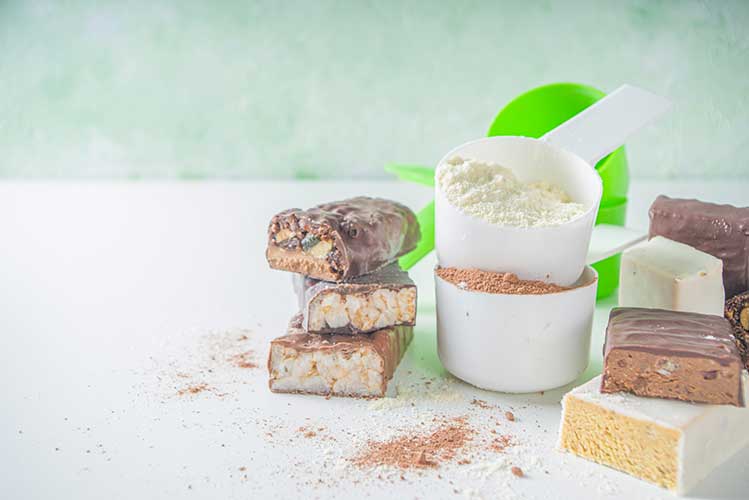
GLP-1 Users look for protein enhancement in foods. Citrus fiber is ideal to improve texture and stability.

Protein Enhancement: Citrus Fiber Power

Protein fortification has been on-going for decades from energy seekers to body builders. Today, the GLP-1 users are shaping the protein enhancement trends in various foods like beverages, bakery and yogurts. However, protein comes with its own set of formulating challenges. Citri-Fi® citrus fiber provides water binding and emulsification which aid in improving protein-packed food's texture, stability and nutrition.

Years ago, protein as an ingredient made its main debut via nutrition bars. Trendy as they were, protein bars were a staple found in hikers’ backpacks, kids’ school lunches and the top drawers of office desks. Protein promised energy in the form of a convenient meal replacement. And then the supplement industry cashed in on the protein craze by creating hype around building and restoring muscle. Cheese-making byproduct, such as whey, found a home in protein powders and RTD protein drinks that filled this market need. However, today’s protein enhancement trends revolve around the GLP-1 movement, satiety and healthy aging.

GLP-1 Formulating Trends

GLP-1, which stands for glucagon-like peptide-1, are new weight loss drugs that are the talk of the century. These pharma inventions promise pounds to fly off the waist and thighs. This is due to the GLP-1 users embracing new eating habits which include reducing portion size and increasing the intake of nutrient dense foods. The two healthy ingredients on the red carpet in response to this trend are protein and dietary fiber. Both of these ingredients are commonly found in protein formulations designed for these dieters.

Consumers using the GLP-1 drugs are seeking out products that contain high sources of protein. As a result, food manufacturers responded by pumping protein into conventional food formats like beverages, bakery items, frozen foods, breakfast cereals and pasta. However, each food format has their own protein strategy. And because of this, protein enhancement in foods comes with a range of challenges.

Boosting Beverages: Protein and Fiber

Fortified drinks is one of the common formats for protein enhancement. Beverage makers are supplementing various beverages with proteins like dairy-based whey in milks, sodas and even coffees. At the same time, the heat used in thermal processing to make beverages shelf stable, can unwind protein strands. As a result, this denaturation of the protein causes gelling, cloudiness and sedimentation. Broken down protein composition creates an undesirable chalky and grainy mouthfeel. And if this beverage is plant-based, the added protein can create flocculation (clumping) or creaming.

One fiber-based solution to this dilemma is Citri-Fi citrus fiber. This upcycled ingredient is byproduct of the citrus juicing process. At low usage levels (<1%), Citri-Fi can improve the stability of protein-enriched RTD beverages like shakes or smoothies due to its water binding and emulsification properties. In addition, this natural citrus fiber can improve the creamy and full body mouthfeel of plant-based beverages.

To Better Protein-enhanced Bakery with Citrus Fiber

Baked goods is another protein enriching category. Many GLP-1 users still gravitate toward breads, muffins and bagels during mealtime. However, there are a variety of proteins that are typically used such as whey, milk protein concentrate, soy proteins and isolates, pea protein, fava proteins and egg whites to name a few. Bakers struggle with protein fortification because protein loves to compete for water. It tends to create dry, dense and crumbly bread structures. This is due to the protein diluting the gluten innately found in the flour. When the gluten matrix is loosened, then the dough is weaker causing gas to not be trapped. As a result, this negatively affects the volume and crumb of the protein-enhanced bread.

There are a few workarounds such as adding more water, adjusting the processing parameters and bake times and using a blend of different protein sources. Another solution is incorporating Citri-Fi citrus fiber at low usage rates (<1%). As mentioned, this citrus fiber binds water and provides emulsification. As a result, breads tend to retain moisture over time giving it a fresh appeal over shelf life.

Protein-packed and Stable Textured Yogurts

One last food format that innately contains protein due to its dairy or plant-derived bases is yogurt. Yogurt is the poster child for health and wellness. Despite its fame, producers are loading yogurts up with even more protein. Some achieve this by using different processing such as strained yogurts which become Greek-style yogurts with higher protein concentrations. Alternatively, others are adding in milk protein concentrate, whey protein, casein and/or skim milk powders to boost the protein content. But, added protein weakens the gel structure. As a consequence, water weeps out of the protein matrix and causes syneresis. In other words, the water separates from the yogurt and pools on the top.

Other issues using ingredients in the protein space include grainy or chalky mouthfeels and excessive thickening. And due to the thermal processing used in creating yogurts, protein strands can denature and create separation. Many yogurt formulators use stabilizers to solve these issues. However, some of these stabilizers are not perceived to be label friendly. One solution for protein-enhanced yogurts is to use Citri-Fi citrus fiber. The water binding and emulsification power aids in minimizing the water separation. Because of this, protein packed yogurts are thick, smooth and creamy. Citri-Fi improves dairy-based and plant-based protein-enriched yogurts.

Protein-infused Foods: Now and Later

The protein wave will continue to be fueled by not only the GLP-1 users but also those consumers seeking energy, healthy aging and sustenance. For now, product developers are building the formulation road map for protein fortified foods.

In the future, the anticipation is that AI (artificial intelligence) will reduce the trial and error of developing these foods. And with continued nutrition research, food manufacturers and academia will create more science around protein bioavailability and the physiological effects of consuming various proteins. This will aid in producing the most efficient protein solution to improve the consumer’s life.

Citri-Fi citrus fiber is an ideal tool which can be key in formulating in the protein space to achieve protein enhancement. This natural citrus fiber is non-GMO Project certified, allergen-free and gluten-free. There is no e-number which is ideal for certain regions like Europe. And labeling include citrus fiber, dried citrus pulp or citrus flour which resonate well in the clean label markets.

For more information, please contact us.

Read more →

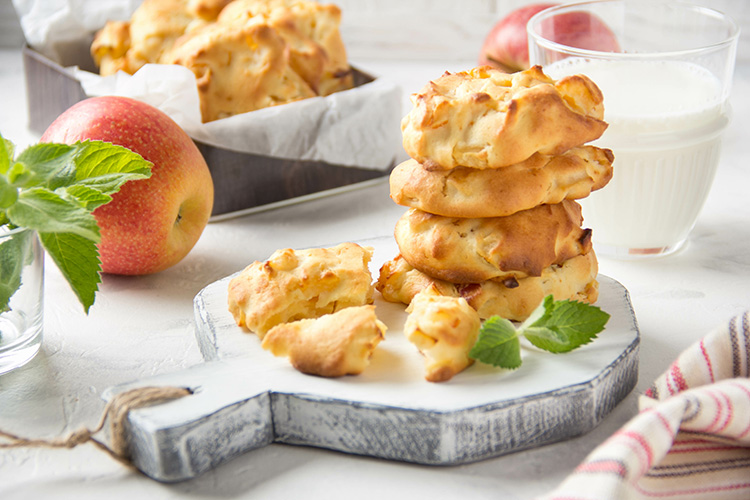
Citri-Fi Citrus Fiber improves healthy bakery formulations by providing water holding and emulsification

Healthy Bakery Formulation Trends 2025

Today, bakery has exploded into a variety of cleaner options including sugar reduction, digestive support, gluten-free, plant-based and minimally processed. Citri-Fi® citrus fiber provides the water holding and emulsification that healthy bakery formulations need to be tasty. At low usage levels (<1%), this natural bakery ingredient improves the texture, nutrition and stability over shelf-life.

“Let them eat cake” resonates in every consumer’s mind when they troll the grocery aisles looking for a tasty morsel. At the same time, the left side of the brain takes over pulling them like a tractor beam to healthier options. Too often this relentless battle happens in the bakery department. In the past, healthy baked goods were analogous to cardboard textures and earthy tastes. Today, bakery exploded into a variety of cleaner options including sugar reduction, digestive support, gluten-free, plant-based and minimally processed. As a result, bakers can create healthy bakery formulations.

Sugar Reduction Formulation Goals in Bakery

The rising awareness of obesity, type 2 diabetes and cardiovascular disease put the spotlight on sugar intake. Now, the overconsumption of sugar is prevalent in children's diets. Because of this, consumers are seeking indulgence but with less the guilt. Bakers are faced with creating delicious products with less sugar which is challenging. Sugar not only stimulates the palate, but it also acts like a humectant. In other words, it binds the water to keep bakery items moist and fresh.

However, there are solutions available to help with bakers’ sugar reduction goals. For instance, Citri-Fi citrus fiber, at low usage levels (<%1), binds water and oil to lock in the moisture post bake. As a result, this extends the perception of freshness over shelf-life. This benefit not only applies to sugar-reduced bakery items but also conventional baked goods. Citri-Fi can improve the texture, stability and nutrition in a variety of healthy bakery formulations including sugar-reduced muffins, cakes, cookies and breads.

Enhancing Digestive Health one Slice at a Time

Thanks to probiotics and the yogurt category, digestive health awareness increased over the years. Now, probiotics are not the only ingredient on the block promising a happier gut. Other digestive health ingredients like prebiotics, symbiotics and postbiotics are emerging and becoming mainstream. At the same time, dietary fiber still remains the number one go-to when consumers are searching for digestive well-being. And baked goods are an ideal food source to promote digestive health options.

Citri-Fi citrus fiber qualifies as a dietary fiber source. Though, the usage level in bakery items (<1%) rarely entitles it to make fiber claims. Citri-Fi can be used with other dietary fibers to meet the requirements. This natural upcycled citrus fiber can be used to improve the moisture retention and perception of freshness in a variety gut friendly bakery items. At the same time, it contributes dietary fiber to the nutrition label of healthy bakery formulations.

Gluten-free Bakery Formulas are Advanced

In the past, creating a tasty gluten-free baked good was the critical success factor. Today, bakers are well-versed with formulating for taste. Now they focus on the nutritional profile. Most of the first-generation gluten-free products were formulated with unfortified flours that were low in protein. Today, bakers expanded their formulating expertise to include more nutritional options. One of the strategies adopted was fortifying the baked goods with dietary fiber. However, adding a fiber is not as straightforward since fibers come in different sources and formats which affects its functionality in bakery items.

One natural functional fiber which is key in gluten-free formulating is Citri-Fi citrus fiber. This gluten-free citrus fiber binds nine times its weight in water and locks in the water over shelf-life. One of Citri-Fi’s key benefits in gluten-free is its ability to tether the water during the freezing process to minimize water migration. Since many gluten-free products are frozen and then slacked on the store shelf, using Citri-Fi can improve its moist texture and perception of freshness over time.

Plant-based Bakery: Egg-free, Dairy-free, Vegan-friendly

Consumer preferences have grown sophisticated over the years. Many bakery items use allergens like eggs and dairy which are also frowned upon amongst the vegans. However, formulating for each specific consumer segment can be tricky. As a result, bakers take the blanket approach. Some focus on creating baked goods without both eggs and milk ingredients to meet the needs of multiple consumer groups. These types include vegan, allergen-free and health conscious.

Removing 100% of the eggs from certain baked goods is the holy grail. There is no one-to-one egg replacement regardless of what food ingredient company promises. Instead, a solutions approach is the most effective option when replacing egg. Citri-Fi citrus fiber can reduce egg content up to 25% in bakery items. And when used with other food ingredients such as plant proteins, food gums and/or starches, it is possible to replace 100% of the egg. Citri-Fi provides the water binding and the emulsification properties that egg typically contributes. Creating healthy bakery formulations is feasible using Citri-Fi citrus fiber alongside other texturants.

Natural and Minimally Processed Bakery Items

However, creating reduced sugar, digestive friendly, gluten-free and plant-based baked goods now need to fit the natural and minimally processed paradigm. Today, there is speculation that ultra-processed foods (UPFs) are linked to onset diseases. As a result, product developers are tasked to use more natural ingredients. This prerequisite also requires manufacturers to not only revisit their formulations but also the manufacturing processes involved. While the industry is cobbling together a definition for ultra-processed, consumers rely on ingredient statements and storylines when purchasing foods.

Bakery formulations benefit greatly using Citri-Fi citrus fiber. This clean label bakery ingredient is produced from byproduct of the citrus juicing industry. The process, which is free from chemical modifications, opens up the fiber to give its high water holding and emulsification properties. Because of this dual functionality, Citri-Fi can reduce the number of texturants, stabilizers and/or emulsifiers used in bakery items. As a result, this natural citrus fiber can simplify ingredient statements. The labeling options include citrus fiber, dried citrus pulp or citrus flour which resonate well in the natural markets.

Citri-Fi citrus fiber is non-allergenic, gluten-free and non-GMO project certified. There is no e-number associated with this food ingredient which is ideal for regions like Europe. Now, certified organic citrus fiber is available – Citri-Fi 400 series.

Baking for the Future

With new artificial intelligence (AI) technology implementing across the food industry, it is no doubt that bakers will be able to produce products more efficiently. The most obvious places to implement AI is in manufacturing. However, the most exciting areas, as a prior developer, will be formulating bakery products. Bakers will be able to dial in formulations more efficiently with less bench to pilot plant scale-up steps. The precision that AI promises may even phase out early testing stages and let bakers take formulas straight to the plant.

Another key area for AI will be customizing bakery formulations to meet the needs of niche consumer segments. These niche consumer groups are overlooked due to cost advantages with economies of scale. But, with AI available, creating niche products including healthy bakery formulations at less cost may be a possibility in the future.

For more information, please contact the Fiberstar team!

Read more →

reduce cocoa powder - Bakery Foods: Citri-Fi Citrus Fiber Improves Moisture Retention, Emulsification and Freshness also Gluten-free - Bread, Cookies, Muffins, Cakes

Reduce Cocoa Powder and Raise the Bakery Bar

Cocoa powder’s shortened supply and rising costs are due to adverse environmental and geopolitical circumstances. However, there are some ways to reduce cocoa content including the use of flavors, cocoa extenders and chocolate enrobed inclusions. Regardless of the solution, Citri-Fi® citrus fiber can be used to improve the quality, texture and nutrition of a variety of baked goods. This natural citrus fiber complements cocoa extension strategies so that bakers can create delicious and mouthwatering muffins, cookies, bakery fillings, pastries and cakes.

You can win almost anyone’s heart over with chocolate. And like electricity, chocolate is one of those luxuries that most take for granted. We treasure it on special holidays including Valentine’s and Halloween. It accompanies flowers on first dates. And it telepathically talks to us in the grocery checkout lane “Buy me now!” Yet, how chocolate is sourced and made is a mystery to most. Many do not realize that its raw material, cocoa, is suffering from environmental and geopolitical strife. And because of this, food developers are looking to reduce cocoa powder in a variety of foods.

The Cocoa Supply Chain

Cocoa starts its life in the cocoa fruit. This fruit contains multiple cocoa beans inside. Once mature, the plant is harvested and cracked open where farmers access the cocoa beans and pulp. The beans are fermented and dried. It is this unique process that gives cocoa its complex flavor. The dried cocoa beans are then shipped around the world where food manufacturers finish the process which involves roasting, extracting the cocoa nibs (winnowing) and grinding it into powder. From here, the cocoa powder can be converted into chocolate products or separated further.

Most of the cocoa is sourced from West Africa, specifically Ghana and the Ivory Coast. Over the years, cocoa crops have been suffering shortages due to adverse weather conditions, aging trees, disease and pests. Moreover, now since gold mining is more profitable, cocoa farmers are losing land to the mining operations. A global shortage of cocoa is resulting in limited supply and skyrocketing costs. As a result, reducing cocoa powder dependency has become a long-term goal.

Cocoa Powder Extender Strategies

Cocoa powder is used in a variety of food products including bakery, beverages, confectionery and sauces. Manufacturers convert it into a variety of formats such as powder, liquids, inclusions and pastes. How to reduce cocoa powder without affecting texture and taste is the Holy Grail. Cutting down the cocoa content in foods affects the flavor, color, texture, labeling and possibly the regulatory status. Chocolate has standards of identity in certain regions of the world specifically the United States which makes it challenging to use chocolate substitutes.

One strategy leans on the flavor industry. The flavor houses are not the only players in the game. Other food ingredient companies have jumped in to offer their solutions as well. Some solutions include using cocoa flavors, cocoa extracts, natural flavor modifiers and enhancers. With these types of solutions, developers can reduce the cocoa powder content while maintaining that rich and complex flavor of cocoa.

Another strategy involves using cocoa extenders such as whole grain malted barley which not only contributes the rich flavor but also improves moisture retention and texture. Another option is using carob. Other extenders on the market may use a fermentation process to simulate the flavor of cocoa. For example, one extender relies on fava bean which uses a similar fermentation process as cocoa. However, many of these options require re-formulation.

On the other hand, some strategies to reduce cocoa powder use takes a more roundabout approach. For instance, some companies recommend using chocolate flavored inclusions, compounds and coatings. Using these types of ingredients gives the consumers the perception of eating chocolate even though the components contain a fraction of real chocolate. Another way to reduce cocoa powder is to use more milk chocolate which relies on cocoa butter versus cocoa solids.

Citrus Fiber Complements Bakery Cocoa Reduction

The bakery industry is one of the hardest hit sectors when it comes to the cocoa shortfalls. Bakers are re-working their chocolate-containing baked goods in order to secure supply and mitigate costs. Regardless of their chosen strategic path, there is one thing for certain. Ingredients like Citri-Fi citrus fiber can aid in improving the baked goods quality when using cocoa extender solutions.

Citri-Fi is an upcycled citrus fiber produced from the citrus juicing industry. The process, which is free from chemical modifications, creates the high water holding and emulsification properties. It is this dual functionality that allows Citri-Fi to improve the moisture retention, texture and nutrition of baked goods. Though bakery items may use the flavor and/or cocoa extension solution, at low usage levels (<1%), Citri-Fi can be used alongside to improve the quality of the finished product. Citri-Fi is also ideal for frozen baked goods in addition to gluten-free products.

Because of Citri-Fi citrus fiber’s high surface area, this natural ingredient can also be used to dry plate water and/or oil soluble flavors. By doing this, Citri-Fi turns liquids into free-flowing flavor powders. Depending on the type of oil, this citrus fiber typically provides up to 25-30% load while still being flowable. In addition to being a flavor carrier, when incorporated into the food products, Citri-Fi provides the moisture retention to improve the perception of freshness over time in baked goods.

On the Cocoa Horizon

Climate change and political pressures will continue to mold cocoa procurement. As a result, new technologies are emerging to help alleviate the growing shortage. For example, fermentation technology is in its infancy. Some companies are fermenting non-cocoa materials with the end goal of producing products that taste and function like cocoa powder. In time, these new products will be produced in an upscaled system which will make its market worth more affordable. In the meantime, batches are small and expensive.

Another hi-tech technology in the start-up mode is cell cultured cocoa. The goal here is to produce cocoa but not with conventional farming methods. Instead, cocoa will be created using a handful of cells. Like with most new groundbreaking science, scale-up and regulatory hurdles will put the brakes on quick turnarounds. Lastly, more upcycled ingredients are being repurposed into food ingredients to improve food products’ carbon footprint as well as quality. These upcycled ingredients when fermented and/or roasted and combined with sweeteners and fats, can simulate chocolate which can reduce cocoa powder content in a variety of food and beverages.

Citri-Fi citrus fiber’s functional benefits and nutritional value can improve foods that are utilizing any of the cocoa reduction strategies mentioned above. Labeling options include citrus fiber, dried citrus pulp or citrus flour which resonate well in the clean label markets. Citri-Fi is non-GMO Project certified, non-allergenic and gluten-free. This natural citrus fiber has no E-number. And now there is USDA certified organic Citri-Fi available.

Please contact us for more information on how to improve your food products with citrus fiber while reducing cocoa content.

Read more →

Citri-Fi Citrus Fiber is an Egg Reduction Solution that is clean label

Egg Reduction – A Half Dozen Solutions

Several market drivers including better-for-you foods, Avian flu and plant-based diets are creating a demand for egg reduction solutions. Citri-Fi® citrus fiber provides water holding and emulsification properties similar to egg which benefits a variety of foods including cookies, cakes, pancakes, creamy sauces, mayonnaise spreads and meat loaf products.

Replacing eggs again? Haven’t we boogied to this Chicken Dance already? Egg replacement is not a new phenomena in the food world. For instance, replacement technologies have gussied up ingredient  portfolios for over two decades now. These egg reduction solutions were peddled in the market for various reasons. Years ago, cholesterol earned a bad rap. So, consumers demanded healthier products minus the egg. Then, the Avian flu plagued the flocks driving an egg shortage. Next, the plant-based food wave eliminated any animal-based ingredients including egg. And now, the market is back to grappling with the Avian flu again.

Among the drivers to reduce egg usage, the Avian flu is creating the most chaos. For example, the outbreak is limiting egg availability which is driving the price thru the roof. Because of this, formulators are back at the bench looking for egg reduction solutions. Replacing this commodity is more than an elbow test. According to the Incredible Egg Organization, there are over 20 properties eggs provide. As a result, replacing eggs successfully depends on the food product and the replacement technology. At the same time, the market has a few replacement options available. One solution involves citrus fiber.

Citri-Fi citrus fiber is produced from byproduct of the citrus juicing industry. The process, which is free from chemical modifications, opens up the fibrous matrix to give its high water holding and emulsification properties. Because of this composition, Citri-Fi can be used as an egg reduction solution for a variety of food products including bakery items, sauces and dressings.

Bakery: Water and Oil Binding is in the Proof

Eggs are typically used in cookies primarily for the emulsification properties. This muscle ingredient binds the butter and/or oil to the liquids to create a uniform and tender texture. Reducing or omitting eggs adversely affects the overall quality. For example, cookies tend to be dense, crumbly and dry. The spread is limited and accompanied by a grainy undissolved sugary texture.

Citri-Fi citrus fiber, at low usage levels (<1%), provides the emulsification properties which maintains the tender bite and perception of freshness over time when replacing up to 25% of eggs. This also applies to baked goods such as pancakes, layer cakes and cupcakes.

In bakery products like cakes, Citri-Fi can extend the eggs and also partially reduce oil content. This natural ingredient’s ability to bind water aids in creating the full-fat mouthfeel when oil is reduced. And because of the fibrous composition, the bound water remains locked in over time giving the perception of freshness. Citri-Fi can be used in both conventional and gluten-free bakery products as an egg reduction solution.

Mayonnaise Spreads: Citrus Fiber is an Egg-cellent Emulsifier

Another key area for Citri-Fi’s emulsification power involves mayonnaise dressings. Mayonnaise typically contains vegetable oil, water, sugar, vinegar, egg yolks, salt and mustard. The egg yolks bind the vegetable oil and aqueous liquids when sheared to create a uniform stable mixture.

Due to Citri-Fi citrus fiber’s emulsification properties, this natural food ingredient can reduce or replace eggs in mayonnaise spreads. Some spreads use modified starches which provide similar functional benefits. However, this upcycled citrus fiber, at low usage levels (<1%), sets up a stable emulsion which does not break over time. Also, Citri-Fi creates a smooth and full-fat mouthfeel while supporting a clean label. Labeling options include citrus fiber, dried citrus pulp or citrus flour.

Besides mayonnaise spreads, Citri-Fi can reduce egg content in other types of sauces like Hollandaise, Caesar dressing, custard-type and pastry cream. The level of reduction highly depends on the type of food product and ingredients used. If other hydrocolloids are used in the formulations, then Citri-Fi can aid in reducing significantly more egg content than using Citri-Fi alone.

Meat Loaf: Managing Moisture

Chopped and formed meat products like meat loaf use eggs to bind the ingredients and add moisture. During the cooking process, the moisture is bound to the egg to prevent dryness. When egg content is reduced or eliminated, formed meat products tend to dry out and fall apart.

Citri-Fi citrus fiber, when used at low usage levels (<1%), binds the water during the cooking process. As a result, the meat loaf remains moist and tender post-cook. To incorporate, add the citrus fiber to the dry ingredients like herbs, spices and salt before mixing in liquids. The order of addition and mixing optimizes Citri-Fi’s full functionality in an egg reduction solution.

Besides egg reduction, Citri-Fi has other pluses. The product line is non-GMO Project certified, allergen-free and gluten-free. Now, there is a USDA certified organic line available – Citri-Fi 400. The 100, 400 and 600 series have no E-number which is key in regions like Europe.

The Future of Formulating with Egg Extenders  

Will the egg market return to normal this year? The jury is out on this drama. However, the fact that viruses have interrupted the markets more than once over the years serves as a hint. With this in mind, companies have the opportunity to utilize egg reduction technologies as a strategy to minimize cost and risk in supply. Though there are several egg reduction solutions on the market, Citri-Fi citrus fiber stands out due to its upcycled, sustainable and clean label narrative.

To learn more about egg reduction solutions, please contact us.

Read more →

Citri-Fi Citrus Fiber at SupplySide West Show - nutrition bars, gummies, tablets, beverages

Natural Food Ingredients Nabbed the Show at SSW

The SupplySide West show, which rebranded into SupplySide Global, significantly grew in size again this year due to the influx of international suppliers. The mainstream trend continued to revolve around pure, holistic and natural food ingredients. Companies differentiated their products by health platforms, regulatory status, and sourcing (local vs. overseas). Other claims that emerged in the show included women-owned, sustainability and upcycling.

The SupplySide West show, which started its life as a supplement expo, significantly grew in size again this year. For over a decade now, I have trucked around the show floor, looking for the latest and greatest in natural food ingredient technologies. Before, I wandered around with chunk heels cursing the traditional business attire expectations. Today, I traded my pumps in for dressy sneakers to help me reach the finish line which was beyond aisle 8100! After circulating around the show floor, I captured some insight that is worth a share.

Mainstream: Pure, Holistic and Natural Food Ingredients

With the spotlight on ultra-processed and pathogenic-free foods, it is no wonder that consumers are demanding safer and more nutritious products. They are label reading more than ever today which is causing food and supplement manufacturers to reassess their own products’ ingredients. As a result, many ingredient suppliers at the show touted their natural and minimally processed status. Some of the common claims included organic certified, committed to nature and clean label. With this in mind, it was a slam dunk to promote citrus fiber at the show.

Fiberstar, Inc. exhibited at SupplySide West pitching Citri-Fi® citrus fiber. This natural food ingredient checks all the boxes when it comes to clean label and the natural origin. Citri-Fi is byproduct of the citrus juicing industry which uses a process free from chemical modifications. Because of this, the fibrous composition, including the high concentration of native pectin, stays intact giving it high water holding power and emulsification properties. As a result, this natural food ingredient improves the texture, stability and nutrition of a variety of food, beverage and supplements.

At low usage level (<1%), this upcycled citrus fiber improves foods such as beverages, dairy products, nutrition bars, dry blends, baked goods and gummies. Because of the multi-functionality, Citri-Fi can extend and/or replace other hydrocolloids like starches, food gums and other plant-based fibers. Though there are several citrus fibers to choose from in the market, Citri-Fi is unique because it is not a byproduct of the pectin extraction process which typically uses chemical modifications or solvents. Citri-Fi is as close as its roots in nature which makes this ingredient a true all-natural option.

Health Platforms: Magnified and Multiplied

Selling natural food ingredients via health platforms is still prominent. This year, digestive health topped the charts during my walkabout. Numerous companies showcased ingredients such as prebiotics, probiotics, symbiotics and postbiotics. Other prominent platforms included immune, bone, weight management, cognitive and heart. On the other hand, a few new platforms grew in presence which involved sleep, stress-free, aging, skin, hair, anti-allergy, oral, liver, diabetes, joint, men’s and now women’s health (especially menopause-related).

Geographic Dichotomy: Local versus Overseas

Despite US-based consumers clamoring for local and made-in-the-USA food products, the show proved international trade was alive and thriving. From observation, the show’s growth looked like it was attributed to new small ingredient suppliers primarily from Asia. These businesses were littered amongst the large multi-national distrubutors. And unlike the large company booths, many of these smaller booths lacked the luster. In many cases, it was challenging to understand their point of difference when a booth two doors down sold the same ingredients. Are natural food ingredients, which were once considered value-added, commoditizing with the plethora of oversea players?

Regardless of the international offerings on the show floor, companies who saw value in USA made highlighted this as a competitive advantage. Some of the words included domestic supply, USA origin and locally made. As the influx of ingredient suppliers grow each year, natural food ingredient companies will need to innovate to strengthen their competitive advantage in the marketplace. Otherwise, they will find themselves competing on price which can paralyze profit margins.

Over the years, Fiberstar strived to be ahead in citrus fiber innovation. Selling a sustainable and upcycled citrus fiber was just the beginning.  The company created varying particle sizes, co-processed blends, higher viscosity versions and certified organic SKUs which set Fiberstar apart from other suppliers. In addition, the company continues to offer a domestic citrus fiber using a stable and reliable supply chain.

New Emerging Trend: Women-owned Businesses

Another trend springing up includes businesses highlighting their women-owned status. During COVID, many women-owned businesses closed their doors for various reasons. However, post pandemic, these business types returned in full force driving the economic recovery. Their popularity soared in many markets including the food and beverage industry. Claiming women-owned gives some companies an edge to win over customers and generate new sales.

Other Moderate Buzz for the Field

Besides the hot ticket items mentioned, some companies pitched other points of difference such as vegan, non-GMO, and better-for-you. The nature of the show and immensity in size should have been busting with environmental messaging. However, after perusing the signage, I was surprised to see a small number of players promoting sustainability and upcycling. Despite the growing awareness, this universal topic will continue to be at the center stage for years to come. Companies embracing this now will be favorably positioned in the future.

Fiberstar’s upcycled citrus fiber continues to attract food manufacturers due to its green story and clean labeling. Labeling options include citrus fiber, dried citrus pulp or citrus flour which resonate well in the natural markets. Because of the company’s deep rooted knowledge in repurposing plant-based fibers, the company will continue to exploit its expertise creating new products to serve the unmet market needs.

For more information about Fiberstar’s citrus fiber innovation, please contact us.

Read more →

Bakery Foods: Citri-Fi Citrus Fiber Improves Moisture Retention, Emulsification and Freshness also Gluten-free - Bread, Cookies, Muffins, Cakes

“C is for Cookie” as in Soft-baked Cookies

The bakery world offers a variety of cookies including the soft-baked cookie type. Despite the cookie description, baking these soft morsels come with hard formulation challenges. Some market offerings soften the texture but they all have their own caveats – tooth pack, darkening, microbial risk and questionable labeling. However, another option is citrus fiber. Citri-Fi® citrus fiber binds the water and oil which softens the texture over time while supporting a clean and natural food label.

“C is for cookie and that’s good enough for me.” These satirical words stem from the iconic Cookie Monster. Though he originated in the USA, this monochromatic blue puppet is recognized all around the kiddie world preaching the good word about cookies! These delicious, sweet morsels come in a variety of flavors, shapes and sizes. They are available with candied toppings, filled with sweetness, enrobed with chocolate or come in different textures. One popular bakery format hot out of the oven includes soft-baked cookies.

Soft-baked Cookie Challenges Bakers Face

Baking soft cookies comes with an array of challenges. Bakers are fighting physics constantly including water migration. If water remains unbound, it tends to seep from the food and free itself into the air. As a result, cookies lose their moisture turning into hard hockey pucks over time. If too much water is left in the cookie, then it becomes a live petri plate inviting microbials to feast also shortening the shelf-life. And even if the water is locked up, bakers risk tooth packing from the chewy matrix. Adjusting the soft-based cookie formulation to avoid these pitfalls also requires a label consideration. Today, consumers tend to seek out food labels that are more natural and cleaner.

For these reasons, bakers tap their toolboxes for potential solutions. Sweeteners like molasses and other sugar syrups are used to help soften the texture. At the same time, these natural food ingredients tend to cause a darkening effect impacting the sweetness and color. And too much sweetener runs the risk of causing tooth packing.

Food starches and food gums are another option to help soften the baked good texture. However, incorporating these ingredients incorrectly leads to gumminess. And depending on the hydrocolloid, some fall suspect to consumers due to their ingredient labeling.

Lastly, some bakers produce only organic bakery products. Because of this, they seek out certified organic ingredients such as flour, eggs and sugar. Many texturizers used to soften cookies may not have organic status. And depending on the region, most of these food ingredients are designated an E-number which is purposely avoided when formulating natural soft-baked cookies in regions like Europe.

Citrus Fiber – Improving Soft-baked Cookie Texture

The market offers another solution to aid in softening and extending shelf-life - Citri-Fi citrus fiber. This natural upcycled ingredient is produced from byproduct of the citrus juicing industry. Unlike other similar ingredients in the market, the process used is free from chemical modifications. Citri-Fi's fibrous matrix binds water and oil. As a result, in soft-baked cookies, the texture retains the softness post-bake and over time on the shelf.

Citrus fiber’s moisture retention is its signature benefit which also streams across other baked good categories including gluten-free baking. Citri-Fi, at 0.5% to 1% usage, is typically added to the dry mix such as flour, sugar and salt. And when hydrated, the ingredient activates locking in the water. The batter remains cohesive and non-sticky helping to reduce the loss during handling. During the baking process, the soft-baked cookies maintain their shape without significant spread. And the cookies remain soft and chewy over time.

Citri-Fi is non-allergenic, gluten-free and non-GMO Project Certified. This natural food ingredient has no E-number. Now, Fiberstar offers USDA certified organic citrus fiber - Citri-Fi 400 series. Labeling options include citrus fiber, dried citrus pulp or citrus flour which resonate well in the natural and clean label markets.

Please contact us for more information about using citrus fiber to improve the texture in soft-baked cookie and other types of baked goods.

Read more →

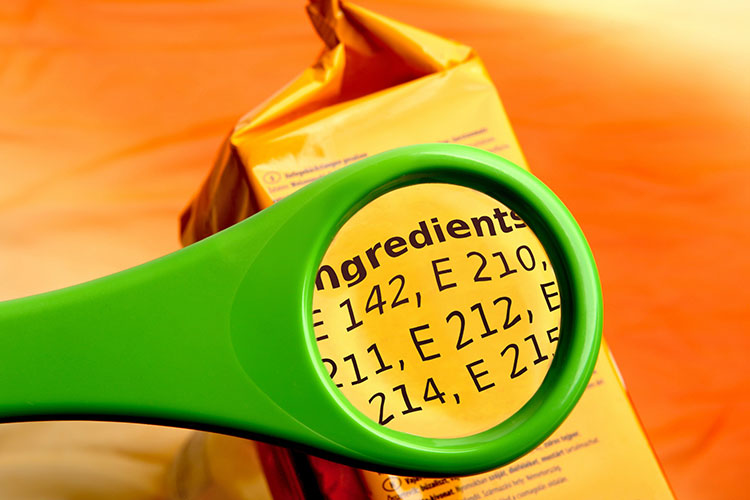
Citri-Fi Citrus Fiber Water Holding, Natural Emulsifier, Upcycled, Sustainable, Gelling Properties - Clean Label- Organic

Clean Label Food & Beverage: 2023 Top Searches

Citri-Fi® citrus fiber is an upcycled environmentally friendly food ingredient. From raw material to the finished product, this fiber remains intact and natural as Mother nature intended. Because of this food ingredient, Citri-Fi improves the health, texture and quality over shelf-life in a variety of food and beverages. According to the top keyword searches around citrus fiber, there are four hot clean label food categories ranging from bakery to meat substitutes.

Food trends come and go, however, clean label is here to stay. Although clean label suggests just that, the definition is highly subjective and carries a myriad of meanings. To some this term implies familiarity, naturalness and simplicity. And to others it refers to sustainable and environmentally friendly. Regardless of the clean label food definition, this movement has affected most food and beverage categories to some degree.

Citri-Fi Citrus Fiber  - Clean Label Food & Beverages

Citri-Fi is produced from byproduct of the citrus juicing industry. The clean process, which is free from chemical modifications, is one piece of the green story. Citri-Fi is one of few citrus fibers that uses a process that only contains water and heat to produce this natural ingredient. Other citrus fibers on the market are byproduct of pectin extraction which typically uses solvents and other chemicals in the process. In extraction, the process strips away the native intact pectin which adversely affects the citrus fiber. Some citrus fiber suppliers add the pectin back in to gain additional functionality. Citri-Fi's clean process keeps citrus fiber how Mother Nature intended – full of native intact pectin.

Citri-Fi contributes fiber to various food products which complements other fibers when making fiber claims. In addition to its healthy halo, this natural ingredient’s water holding and emulsification stabilization aids in improving Nutri-Scores - a nutrition label and nutritional labeling system.

In addition to the sustainable procurement, clean process and healthy food applications, Citri-Fi is a clean label ingredient. Labeling options include citrus fiber, dried citrus pulp and citrus flour which resonate well in the clean label markets. Because of this, Citri-Fi is an ideal natural food ingredient to create clean label food.

In 2023, six food categories came up in the Fiberstar keyword search analytics for clean label because of Citri-Fi citrus fiber's natural status. Below provides some insight into the hottest clean label food trends.

(1) Baked Goods – Clean Label Bakery Solutions

Today, bakers are returning back to basics in other words clean label baking formulas. This trend affects a variety of baked goods including (on order of prevalence) bakery fillings, pastry and pastry creams, snacks, bread, tortilla, bakery mixes and cakes. Bakers seek cleaner alternatives to emulsifiers, food gums, modified starches and other stabilizers. Citri-Fi citrus fiber is an ideal fit. At less than 1% usage, this natural ingredient can replace emulsifiers and other hydrocolloids depending on the bakery application to create clean bakery products.

(2) Clean Label Pet Food

Pet owners treat companion animals as their beloved children today also known as the pet humanization trend. As consumers become more cognizant about what makes up their own food, they practice the same diligence with their furry friends' meals. Because of this, consumers peruse label friendly options for both dog food and cat food.

Citri-Fi citrus fiber can be used to create clean label pet food. At less than 1% usage, this natural ingredient reduces breakage in biscuits, improves the tenderness in semi-moist treats and replaces stabilizers in canned or wet pet food.

(3) Dressing, Sauces, Dips and Spreads

This food category is a hot spot for clean label formulations. Many products include (in order of prevalence) mayonnaise, dressings, dips, sauces, jams, culinary pastes and nut butters. Though regular mayonnaise is clean since it contains only three pantry ingredients, other permutations such as flavored, reduced egg or egg-free mayonnaise spreads use stabilizers and other hydrocolloids to improve the texture and shelf-life. Citri-Fi, at less than 1% usage, can replace eggs or extend eggs while maintaining a stable emulsion due to its native intact pectin composition.

In dressings, dips and sauces, this natural citrus fiber’s dual functionality – water holding and emulsification – creates smooth stable textures over time. Again, Citri-Fi can create clean label food by replacing stabilizing hydrocolloids. In jams, Citri-Fi can be used to replace added pectin when used in low pH and high Brix conditions. And in culinary pastes and butters, Citri-Fi can create stable emulsions as long some water is present in the system.

(4) Clean Label Meat Substitutes

The meat alternative category continues to thrive with new product launches. Initially, perfecting the texture and flavor were typical goals. However, now, product developers focus on ingredients and labeling in addition to the texture. Many of the 1.0 versions of meat substitutes produced long labels containing unfamiliar food ingredients. Today, product developers are creating clean label foods that are animal-free including (in order of prevalence) plant-based beef, plant-based chicken, plant-based fish, plant-based pork and plant-based burger patties.

The Citri-Fi portfolio contains citrus fibers with varying particle sizes. Although they contribute fiber and aid in reducing saturated fats in meat alternatives, they also improve the quality. For instance, the Citri-Fi 100 series at less than 1% usage, is used in meat analogs to bind oil and water. As a result, plant-based meats retain their juiciness and succulence. The Citri-Fi TX creates a meat-like and firm texture when used at 2-4%

Other Clean Label Foods

Other hot clean label foods sought out include dairy products like yogurt. Citri-Fi citrus fiber at less than 1% usage controls syneresis to create thick, smooth and creamy textures. In frozen foods, Citri-Fi binds water to minimize crystallization in ice cream, create enhanced sauce textures in frozen meals and provides freeze/thaw stability in a variety of appetizers.

Regardless of the category, Citri-Fi citrus fiber helps formulators improve the nutrition, quality and texture of clean label foods. This natural citrus fiber is non-GMO, allergen-free and gluten-free. It contains no e-number which is relevant to regions like Europe. And now, USDA certified organic is offered.

For more information about Citri-Fi citrus fiber and the latest innovations, please contact us.

(Source: Google Analytics G4, 2023)

Read more →

Bakery Fillings - Citri-Fi Citrus Fiber Thickener, Stability, Creamy Texture, Egg Reduction, Clean Label

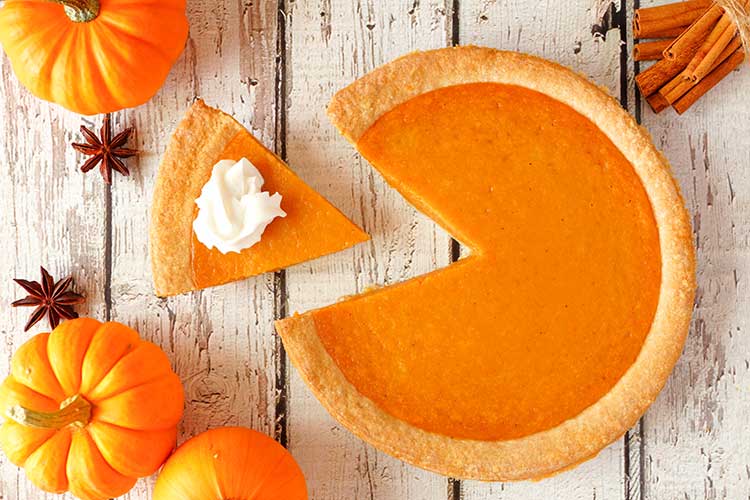
Perfecting the Pumpkin Pie Filling – Citrus Fiber

Pumpkin spice takes center stage when the Fall season hits. Though used in a variety of foods, the spice blend originated from the pumpkin pie which is a staple during the holiday season in the U.S. However, commercial pumpkin pies fall victim to stability and texture issues due to water migration over time. One option is to use the new Citri-Fi® 600 citrus fiber, a neutral flavored citrus fiber which provides water holding, emulsification and viscosity. As a result, when used at low usage levels (<1%) in pumpkin pie filling, this natural ingredient minimizes cracking, shrinking and weeping.

Tis the season when baristas whip up frothy pumpkin spice lattes and shoppers restock their pantries with pumpkin spice everything. Over the years, pumpkin spice penetrated almost every food group including beer, cookies, candy and even butters. This flavor trend evolved into a tradition which marks the dawn of a new season. Despite pumpkin spice’s trendiness, its popularity originated in the traditional pumpkin pie filling.

Pumpkin Pie Filling Pitfalls

As soon as Fall arrives in the U.S., every baker is pumping out fresh pumpkin pies. And like most shelf-stable foods, pies fall victim of stability issues. Over time, water migration causes water to pool on the surface. As a result, the pie tends to form cracks. And with enough water movement, shrinking causes the edges to pull away and the loose moisture turns the crust soggy. These unalluring visuals could sway any customers to alternatives like apple pie.

Most pumpkin pies rely on egg to bind the water and oil which minimizes the weeping. However, depending on the pie formulation, egg alone cannot prevent water migration. And because of egg availability issues and price fluctuations, some producers try to reduce the egg content as a cost savings strategy. This further reduces the egg functionality causing water binding issues. Some workarounds include applying a gel-based surface coating containing different hydrocolloids to mask the weeping and prevent cracking. However, this technique does not address the soggy crust. Another option is to add water binding ingredients such as modified starches, alginates or food gums to the filling.

Egg Reduction & Clean Label

Another solution is to incorporate citrus fiber. The new Citri-Fi 600 citrus fiber line is recommended for bakery fillings such as pumpkin pie filling. At low usage levels (<1%), this neutral flavored citrus fiber provides high water holding and emulsification properties in addition to high viscosity. Because of this, water is bound to prevent the cracking, shrinking and weeping. Moreover, Citri-Fi can also improve the stability and texture of the pie when eggs are reduced. For instance, bakers can reduce eggs up to at least 50% when using 1% of Citri-Fi 600 citrus fiber.

Citri-Fi is easily incorporated into the pie formulation by mixing it with the dry ingredients such as spices, salt or sugar. This step is key before introducing the liquids such as pumpkin, milk and water. The dry ingredient mix is then added to the wet ingredients to create a uniform mixture.

Using Citri-Fi 600 not only improves the overall quality of the pumpkin pie but it also can help reduce the number of ingredients in the pie formulation. As a result, bakers benefit from cleaner and more natural food labels. Citri-Fi 600’s labeling options include citrus fiber, dried citrus pulp or citrus flour which resonate well in the natural food markets.

Other Bakery Filling Benefits using Citrus Fiber

Besides heat stability, Citri-Fi 600 is also freeze/thaw and low pH stable. It is non-GMO Project certified, allergen-free and gluten-free. Citri-Fi 600 also has no e-number which is key for certain regions like Europe. An USDA certified organic version, Citri-Fi 700, will be launching soon.

For more information about Citri-Fi 600 citrus fiber in pumpkin pie filling or other bakery fillings, please contact us.

Read more →

Bakery Citri-Fi Citrus Fiber Moisture Retention, Freshness, Gluten-free, Water Binding, Stability

Gluten-free Ingredients: Next Generation Challenges & Solutions

Gluten-free bakery products continue to be in demand. Though first generation baked goods had superior taste and texture, they lacked nutritional enhancement. As a result, newer versions used new gluten-free ingredients such as plant-based proteins, enzymes, nutritional oils and fibers. Because of this, formulators managed new sets of challenges. Citri-Fi® citrus fiber is a multi-functional ingredient ideal for gluten-free formulating. This natural ingredients binds oil and water which provides moisture retention, binding, improved freshness, emulsification and freeze/thaw stability in a variety of baked goods.

Back in 2005 during my R&D days, gluten-free bakery became the next new hot wave for food formulators. Working in R&D meant you joined sensory panel evaluations or bakery cuttings. And at that time, my bakery team produced never ending rounds of gluten-free breads using a cocktail of starches, gums and gluten-free flours. The polarizing results teetered between a mouth full of sawdust to teeth encased with gummy dough. As a result, formulating with gluten-free ingredients reverted my bakery team to ground zero.

At that time, the goal was to create a gluten-free food that was edible and tasted good. That meant using gluten-free ingredients not typically found in a baker’s toolbox. However, over time, bakers churned out high quality acceptable gluten-free bakery products. Yet, today, gluten-free still faces a few challenges including lack of nutrition. Because formulators primarily focused on taste and texture, they used gluten-free ingredients consisting of lower amounts of vitamins, minerals, protein and fiber versus their gluten-containing counterparts. For instance, first generation formulations contained starches and food gums minus the fortification. Though the market found safe products to eat, they lacked the nutritious and wholesome diet.

However, today, the gluten-free category continues to thrive. Besides Celiac’s disease, gluten and wheat intolerances and allergies, other trendy diets such as paleo, keto and FODMAP spurred further demand for gluten-free products. At the same time, formulating evolved into a more sophisticated task. The toolbox expanded to equip formulators with a variety of plant-based proteins, enzymes, nutritional oils, fibers and formulating techniques. The revised ingredient toolbox and trendy diet fads also created new formulating challenges. Product developers ran into issues with binding, emulsification, moisture retention, crumb formation and structure. Yet, despite the nuisances, there is one gluten-free ingredient formulators needed to add to their gluten-free toolbox – citrus fiber.

Next Generation Gluten-free Ingredients

Citrus fiber, such as Citri-Fi, serves as an ideal functional fiber used in gluten-free formulating. However, not all citrus fibers are created the same. Some citrus fiber suppliers pull byproduct from their pectin extraction processes which at times limits their functionality due to their composition. On the other hand, citrus fibers like Citri-Fi, are upcycled materials created from byproduct of the citrus juicing process. As a result, this citrus fiber’s composition does not change. It remains how nature intended it to be. Citri-Fi consists of insoluble and soluble fiber in the form of pectin. The high concentration of intact native pectin gives this citrus fiber the multi-functionality which is key in gluten-free formulating.

Citrus Fiber's Multi-functionality at Work

Many gluten-free bakery formulations use ingredients that do not provide much viscosity. A popular work around is to use food gums or pregel starches. However, due to Citri-Fi citrus fiber’s fibrous composition, it contributes thickness when hydrated. As a result, this helps thicken up the dough, which typically is more like a batter when working with gluten-free ingredients, and makes handling easier. Formulators typically add Citri-Fi to the dry ingredients such as flour, salt and sugar first before combining with the liquids.

Another key benefit Citri-Fi provides is moisture retention. The citrus fiber’s fibrous matrix traps water and holds onto it at low usage levels (<1%). As a result, this improves the gluten-free breads freshness over time. And because many gluten-free products are typically frozen and slacked out later to minimize staling, Citri-Fi can bind the water and prevent it from migrating during the freeze/thaw process.

Because gluten-free falls under the non-allergenic umbrella, formulators are sometimes tasked to veer away from other allergenic ingredients such as egg, soy and dairy. As a result, they seek out natural emulsifiers to improve the crust and cell formation of the gluten-free bakery products. Citri-Fi citrus fiber binds oil and water in these type of systems. So, depending on the formulation, Citri-Fi, which is non-allergenic, can be used as a natural emulsifier in gluten-free bakery products such as breads, muffins and cakes.

Boosting Nutrition via Fiber

Lastly, as mentioned in the beginning, gluten-free products lack a solid nutritional profile. Using Citri-Fi citrus fiber helps contribute some dietary fiber to the nutritional panel. Though the fiber contribution is limited due to the lower usage level, this citrus fiber can be used with other plant-based fibers to help boost up the fiber content. This gluten-free ingredient’s labeling options include citrus fiber, dried citrus pulp or citrus flour which resonate well in the clean label and natural markets.


Please contact us to learn more about citrus fiber in gluten-free bakery products.

Read more →