Email Us info@fiberstar.net
Call Us +1 (715) 425-7550
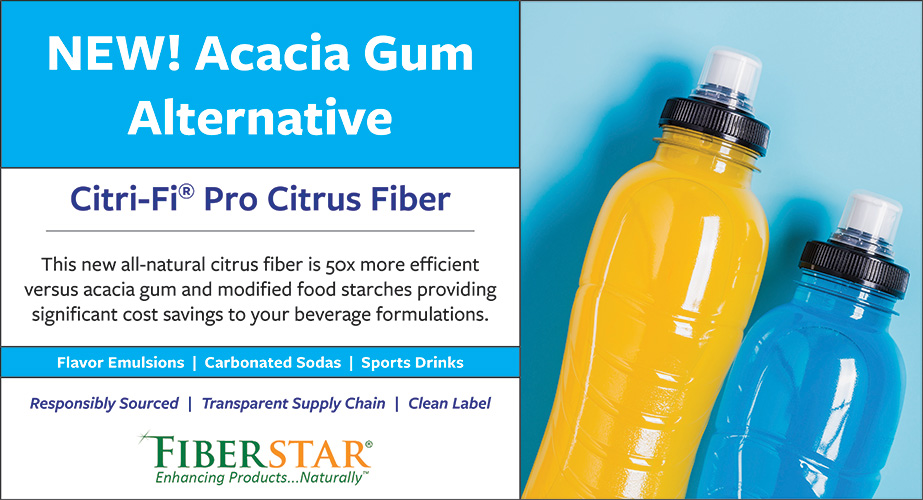
Citri-Fi Pro Citrus Fiber is an acacia gum alternative or modified starch replacement for beverages such as carbonated sodas, energy drinks, sports drinks and flavor sparkling water.

A Natural Alternative to Acacia Gum in Beverages

Beverage makers and flavor houses now have a natural acacia gum alternative, Citri-Fi® Pro citrus fiber, which is responsibly sourced, sustainable and upcycled from the citrus juicing industry.

Solving Acacia Gum Sourcing Challenges

Fiberstar, Inc., the leader of innovative citrus fibers launched an all-natural alternative to acacia gum – Citri-Fi® Pro. For decades, the beverage industry has been searching for an acacia gum replacement due to the geopolitical instability in the Sudan region which is causing humanitarian crises thus posing a question surrounding ethical sourcing. The beverage industry uses acacia gum (gum arabic) extensively to create emulsions.

"This new acacia gum alternative, Citri-Fi Pro, comes at a time when beverage makers are desperately seeking a substitute," says President and CEO of Fiberstar, Inc. John Haen. "Directives such as the proposed EU Corporate Sustainability Due Diligence Directive (CSDDD) would mandate large companies to identify and mitigate human rights and environmental risks across their global operations and supply chains which in the end will affect their ability to source acacia gum from war zones in the future."

Upcycled, Sustainable and All-Natural Citrus Fiber

Citri-Fi Pro is a groundbreaking innovative citrus fiber designed to replace up to 75% of acacia gum or modified food starch in beverages. As a result, this natural food ingredient provides significant cost-in-use savings. Because Citri-Fi Pro is naturally derived, responsibly sourced and backed by a stable, transparent supply chain, this citrus fiber gives global beverage brands a reliable path to maintain beverage quality over time while meeting clean-label, sustainability and risk-mitigation goals.

Citri-Fi Pro is allergen-free and gluten-free. Labeling options include citrus fiber, dried citrus pulp or citrus flour which resonate well in the natural beverage markets.

For more information, please contact CF-Pro@fiberstar.net

______________________________________________________________________________________________________

About Fiberstar, Inc.: Fiberstar, Inc. www.FiberstarIngredients.com is a privately held innovative biotechnology Company focused on enhancing food performance by manufacturing and marketing value-added, plant-based food ingredients. Its largest brand, Citri-Fi®, is a natural, high performing citrus fiber sustainably produced from citrus fruit. The physical process, which is free from chemical modifications, creates high water holding and clean emulsification properties which benefit meat, dairy, bakery, dressings, sauces, frozen food, beverages, pet food, dairy alternatives and meat substitutes. Citri-Fi is GRAS, non-allergenic, non-GMO Project certified and has no E-number. Headquartered in River Falls, Wisconsin with manufacturing in Florida and Wisconsin.

Media Contact
marketing@fiberstar.net

Read more →

GLP-1 Users look for protein enhancement in foods. Citrus fiber is ideal to improve texture and stability.

Protein Enhancement: Citrus Fiber Power

Protein fortification has been on-going for decades from energy seekers to body builders. Today, the GLP-1 users are shaping the protein enhancement trends in various foods like beverages, bakery and yogurts. However, protein comes with its own set of formulating challenges. Citri-Fi® citrus fiber provides water binding and emulsification which aid in improving protein-packed food's texture, stability and nutrition.

Years ago, protein as an ingredient made its main debut via nutrition bars. Trendy as they were, protein bars were a staple found in hikers’ backpacks, kids’ school lunches and the top drawers of office desks. Protein promised energy in the form of a convenient meal replacement. And then the supplement industry cashed in on the protein craze by creating hype around building and restoring muscle. Cheese-making byproduct, such as whey, found a home in protein powders and RTD protein drinks that filled this market need. However, today’s protein enhancement trends revolve around the GLP-1 movement, satiety and healthy aging.

GLP-1 Formulating Trends

GLP-1, which stands for glucagon-like peptide-1, are new weight loss drugs that are the talk of the century. These pharma inventions promise pounds to fly off the waist and thighs. This is due to the GLP-1 users embracing new eating habits which include reducing portion size and increasing the intake of nutrient dense foods. The two healthy ingredients on the red carpet in response to this trend are protein and dietary fiber. Both of these ingredients are commonly found in protein formulations designed for these dieters.

Consumers using the GLP-1 drugs are seeking out products that contain high sources of protein. As a result, food manufacturers responded by pumping protein into conventional food formats like beverages, bakery items, frozen foods, breakfast cereals and pasta. However, each food format has their own protein strategy. And because of this, protein enhancement in foods comes with a range of challenges.

Boosting Beverages: Protein and Fiber

Fortified drinks is one of the common formats for protein enhancement. Beverage makers are supplementing various beverages with proteins like dairy-based whey in milks, sodas and even coffees. At the same time, the heat used in thermal processing to make beverages shelf stable, can unwind protein strands. As a result, this denaturation of the protein causes gelling, cloudiness and sedimentation. Broken down protein composition creates an undesirable chalky and grainy mouthfeel. And if this beverage is plant-based, the added protein can create flocculation (clumping) or creaming.

One fiber-based solution to this dilemma is Citri-Fi citrus fiber. This upcycled ingredient is byproduct of the citrus juicing process. At low usage levels (<1%), Citri-Fi can improve the stability of protein-enriched RTD beverages like shakes or smoothies due to its water binding and emulsification properties. In addition, this natural citrus fiber can improve the creamy and full body mouthfeel of plant-based beverages.

To Better Protein-enhanced Bakery with Citrus Fiber

Baked goods is another protein enriching category. Many GLP-1 users still gravitate toward breads, muffins and bagels during mealtime. However, there are a variety of proteins that are typically used such as whey, milk protein concentrate, soy proteins and isolates, pea protein, fava proteins and egg whites to name a few. Bakers struggle with protein fortification because protein loves to compete for water. It tends to create dry, dense and crumbly bread structures. This is due to the protein diluting the gluten innately found in the flour. When the gluten matrix is loosened, then the dough is weaker causing gas to not be trapped. As a result, this negatively affects the volume and crumb of the protein-enhanced bread.

There are a few workarounds such as adding more water, adjusting the processing parameters and bake times and using a blend of different protein sources. Another solution is incorporating Citri-Fi citrus fiber at low usage rates (<1%). As mentioned, this citrus fiber binds water and provides emulsification. As a result, breads tend to retain moisture over time giving it a fresh appeal over shelf life.

Protein-packed and Stable Textured Yogurts

One last food format that innately contains protein due to its dairy or plant-derived bases is yogurt. Yogurt is the poster child for health and wellness. Despite its fame, producers are loading yogurts up with even more protein. Some achieve this by using different processing such as strained yogurts which become Greek-style yogurts with higher protein concentrations. Alternatively, others are adding in milk protein concentrate, whey protein, casein and/or skim milk powders to boost the protein content. But, added protein weakens the gel structure. As a consequence, water weeps out of the protein matrix and causes syneresis. In other words, the water separates from the yogurt and pools on the top.

Other issues using ingredients in the protein space include grainy or chalky mouthfeels and excessive thickening. And due to the thermal processing used in creating yogurts, protein strands can denature and create separation. Many yogurt formulators use stabilizers to solve these issues. However, some of these stabilizers are not perceived to be label friendly. One solution for protein-enhanced yogurts is to use Citri-Fi citrus fiber. The water binding and emulsification power aids in minimizing the water separation. Because of this, protein packed yogurts are thick, smooth and creamy. Citri-Fi improves dairy-based and plant-based protein-enriched yogurts.

Protein-infused Foods: Now and Later

The protein wave will continue to be fueled by not only the GLP-1 users but also those consumers seeking energy, healthy aging and sustenance. For now, product developers are building the formulation road map for protein fortified foods.

In the future, the anticipation is that AI (artificial intelligence) will reduce the trial and error of developing these foods. And with continued nutrition research, food manufacturers and academia will create more science around protein bioavailability and the physiological effects of consuming various proteins. This will aid in producing the most efficient protein solution to improve the consumer’s life.

Citri-Fi citrus fiber is an ideal tool which can be key in formulating in the protein space to achieve protein enhancement. This natural citrus fiber is non-GMO Project certified, allergen-free and gluten-free. There is no e-number which is ideal for certain regions like Europe. And labeling include citrus fiber, dried citrus pulp or citrus flour which resonate well in the clean label markets.

For more information, please contact us.

Read more →

Formulating GLP-1 foods using Citri-Fi citrus fiber

Formulating GLP-1 Foods using Citrus Fiber

GLP-1 drugs entered the limelight promising weight loss to handfuls of overweight and/or diabetic consumers. Despite shedding the pounds, consumers also grapple with finding healthier foods tailored to their new diet regime. Two ingredients, fiber and protein, are staple ingredients when formulating GLP-1 foods. This includes upcycled Citri-Fi® citrus fiber, which at low usage levels (<1%), binds water and oil to improve texture, stability and nutrition in a variety of foods like nutritional bars, protein shakes, yogurts and frozen meals.

Another miracle worker pill joined the cluster of weight loss products and services. But this time, the class of GLP-1 drugs or GLP-1 receptor agonists hit the public eye due to its speedy results – shedding the unwanted pounds. GLP-1 stands for glucagon-like peptide-1. This hormone resides naturally in the human body. Not only does it help regulate blood sugar and suppress the appetite, but there are also other benefits which include slowing the digestive process. As a result, people feel fuller for longer.

Several of these GLP-1 drugs hit the U.S. market including Wegovy, Ozempic and Mounjaro. They each have their own physiological mechanism which aids in achieving the end goal of losing weight. However, despite this magic bullet’s weight loss promise and catchy commercial jingles, GLP-1 consumers quickly realized that their previous diet needed to be tailored to their new drug regime. Formulating GLP-1 friendly foods opened the door for opportunities.

The GLP-1 Effects on the Food Industry

Currently, the verdict is out whether this new pharma invention will impact food and beverage sales. Some companies decided to play the wait and see game. While others embraced the market opportunity and launched new products. But why would companies be on edge with this wonder drug?

First off, since GLP-1 drugs slow down the gastric emptying, consumers tend to eat smaller portion sizes. When one does the math, reducing the portion size equates to lower food and beverage sales. Another effect of the drug is that consumers are not reaching for high caloric, low nutrient dense foods like savory or sweet snacks, alcoholic drinks or sweetened beverages. They prefer healthier options. Because of this, GLP-1 consumers are shopping the outer edges of grocery stores looking for whole and nutritious foods versus processed foods. And for those who want healthier versions of their previous diet, they are seeking out GLP-1 foods created specifically with them in mind.

Secondly, this new drug line creates some uncertainty for the weight loss product world. These include products such as nutritional bars, frozen meals, shakes and powdered drinks. Either the companies will need to re-formulate to make their products more GLP-1 friendly or create new product lines specifically targeting this market.

Formulating GLP-1 Foods: Protein and Fiber      

This group of consumers tend to limit their refined carbohydrates and fat intake and focus more on the fortification of the foods. The key ingredients in GLP-1 foods are protein and fiber. The dietary fiber helps consumers feel satiated and aids in healthy digestion. Alternatively, the protein also helps with the feeling of fullness, but, it plays another crucial role in the new diet.

GLP-1 weight loss does not just target undesirable fat. It also leads to incidental muscle loss. And in elders, this can exacerbate a condition called sarcopenia. Therefore, formulating GLP-1 foods needs to incorporate dietary fiber and high levels of protein to help consumers improve their overall wellbeing. In addition, other food ingredients such as biotics, electrolytes and zero calorie sweeteners are other formulating tactics to improve the overall nutritional profile of GLP-1 foods. Sought out foods include eggs, nuts, legumes and unsweetened yogurts.

GLP-1 Ingredients Weigh in Citrus Fiber

Dietary fiber, being a panacea ingredient, comes in various forms. They differ by botanical source, processing methods and composition. Citri-Fi is an upcycled fiber from the citrus juicing industry. The process, which is free from chemical modifications, opens up the fiber to create high water holding and emulsification properties. Because of this dual functionality, Citri-Fi can improve the texture, stability and nutrition of a variety of food and beverage formats.

When formulating GLP-1 friendly food, Citri-Fi can enhance the eating experience while still staying within the consumer diet parameters. For instance, protein shakes are a popular go-to meal replacement or snack for GLP-1 consumers. Citri-Fi citrus fiber, at less than 1% usage, creates additional viscosity and creamy texture without the use of food gums or starches. As a result, the food labeling stays clean.

Dairy products such as yogurts are another preferred food staple due to its innate healthy halo and inherent protein content. In some cases, manufacturers are enhancing yogurts to contain additional protein. At the same time, yogurts suffer syneresis or water separation during storage. Hydrocolloids like pectin, carrageenan, guar gum and modified food starch are typically used to minimize syneresis. However, a clean label option is Citri-Fi citrus fiber. At low usage levels, this citrus fiber binds the water to control syneresis over time. Due to its small granular size, Citri-Fi creates a creamy and thick texture.

Another popular GLP-1 food comes in the form of a frozen meal. Many of these food items rely on dressings and sauces to create a flavorful eating experience. However, the freeze/thaw cycle tends to break down sauces which causes water and/or oil to separate. Citri-Fi, at low usage levels, can bind the water and/or oil to create a stable sauce during heating and freeze/thaw storage conditions.

Besides being a dietary fiber, Citri-Fi is also non-GMO Project certified, allergen-free and gluten-free. There is a USDA certified organic version, the Citri-Fi 400 series, which provides the same benefits as the flagship 100 series. Labeling options include citrus fiber, dried citrus pulp or citrus flour which can be used when formulating GLP-1 foods.

Counting Calories or Counting Days

Will GLP-1 drugs be the blockbuster marvel for years to come? Consumers will be the ultimate barometers when it pertains to the effectiveness of weight loss drugs. It will take some time for these new drugs to be vetted by the public. In the meantime, some food companies that jump on the product development bandwagon may reap the short-term financial payouts. On the other hand, other companies may count the days anticipating a shake-out before investing. For those food and beverage companies willing to take the gamble, ingredients like Citri-Fi citrus fiber are available to shorten the development time, improve the quality and clean up the labels.

For more information, please contact us.

Read more →

Citrus Fiber in supplements and nutrition - gummies, tablets, bars, beverages

Dietary Supplement Solutions: Citrus Fiber Delivers Benefits

The supplement world grew into a colossal category which includes various nutritional ingredients and delivery systems. Due to better-for-you, clean label and sustainability trends, developers are seeking new dietary supplement solutions to address the market trends. Citrus fibers such as Citri-Fi® addresses these needs with its fiber content, sustainability story and functional benefits.

Remember the days of taking your vitamins? For some it was throwing back cod liver oil using a spoon without gagging while for others it was chewing up chalky cartoon figures. Regardless the type and format, these dietary supplement solutions are still alive and kicking today. This category exploded offering everything from botanical herbs to enzymes which is more advanced than the snake oil days. And the available formats are limitless.

What’s Shaking in the Supplement World

Today, supplements mean more than just taking your vitamins. This category also includes herbs, minerals, enzymes, amino acids, probiotics and botanicals. As a result, there are various delivery systems now such as tablets, capsules, powders, gummies and liquids. Currently, these nutritional ingredients are now added to functional foods like beverages (powdered or RTD) and nutrition bars.

Several market trends are affecting this category including better-for-you formulations, clean label and sustainability. For example, product developers are looking for options to reduce sugar in beverage and gummy formats to improve the nutritional profile. In other instances, due to consumers probing eyes, some products are being re-formulated with cleaner labels. The subjective definition of clean label can range from allergen-free to vegan-based. Nevertheless, new dietary supplement solutions are needed to meet these trending requirements.

Citrus Fiber: A Piece of the Dietary Supplement Solution

One overlooked ingredient in the supplement category is citrus fiber. Most of the public automatically assumes that this is a fortifying fiber used to make fiber claims. Though citrus fiber contributes dietary fiber, it is typically used at low usage levels (<1%). Its primary benefit is the natural functionality that the insoluble and soluble fiber provides in various supplements such as water binding, emulsification and gelling.

However, not all citrus fibers are created equal. Citrus fiber’s largest differentiation is the process used and the composition of the final product. In the end, the composition generates the functional benefits which improves the quality, texture and natural mouthfeel of various supplements. For instance, Citri-Fi citrus fiber is created from byproduct of the citrus juicing industry. The process, which is free from chemical modifications, opens up the fibrous matrix to create high water holding and emulsification properties. Other citrus fibers on the market are byproduct of the pectin extraction process. Even though they are considered upcycled like Citri-Fi, they may use chemicals or solvents to process their citrus fiber which is far from what Mother Nature intended. Citri-Fi’s composition is as close to its original form in nature.

Benefits in Beverages, Gummies and Nutrition Bars

Beverages can be powdered formulations or ready-to-drink (RTD). Citri-Fi when used between 0.1% and 1% provides both beverage types clouding, natural mouthfeel and emulsification properties. In addition, Citri-Fi aids in pH stability in RTD beverages. To use, Citri-Fi is typically added to the dry powder mix before liquids are added. This prevents clumping during the hydration process. However, one can also add Citri-Fi to liquids as long as there is strong agitation present.

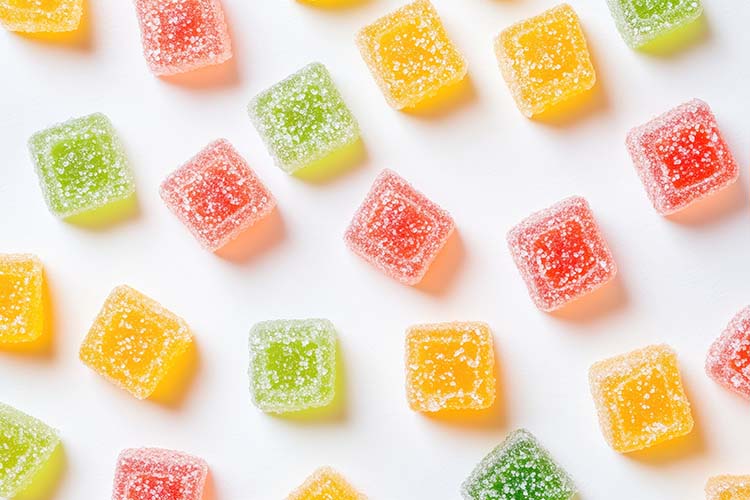
In gummies, Citri-Fi is used to extend pectin in pectin-based formulations. In addition, this citrus fiber can replace topical powdered sugar. This not only reduces the sugar content of the gummy, but also serves as an anti-sticking agent. By doing this, formulators can create better-for-you and clean label gummy versions. Dietary supplement solutions like these that provide dual benefits help product developers meet their formulating goals with less stabilizers, thickeners and emulsifiers.

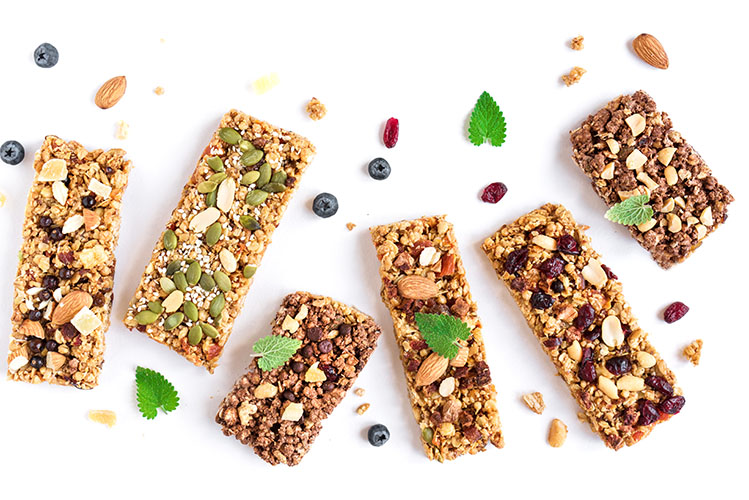
And in nutrition bars, Citri-Fi, when used between 0.3% and 1%, binds oil, emulsifies, and improves the texture. This citrus fiber performs well in various applications such as enrobed or coated and filling-based nutrition bars.

Exploring Other Nutritional Supplement Uses

Citrus fiber also can be used as a plating agent for both oil and water-based food ingredients. This natural ingredient has a load up to 25%-50% depending on the substance. To use, the solution (oil or water-based) is poured into the citrus fiber and mixed over time. Citri-Fi will bind the solution using its high surface area and turn the liquid into a free-flowing powder.

Citri-Fi citrus fiber is a great tool when used in a dietary supplement solution. It’s fiber status, sustainable green story and labeling options which include citrus fiber, dried citrus pulp or citrus flour are a natural fit in the supplement world. Citri-Fi is non-GMO, allergen-free and gluten-free. Certified organic versions, Citri-Fi 400 series, is available for those producing organic food and beverages. This food ingredient also has no E-number which is relevant to regions like Europe.

For more information about Citri-Fi citrus fiber, please contact us.

Read more →

Sustainability, Environmentally Friendly, Upcycled Citri-Fi Citrus Fiber

Upcycled Citrus Fiber Debuts at SupplySide West

Fiberstar, Inc. will be exhibiting at SupplySide West 2022 which attracts attendees globally to meet and greet food ingredient suppliers promoting their innovation in food, beverage and supplements. Amongst the exhibitors, Fiberstar will showcase its Citri-Fi® upcycled citrus fiber which improves the texture and labeling of a variety of foods.

SupplySide West lassos together food ingredient companies serving the food, beverage and dietary supplement markets. Among these customers, many participate in the fast growing natural, organic and functional food segments. Though historically, this show catered to those within dietary supplements. Today, this show attracts attendees globally who seek innovative solutions such as upcycled citrus fiber for functional food and beverages.

Fiberstar, Inc. will exhibit at this upcoming show at booth #2259. The team will showcase its flagship Citri-Fi citrus fiber which is produced from byproduct of the citrus juicing process. Besides the fact that this upcycled ingredient supports a sustainable story, it also provides multi-functionalities including water holding and emulsification. As a result, this natural food ingredient benefits a variety of food applications including beverages, nutritional bars and gummy-based supplements. 

Boosting Beverages

Citri-Fi citrus fiber improves various beverage types including ready-to-drink (RTD) beverages, powdered drinks and smoothies. The water holding feature of the insoluble/soluble fiber enhances the mouthfeel and texture of powdered drinks. And due to the high surface area, Citri-Fi serves as a dry plating agent holding up to 25% oil to turn liquids into flowable powders. This same fibrous matrix also contributes some thickness which allows it to extend fruit and/or vegetables in smoothies or juice nectars in addition to improving the mouthfeel.

Bringing up the Bar

Today, the market offers a plethora of nutritional bars. Many of these bars require water holding agents to help minimize dryness which adversely affects the stability and texture. At less than 1% usage rate, this upcycled citrus fiber can be incorporated into bars keeping them soft and pliable to prevent teeth cracking. This applies to bar coatings, fillings and bases. For example, Citri-Fi improves the texture and freshness of a baked coating in addition to its fruit filling.

Going Gummy

Analysts predict that the gummy market is growing leaps and bounds making it the new frontier for supplements. The gummy format grew in popularity due to its sugary appeal and chewy texture which eases edibility versus swallowing traditional tablets. Today, supplement manufacturers have convinced consumers there is a solution for every human ailment. And that solution comes in the form of a gummy. However, due to recent current events, the hydrocolloids (pectin, gelatin, modified starches, alginate, etc.) that form gummies still struggle with availability. As a result, other ingredients such as upcycled citrus fiber provide formulators a clean label alternative.

Since Citri-Fi citrus fiber contains high levels of intact native pectin, it can be used to extend some hydrocolloids in gummy formulations. Or this natural citrus fiber can be used in conjunction with other hydrocolloids to create similar textures. And because Citri-Fi qualifies as a dietary fiber under the FDA guidelines, it also contributes fiber on the nutritional label.

Upcycled Citrus Fiber Added Benefits

Besides benefitting health and wellness foods, Citri-Fi’s dual functionality also improves a variety of foods including dairy, bakery, pet food and plant-based foods like meat substitutes and dairy alternatives.

Non-GMO Project Certified  |  Allergen-free  |  Gluten-free  |  No E-number  |  Organic (coming soon!)

Learn more how Citri-Fi can help your food products by contacting us!


Read more →

Beverages and Drinks: Citri-Fi Citrus Fiber Provides Stability, Pulp Replacement and Natural Mouthfeel

Drink up! Pulp Replacement Beverage Ingredients

During market fluctuations, beverage processors look for cost saving strategies such as using pulp replacement beverage ingredients. Citri-Fi® citrus fiber, due to its intact soluble and insoluble fiber, mirrors pulp texture and enhances body of a variety of beverages including fruit nectars, juices, smoothies, instant drinks and meal replacements.

Fruit pulp, a natural texturizer, gives juice beverages the body and mouthfeel that consumers expect. This fruit fraction creates multiple textures. For instance, juicers extract liquid and pulp together to create an orange bliss. And whole fruit including pulp is whipped using a high sheer blender to make a frothy smoothie. In food processing, fruit pulp is often added back into fruit juices. However, when the markets fluctuate, fruit or vegetables may swing in price. As a result, processors look for pulp replacement beverage ingredients which are more cost effective than using fruit pulp itself.

Many beverage types use pulp such as fruit nectars, juices, smoothies, instant drinks and even meal replacements. To replace pulp, processors look for ingredients that resemble the fruit pulp itself such as fruit or vegetable fibers. This strategy not only keeps label declarations simple, but also it connects with the consumer. Other options include using starches or food gums. Though these type of ingredients create additional viscosity, they fall short on the pulp-like texture. And due to the clean label movement, modified starches and some food gums fall under scrutiny.

Pulp Replacement Ingredients Go Fruity

Citri-Fi, an upcycled citrus fiber, is derived from byproduct of the citrus juicing industry. The mechanical process is free from chemical modifications and keeps the fibrous structure intact like nature intended. The composition includes both soluble (in the form of pectin) and insoluble fiber. Because of this, the fibrous structure mirrors fruit pulp. As a result, processors can use Citri-Fi as a pulp replacement beverage ingredient to add back the pulpy texture and enhance the body.

Processors can add this natural ingredient to the dry ingredients such as sugar before adding to the liquid ingredients. Another option suggests adding Citri-Fi to the liquids using a high shear blender. Recommended usage levels range between 0.3% to 1.0%.

Besides the textural benefits, Citri-Fi also improves the labeling. This natural ingredient’s labeling options include citrus fiber, dried citrus pulp or citrus flour which resonate well in the clean label market. Citri-Fi is also non-GMO Project certified, gluten-free, allergen-free and has no e-number. Additionally, this natural ingredient contributes fiber to the nutritional label.

Case Study: Mango Nectar and Citrus Fiber

During a time of high mango pricing, a customer requested Citri-Fi citrus fiber to replace some of the mango pulp in a nectar drink. Citri-Fi was incorporated into the sugar at 0.37% of the total formulation and then added to the liquid phase (water and mango pulp). Due to Citri-Fi’s water holding and thickening power, the customer added 4% more water to target a specific pulpy texture. In other words, Citri-Fi to water ratio equated to (1:13). Using this strategy, the customer replaced 15% of the mango pulp. Pulp replacement beverage ingredients like Citri-Fi citrus fiber make it possible for processors to not only save money but also deliver pulpy texture and enhanced body.

For more information, please contact us!

Read more →

Dry Plating: Citri-Fi Citrus Fiber Turns Liquids into Free-Flowing Powders

Turn Oil into Powder: A Medicinal Dilemma

Medicinal oils though used “as-is” tend to be more user-friendly in oil powder form. However, to turn oil into powder comes with challenges. Citri-Fi® citrus fiber’s high surface area binds large amounts of oil. As a result, this natural clean label ingredient converts liquid oils into flowable powders. Additionally, Citri-Fi can be used in finished food products to improve quality, texture and nutrition.

Dry or powdered foods existed since prehistoric eras. Drying foods extended the availability for longer periods of time which became an essential survival technique. Not only did it preserve foods like meats but it also eased travel with less weight to carry. Today, a variety of foods come in powder form for similar reasons such as beverages, soups and sauces. Drying off the water to convert the food into powder was a commonality among all these foods. At the same time, a growing need emerged to turn oil into free flowing powder.

A rising demand to create oil powder stemmed from various reasons including increased shelf stability, economic benefits, safety and/or ease-of-use. Because of this, the medicinal oil market began to investigate how to deliver their product in a more efficient form. The challenge was finding a clean label or natural way to do this.

Dual Purpose Citrus Fiber: Dry Plating and Functional Fiber

Citri-Fi citrus fiber is byproduct of the citrus juicing process. This upcycled food ingredient contains high surface area, pore volume and an amphiphilic chemical composition making it suitable as both a carrier and emulsifier for converting liquid or viscous medicinal oils into dry free flowing powders. As a result, this can be either used in a dry form or hydrated to form stable emulsions. For example, Citri-Fi binds CBD oil at 50/50 ratio and remains a flowable powder, However, in a hydrated form, Citri-Fi binds 8 times its weight in oil and maintains a stable emulsion. Besides acting as a carrier, this natural citrus fiber improves the quality, texture and nutrition of finished foods.

Using Citrus Fiber in Medicinal Foods

Many medicinal oils are incorporated into food products such as baked goods, beverages and confections. As mentioned, Citri-Fi not only binds oil, but also water. As a result, this natural citrus fiber improves freshness over time and can replace unfavorable ingredients such as egg or chemical emulsifiers in bakery items. In beverages, Citri-Fi sustains mouthfeel, texture and clouding. Lastly, this natural ingredient enhances texture in confections like gummies. Ultimately, this clean label ingredient can not only create oil powders, but also, provide additional functional benefits in finished food products.

Citri-Fi is non-allergenic, gluten free and Non-GMO Project certified. Also, Citri-Fi contributes fiber. Labeling options include citrus fiber, dried citrus pulp or citrus flour which all resonate well in the natural and clean label markets.

To learn more about turning oil into powder using Citri-Fi citrus fiber, please contact us. Application sheets are available upon request.

Read more →

Plant-based Milks - Citri-Fi Citrus Fiber Stability, Clean Label, Natural Creamy Mouthfeel

Making Oat Milk using Clean Label Citrus Fiber

Oat milk is a rising star in the plant-based milk world. Making oat milk clean label can be challenging. Yet, clean label Citri-Fi® citrus fiber provides enhanced mouthfeel and stability when additional functionality is needed.

You know the saying, “there is a flavor for everyone”. This also applies to plant-based milks too. Today, the market offers a plant-based milk for everyone. Though almond milk remains the top contender in the plant milk world, other bases are making strides. For instance, oat milk continues to rise like a star due to its versatility, healthy halo reputation and creamy texture.

Some oat milks rely on stabilizers such as gellan gum to improve the texture and stability. However, many oat milks on the market depend on the beta-glucan innately tucked away in the oat itself to create high quality drinks. And that beta-glucan gives oats its heart healthy reputation.

Improving the Oat Texture with Citrus Fiber

Although the oat base creates desirable plant milk attributes, some milks require additional stability. However, at the same time, adding ingredients to oat milk while maintaining a clean label poses challenges. Like oats, Citri-Fi® citrus fiber contains native soluble fibers that provide high functionality at very low usage levels (0.1 to 0.4%). This citrus fiber’s intact pectin content contributes improved mouthfeel and additional stability.

Because Citri-Fi’s fiber expands in shear conditions, a single or double homogenization step will create thicker and smoother textures. From this, plant-based milk producers can optimize the oat and citrus fiber usage level to improve the texture and nutritional contributions. These superior characteristics sets this citrus fiber apart from others on the market.

For instance, this natural upcycled ingredient is created from byproduct of the citrus juicing industry. And because it is one of few citrus fibers that use a patented process free from chemical modifications, producers prefer its superior functionality. Its green existence complements any brand’s sustainable story. Additionally, Citri-Fi’s labeling options include citrus fiber, citrus flour or dried citrus pulp which all resonate well in the natural markets. As a result, producers making oat milk benefit from a clean label.

Read more →

Citri-Fi Citrus Fiber Improves Nutri-Score - reduces fat, reduce sugar, reduce calories, reduce cholesterol, egg reduction, fat reduction, contributes dietary fiber.

Improve Your Nutri-Score using Citrus Fiber in Foods

Citri-Fi® functional citrus fiber provides high water holding and emulsification properties. As result, this natural ingredient improves the Nutri-Score by reducing calories, fat, sugar and salt while contributing fiber. In the end, Citri-Fi not only enhances food and beverage quality but also improves the nutrition label which gives consumers healthier choices.

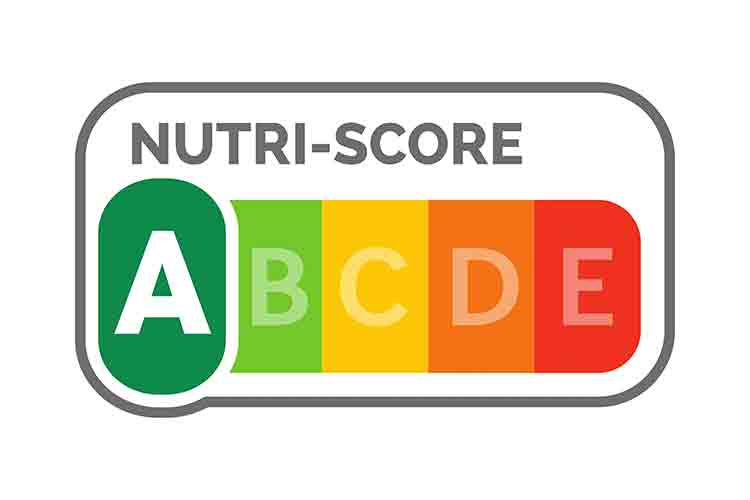
The Nutri-Score is a type of traffic light system which helps consumers in the EU to choose “healthier” foods. For instance, this scoring system classifies foods and beverages into five groups starting with A (green) to E (red). Food ingredients are ranked from 1 to 10 which is then summed up to calculate a letter grade. It is this letter grade that highlights whether the food is healthy or not. For example, ingredients like sugar, saturated fats and sodium worsens the score. On the other hand ingredients like protein and dietary fiber improves the score. From this nutrition label, consumers quickly discern the nutritional value of the product. Ultimately, this system encourages consumers to pick healthier choices and puts more emphasis on their diet.

Citri-Fi Citrus Fiber Positively Affects the Nutri-score

Citri-Fi citrus fiber is produced from upcycled bio-material or byproduct of the citrus juicing process. The patented process which is free from chemical modifications opens up the fiber to provide high water holding and emulsification properties. As a result, these functionalities improve food and beverage products quality and Nutri-score. For instance, at small usage levels (0.2% to 1.0%), Citri-Fi improves the score by reducing calories and fats in addition to creating better textures in salt and/or sugar reduced food products. Additionally, Citri-Fi improves the score by increasing the fiber content of the food and beverage.

Food Products and Improved Nutrition Labels

This citrus fiber benefits various food products. For example, in bakery foods, Citri-Fi’s high water holding and emulsification properties helps reduce fat, oil and/or egg while contributing fiber. Other functional benefits include improved structure and perceived freshness over time. In dairy, ice cream, sauces and dressings, this natural citrus fiber reduces fat and improves texture of sugar-reduced products. While in beverages Citri-Fi improves mouthfeel while contributing fiber. And in meats, this natural food ingredient reduces fat and salt while providing emulsification for good oils.

In the end, removing the unhealthy ingredients from food and beverages at times reduces the product quality. Depending on the formulation, these ingredients provide also functional benefits in addition to their organoleptic contributions. Using natural highly functional fibers like Citri-Fi allows product developers to either replace or reduce those negatively perceived ingredients without compromising product integrity. Moreover, Citri-Fi cleans up the food nutrition label and statement since its labeling options include citrus fiber, dried citrus pulp or citrus flour.

Read more →

Citri-Fi Citrus Fiber Water Holding, Natural Emulsifier, Upcycled, Sustainable, Gelling Properties - Sustainability - Eco-friendly - Upcycled

Citrus Fiber/Fibre: Frequently Asked Questions

Citrus fiber is the "go-to" clean label ingredient, especially Citri-Fi® citrus fiber. This natural citrus fiber sets itself apart from other citrus fibers due to its sustainable story, patented technology and superior functional benefits. For instance this citrus fiber or citrus fiber extract provides high water holding, emulsification and gelling properties. In addition, it cleans up food labeling. Learn more about this superior citrus fiber by checking out the frequently asked questions.

Because of citrus fiber's clean label functional benefits in food and beverage products, the food industry placed citrus fiber in the limelight. As a result, customers continue to ask questions about this superior natural ingredient. Below, we captured and shared common questions asked about this excellent clean label food ingredient.

Citrus Fiber: Frequently Asked Questions

1. What is Citrus Fiber? 

Citrus fiber consists of insoluble and/or soluble fibrous components of citrus fruits such as orange, lemon and limes. Though most people automatically assume that food makers use citrus fiber for fortification purposes such as "adding fiber", this is not the case for citrus fibers like Citri-Fi®. Not all citrus fibers are created the same. For instance, Citri-Fi uses a process free from chemicals to convert byproduct or "upcycled" material produced by the citrus juicing industry into higher valued products. As a result, the patented mechanical process opens up the fiber to provide high surface area.

Because of the high surface area and composition, this citrus fiber can be used at very low levels while providing high functional benefits such as water holding, emulsification and gelling. Citri-Fi contains high amounts of both insoluble and soluble fiber, especially native pectin, that provide the functional benefits. Because of this, Citri-Fi improves texture, taste and stability of food first and contributes some dietary fiber second.

Key differences separate Citri-Fi citrus from others in the market. Citri-Fi adheres to a sustainable model using byproducts from food processes. Other fibers use grind and grow models. In other words, other suppliers specifically source their materials from products grown specifically to be processed into plant fibers. In addition, some citrus fibers contain mostly insoluble fiber. As a result, they provide limited functionality in the food product. Lastly, Citri-Fi uses a process free from chemical modifications. Other processors use alcohol washes and other chemicals to create their products.

2. What is Citrus Fiber Made From?

Citrus fiber can be made from different citrus fruits such as orange, lemon or limes which are the most common raw materials.

3. What is Citrus Fiber Extract?

Citrus fiber extract serves as another description for citrus fiber. Some ingredient suppliers use this terminology to try and differentiate their citrus fiber products from others in the market. Ultimately, food labeling trumps when it comes to describing this natural ingredient. For example, the FDA labeling guidance for Citri-Fi includes the following options: citrus fiber, dried citrus pulp or citrus flour. And the USDA fallows citrus flour or dried citrus pulp. These labeling options resonate well in the natural and clean label markets.

4. Is Citrus Fiber a Natural Emulsifier?

Not all citrus fibers on the market provide emulsification benefits. However, Citri-Fi citrus fiber does. This natural citrus fiber extract has high surface area that easily traps water and oil. Also the fibrous composition contains lipophilic and hydrophilic ends which attracts the oil and water into the matrix which further binds the two. For instance, Citri-Fi binds oil and water to create emulsions that are used in food applications such as dressings, sauces, beverages, dairy and meat alternatives like patties. Another feature is that this natural citrus fiber serves as a plating agent. In other words, Citri-Fi, when mixed with oil, turns difficult-to-use liquids into flowable powders. As a result this benefits foods like beverages, meats and sauces.

5. Is Citrus Fiber an Allergen?

Citrus fiber is allergen-free.

6. Is Citrus Fiber Gluten-free?

Citrus fiber is also gluten-free.

7. What is Citrus Fiber Composition?

As mentioned before, citrus fiber composition varies depending on the supplier. Each supplier uses different processing methods as well as sources different raw materials. Citri-Fi citrus fiber contains about 70% total dietary fiber consisting of both soluble and insoluble fiber. Moreover, this citrus fiber consists of high amounts of intact native pectin. In other words, this composition is as close to natural as nature intended. Other citrus fibers may contain more insoluble fiber. As a result, these types of citrus fiber need to be blended with other hydrocolloids to provide the same benefits as Citri-Fi citrus fiber.

Read more →