Email Us info@fiberstar.net
Call Us +1 (715) 425-7550
Global Food Trends in 2026 - Health, Traditional Foods and Sustainability

Global Food Trends in 2026

The global food trends in 2026 include improving health, preserving traditional food and supporting sustainability. Whether it is pumping foods with protein or creating authentic regional culinary pastes, Citri-Fi® citrus fiber’s high water holding and emulsification properties can improve the texture, stability and nutrition of a variety of food and beverages.

Global food trends point to wellness, heritage eating and sustainability in 2026. But what does wellness mean in the food industry? Why are consumers reverting back to traditional foods? And what sustainability initiatives are shaping how food is developed? The world is massive but at the same time, it shares common culinary trends and food processing shifts. Let’s take a look at some of the regional market dynamics shaping up the global food trends in 2026.

North America: Health, Protein, Heritage and Sustainability Food Trends

The word-of-the-year is protein. Protein enrichment is seizing the food industry from beverages to breads. One of the key drivers propelling the U.S. and Canada’s protein foods points to the GLP-1 weight loss drugs. These dream prescriptions are melting away pounds from weight-challenged individuals. Because of these miracle remedies, GLP-1 consumers are eating less and seeking out nutrient-dense foods. As a result, product developers are stuffing protein in every food option imaginable, cutting the portion size and spitting out new products in the market with lightening speed. At the same time, protein fortification as a health trend comes with formulation challenges.

Adding protein to foods like bread, sauces and beverages alters the texture and stability of the food. Product developers need to re-formulate these foods using additional hydrocolloids likes starches and food gums to control water movement. At the same time, Citri-Fi citrus fiber, known for its high water holding and emulsification properties, is an alternative to hydrocolloids that can improve the quality of protein-rich foods. Citri-Fi citrus fiber’s benefits at low usage levels, <1%, can improve the texture, stability and nutrition of food and beverages.

The North American folk's attention to health and wellness also spearheaded a gastronomic movement involving heritage eating. In other words, consumers seek out foods that are back-to-basics or back to traditional food sources. For example, consumers are cooking classic dishes from their ethnic roots or adding more fermented foods into their daily mix. And this health and wellness and artisanal dining trend includes the focus on sustainability. Environmentally friendly food choices now entail food source transparency, food packaging reuse and food waste reduction. All of these elements are shaping the global food trends of 2026.

South America: Environment, Ancestral Eats, and Social Food Trends

Point your compass south and gallop over 4,000 miles to Latin America. Food trends range from ancestral eating to social dining followed by sustainable sourcing. Foodies are reverting back to traditional food staples like root vegetables such as aria, mashua, yacon and arracacha. Other examples include incorporating Melipona honey to drinks and the use of unsweetened acai in savory dishes.

In addition to celebrating authentic foods, folks are choosing family style or socially shareable foods in the spirit of mindful experiences. Nothing can substitute the happiness of breaking bread with family and friends. At the same time, LATAM consumers are also demanding healthy and clean ingredients. Gone are the days of ultra processed foods and imitation bites. Consumers are seeking naturally nutritious ingredients such as legumes, grains and vegetables.

However, creating home-style foods that are ready-to-eat require some natural ingredients to prevent water or oil separation. Regardless if the offering is refrigerated or frozen, food texture is affected from water migration. Citri-Fi citrus fiber’s high water holding helps bind that moisture to keep bread moist and sauces smooth and stable over time. Citri-Fi is created from citrus peel byproduct of the citrus juicing operations. Because of this process, which is free from chemical modifications, Citri-Fi is a sustainable food ingredient. This natural ingredient’s labeling options include citrus fiber, dried citrus pulp or citrus flour which resonate well in the natural markets.

Europe: Clean Ingredients, Gut Health, Plant Foods and Sustainability

Across the pond in Europe, consumers are preferring more fibre options in lieu of protein. Gut health resurfaced in the limelight triggering purchases to be tummy feeling good. However, the GLP-1 phenomena also attracted many to jump on the weight loss bandwagon. Smaller portion sizes and a healthier mix including fermented foods for gut health is the new normal. While plant-based foods fizzled out in the U.S., Europe is full steam ahead creating new dairy-free products  and meat alternatives using ingredients like mushrooms, pulses and heritage grains.

In addition to the gut healthy, fermented and plant-based foods, the market is still demanding clean label and transparency. Foods free from e-number ingredients and ultra processing is just part of the tall order. With sustainability, a global interest, Europeans are too looking to improve their carbon footprint in all directions. For instance, the frozen food popularity is increasing due to its perceived waste-reducing or zero waste option.

One food ingredient solution that checks all the boxes is Citri-Fi citrus fiber. It is a go-to formulating tool for the latest GLP-1 foods. This natural citrus fiber controls syneresis in protein-rich yogurts to moisture retention in nutrient-dense breads. The fibrous matrix locks in water and oil to prevent water migration during freeze/thaw of frozen foods. This sustainable citrus fiber has no e-number making it an ideal clean label food ingredient to improve a variety of foods and beverages.

Asia- Pacific – Chewy Textures, Authentic Pastes, and Indigenous Foods

Though health and sustainability are on top of most corporate minds globally, the Asian-Pacific consumer base is homing in on texture food trends in 2026. These foodies are coveting more chewy, springy and bouncy textures across all food segments. Confection is not candy unless it is chewy. Mochi is not a dessert without the spring. Chewy textures rely on food starches and gums. However, there are other sustainable solutions available like Citri-Fi citrus fiber. The fiber binds the water to aid in the springy texture. Or this sustainable citrus fiber can be used to dust the outside of chewy items to prevent sticking if it is a gummy-like product.

On the other hand, consumers are also favoring regional expression by returning to their roots. Again, this is a common global food trend slated for 2026. Consumers are cooking up regional fermented pastes that are like the DNA backbone to villages and towns. Many times, these pastes use expensive and/or limited available ingredients. By using natural food ingredients like Citri-Fi citrus fiber, pastes can be extended while still preserving the targeted flavor and natural texture.

The world is full of a diverse population. However, at the end of the day, many global food trends in 2026 highlight what matters most in peoples’ minds and hearts. Health, heritage and home are the commonalities that connect each one of us. Whether it is improving overall wellbeing, preserving tradition or caring for our home (the planet), formulating with citrus fiber is an efficient and effective solution.

For more information about how Citri-Fi citrus fiber can improve your food formulation goals, please contact us.
Read more →

GLP-1 Users look for protein enhancement in foods. Citrus fiber is ideal to improve texture and stability.

Protein Enhancement: Citrus Fiber Power

Protein fortification has been on-going for decades from energy seekers to body builders. Today, the GLP-1 users are shaping the protein enhancement trends in various foods like beverages, bakery and yogurts. However, protein comes with its own set of formulating challenges. Citri-Fi® citrus fiber provides water binding and emulsification which aid in improving protein-packed food's texture, stability and nutrition.

Years ago, protein as an ingredient made its main debut via nutrition bars. Trendy as they were, protein bars were a staple found in hikers’ backpacks, kids’ school lunches and the top drawers of office desks. Protein promised energy in the form of a convenient meal replacement. And then the supplement industry cashed in on the protein craze by creating hype around building and restoring muscle. Cheese-making byproduct, such as whey, found a home in protein powders and RTD protein drinks that filled this market need. However, today’s protein enhancement trends revolve around the GLP-1 movement, satiety and healthy aging.

GLP-1 Formulating Trends

GLP-1, which stands for glucagon-like peptide-1, are new weight loss drugs that are the talk of the century. These pharma inventions promise pounds to fly off the waist and thighs. This is due to the GLP-1 users embracing new eating habits which include reducing portion size and increasing the intake of nutrient dense foods. The two healthy ingredients on the red carpet in response to this trend are protein and dietary fiber. Both of these ingredients are commonly found in protein formulations designed for these dieters.

Consumers using the GLP-1 drugs are seeking out products that contain high sources of protein. As a result, food manufacturers responded by pumping protein into conventional food formats like beverages, bakery items, frozen foods, breakfast cereals and pasta. However, each food format has their own protein strategy. And because of this, protein enhancement in foods comes with a range of challenges.

Boosting Beverages: Protein and Fiber

Fortified drinks is one of the common formats for protein enhancement. Beverage makers are supplementing various beverages with proteins like dairy-based whey in milks, sodas and even coffees. At the same time, the heat used in thermal processing to make beverages shelf stable, can unwind protein strands. As a result, this denaturation of the protein causes gelling, cloudiness and sedimentation. Broken down protein composition creates an undesirable chalky and grainy mouthfeel. And if this beverage is plant-based, the added protein can create flocculation (clumping) or creaming.

One fiber-based solution to this dilemma is Citri-Fi citrus fiber. This upcycled ingredient is byproduct of the citrus juicing process. At low usage levels (<1%), Citri-Fi can improve the stability of protein-enriched RTD beverages like shakes or smoothies due to its water binding and emulsification properties. In addition, this natural citrus fiber can improve the creamy and full body mouthfeel of plant-based beverages.

To Better Protein-enhanced Bakery with Citrus Fiber

Baked goods is another protein enriching category. Many GLP-1 users still gravitate toward breads, muffins and bagels during mealtime. However, there are a variety of proteins that are typically used such as whey, milk protein concentrate, soy proteins and isolates, pea protein, fava proteins and egg whites to name a few. Bakers struggle with protein fortification because protein loves to compete for water. It tends to create dry, dense and crumbly bread structures. This is due to the protein diluting the gluten innately found in the flour. When the gluten matrix is loosened, then the dough is weaker causing gas to not be trapped. As a result, this negatively affects the volume and crumb of the protein-enhanced bread.

There are a few workarounds such as adding more water, adjusting the processing parameters and bake times and using a blend of different protein sources. Another solution is incorporating Citri-Fi citrus fiber at low usage rates (<1%). As mentioned, this citrus fiber binds water and provides emulsification. As a result, breads tend to retain moisture over time giving it a fresh appeal over shelf life.

Protein-packed and Stable Textured Yogurts

One last food format that innately contains protein due to its dairy or plant-derived bases is yogurt. Yogurt is the poster child for health and wellness. Despite its fame, producers are loading yogurts up with even more protein. Some achieve this by using different processing such as strained yogurts which become Greek-style yogurts with higher protein concentrations. Alternatively, others are adding in milk protein concentrate, whey protein, casein and/or skim milk powders to boost the protein content. But, added protein weakens the gel structure. As a consequence, water weeps out of the protein matrix and causes syneresis. In other words, the water separates from the yogurt and pools on the top.

Other issues using ingredients in the protein space include grainy or chalky mouthfeels and excessive thickening. And due to the thermal processing used in creating yogurts, protein strands can denature and create separation. Many yogurt formulators use stabilizers to solve these issues. However, some of these stabilizers are not perceived to be label friendly. One solution for protein-enhanced yogurts is to use Citri-Fi citrus fiber. The water binding and emulsification power aids in minimizing the water separation. Because of this, protein packed yogurts are thick, smooth and creamy. Citri-Fi improves dairy-based and plant-based protein-enriched yogurts.

Protein-infused Foods: Now and Later

The protein wave will continue to be fueled by not only the GLP-1 users but also those consumers seeking energy, healthy aging and sustenance. For now, product developers are building the formulation road map for protein fortified foods.

In the future, the anticipation is that AI (artificial intelligence) will reduce the trial and error of developing these foods. And with continued nutrition research, food manufacturers and academia will create more science around protein bioavailability and the physiological effects of consuming various proteins. This will aid in producing the most efficient protein solution to improve the consumer’s life.

Citri-Fi citrus fiber is an ideal tool which can be key in formulating in the protein space to achieve protein enhancement. This natural citrus fiber is non-GMO Project certified, allergen-free and gluten-free. There is no e-number which is ideal for certain regions like Europe. And labeling include citrus fiber, dried citrus pulp or citrus flour which resonate well in the clean label markets.

For more information, please contact us.

Read more →

Citri-Fi Citrus Fiber Water Holding, Natural Emulsifier, Upcycled, Sustainable, Gelling Properties - Clean Label- Organic

Clean Label Food & Beverage: 2023 Top Searches

Citri-Fi® citrus fiber is an upcycled environmentally friendly food ingredient. From raw material to the finished product, this fiber remains intact and natural as Mother nature intended. Because of this food ingredient, Citri-Fi improves the health, texture and quality over shelf-life in a variety of food and beverages. According to the top keyword searches around citrus fiber, there are four hot clean label food categories ranging from bakery to meat substitutes.

Food trends come and go, however, clean label is here to stay. Although clean label suggests just that, the definition is highly subjective and carries a myriad of meanings. To some this term implies familiarity, naturalness and simplicity. And to others it refers to sustainable and environmentally friendly. Regardless of the clean label food definition, this movement has affected most food and beverage categories to some degree.

Citri-Fi Citrus Fiber  - Clean Label Food & Beverages

Citri-Fi is produced from byproduct of the citrus juicing industry. The clean process, which is free from chemical modifications, is one piece of the green story. Citri-Fi is one of few citrus fibers that uses a process that only contains water and heat to produce this natural ingredient. Other citrus fibers on the market are byproduct of pectin extraction which typically uses solvents and other chemicals in the process. In extraction, the process strips away the native intact pectin which adversely affects the citrus fiber. Some citrus fiber suppliers add the pectin back in to gain additional functionality. Citri-Fi's clean process keeps citrus fiber how Mother Nature intended – full of native intact pectin.

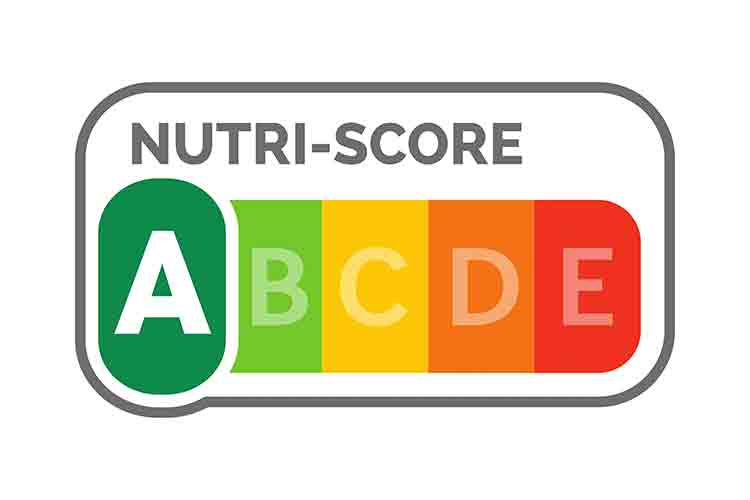
Citri-Fi contributes fiber to various food products which complements other fibers when making fiber claims. In addition to its healthy halo, this natural ingredient’s water holding and emulsification stabilization aids in improving Nutri-Scores - a nutrition label and nutritional labeling system.

In addition to the sustainable procurement, clean process and healthy food applications, Citri-Fi is a clean label ingredient. Labeling options include citrus fiber, dried citrus pulp and citrus flour which resonate well in the clean label markets. Because of this, Citri-Fi is an ideal natural food ingredient to create clean label food.

In 2023, six food categories came up in the Fiberstar keyword search analytics for clean label because of Citri-Fi citrus fiber's natural status. Below provides some insight into the hottest clean label food trends.

(1) Baked Goods – Clean Label Bakery Solutions

Today, bakers are returning back to basics in other words clean label baking formulas. This trend affects a variety of baked goods including (on order of prevalence) bakery fillings, pastry and pastry creams, snacks, bread, tortilla, bakery mixes and cakes. Bakers seek cleaner alternatives to emulsifiers, food gums, modified starches and other stabilizers. Citri-Fi citrus fiber is an ideal fit. At less than 1% usage, this natural ingredient can replace emulsifiers and other hydrocolloids depending on the bakery application to create clean bakery products.

(2) Clean Label Pet Food

Pet owners treat companion animals as their beloved children today also known as the pet humanization trend. As consumers become more cognizant about what makes up their own food, they practice the same diligence with their furry friends' meals. Because of this, consumers peruse label friendly options for both dog food and cat food.

Citri-Fi citrus fiber can be used to create clean label pet food. At less than 1% usage, this natural ingredient reduces breakage in biscuits, improves the tenderness in semi-moist treats and replaces stabilizers in canned or wet pet food.

(3) Dressing, Sauces, Dips and Spreads

This food category is a hot spot for clean label formulations. Many products include (in order of prevalence) mayonnaise, dressings, dips, sauces, jams, culinary pastes and nut butters. Though regular mayonnaise is clean since it contains only three pantry ingredients, other permutations such as flavored, reduced egg or egg-free mayonnaise spreads use stabilizers and other hydrocolloids to improve the texture and shelf-life. Citri-Fi, at less than 1% usage, can replace eggs or extend eggs while maintaining a stable emulsion due to its native intact pectin composition.

In dressings, dips and sauces, this natural citrus fiber’s dual functionality – water holding and emulsification – creates smooth stable textures over time. Again, Citri-Fi can create clean label food by replacing stabilizing hydrocolloids. In jams, Citri-Fi can be used to replace added pectin when used in low pH and high Brix conditions. And in culinary pastes and butters, Citri-Fi can create stable emulsions as long some water is present in the system.

(4) Clean Label Meat Substitutes

The meat alternative category continues to thrive with new product launches. Initially, perfecting the texture and flavor were typical goals. However, now, product developers focus on ingredients and labeling in addition to the texture. Many of the 1.0 versions of meat substitutes produced long labels containing unfamiliar food ingredients. Today, product developers are creating clean label foods that are animal-free including (in order of prevalence) plant-based beef, plant-based chicken, plant-based fish, plant-based pork and plant-based burger patties.

The Citri-Fi portfolio contains citrus fibers with varying particle sizes. Although they contribute fiber and aid in reducing saturated fats in meat alternatives, they also improve the quality. For instance, the Citri-Fi 100 series at less than 1% usage, is used in meat analogs to bind oil and water. As a result, plant-based meats retain their juiciness and succulence. The Citri-Fi TX creates a meat-like and firm texture when used at 2-4%

Other Clean Label Foods

Other hot clean label foods sought out include dairy products like yogurt. Citri-Fi citrus fiber at less than 1% usage controls syneresis to create thick, smooth and creamy textures. In frozen foods, Citri-Fi binds water to minimize crystallization in ice cream, create enhanced sauce textures in frozen meals and provides freeze/thaw stability in a variety of appetizers.

Regardless of the category, Citri-Fi citrus fiber helps formulators improve the nutrition, quality and texture of clean label foods. This natural citrus fiber is non-GMO, allergen-free and gluten-free. It contains no e-number which is relevant to regions like Europe. And now, USDA certified organic is offered.

For more information about Citri-Fi citrus fiber and the latest innovations, please contact us.

(Source: Google Analytics G4, 2023)

Read more →

Citri-Fi Citrus Fiber Improves Nutri-Score - reduces fat, reduce sugar, reduce calories, reduce cholesterol, egg reduction, fat reduction, contributes dietary fiber.

Improve Your Nutri-Score using Citrus Fiber in Foods

Citri-Fi® functional citrus fiber provides high water holding and emulsification properties. As result, this natural ingredient improves the Nutri-Score by reducing calories, fat, sugar and salt while contributing fiber. In the end, Citri-Fi not only enhances food and beverage quality but also improves the nutrition label which gives consumers healthier choices.

The Nutri-Score is a type of traffic light system which helps consumers in the EU to choose “healthier” foods. For instance, this scoring system classifies foods and beverages into five groups starting with A (green) to E (red). Food ingredients are ranked from 1 to 10 which is then summed up to calculate a letter grade. It is this letter grade that highlights whether the food is healthy or not. For example, ingredients like sugar, saturated fats and sodium worsens the score. On the other hand ingredients like protein and dietary fiber improves the score. From this nutrition label, consumers quickly discern the nutritional value of the product. Ultimately, this system encourages consumers to pick healthier choices and puts more emphasis on their diet.

Citri-Fi Citrus Fiber Positively Affects the Nutri-score

Citri-Fi citrus fiber is produced from upcycled bio-material or byproduct of the citrus juicing process. The patented process which is free from chemical modifications opens up the fiber to provide high water holding and emulsification properties. As a result, these functionalities improve food and beverage products quality and Nutri-score. For instance, at small usage levels (0.2% to 1.0%), Citri-Fi improves the score by reducing calories and fats in addition to creating better textures in salt and/or sugar reduced food products. Additionally, Citri-Fi improves the score by increasing the fiber content of the food and beverage.

Food Products and Improved Nutrition Labels

This citrus fiber benefits various food products. For example, in bakery foods, Citri-Fi’s high water holding and emulsification properties helps reduce fat, oil and/or egg while contributing fiber. Other functional benefits include improved structure and perceived freshness over time. In dairy, ice cream, sauces and dressings, this natural citrus fiber reduces fat and improves texture of sugar-reduced products. While in beverages Citri-Fi improves mouthfeel while contributing fiber. And in meats, this natural food ingredient reduces fat and salt while providing emulsification for good oils.

In the end, removing the unhealthy ingredients from food and beverages at times reduces the product quality. Depending on the formulation, these ingredients provide also functional benefits in addition to their organoleptic contributions. Using natural highly functional fibers like Citri-Fi allows product developers to either replace or reduce those negatively perceived ingredients without compromising product integrity. Moreover, Citri-Fi cleans up the food nutrition label and statement since its labeling options include citrus fiber, dried citrus pulp or citrus flour.

Read more →

Citri-Fi Citrus Fiber Water Holding, Natural Emulsifier, Upcycled, Sustainable, Gelling Properties - Sustainability - Eco-friendly - Upcycled

Citrus Fiber/Fibre: Frequently Asked Questions

Citrus fiber is the "go-to" clean label ingredient, especially Citri-Fi® citrus fiber. This natural citrus fiber sets itself apart from other citrus fibers due to its sustainable story, patented technology and superior functional benefits. For instance this citrus fiber or citrus fiber extract provides high water holding, emulsification and gelling properties. In addition, it cleans up food labeling. Learn more about this superior citrus fiber by checking out the frequently asked questions.

Because of citrus fiber's clean label functional benefits in food and beverage products, the food industry placed citrus fiber in the limelight. As a result, customers continue to ask questions about this superior natural ingredient. Below, we captured and shared common questions asked about this excellent clean label food ingredient.

Citrus Fiber: Frequently Asked Questions

1. What is Citrus Fiber? 

Citrus fiber consists of insoluble and/or soluble fibrous components of citrus fruits such as orange, lemon and limes. Though most people automatically assume that food makers use citrus fiber for fortification purposes such as "adding fiber", this is not the case for citrus fibers like Citri-Fi®. Not all citrus fibers are created the same. For instance, Citri-Fi uses a process free from chemicals to convert byproduct or "upcycled" material produced by the citrus juicing industry into higher valued products. As a result, the patented mechanical process opens up the fiber to provide high surface area.

Because of the high surface area and composition, this citrus fiber can be used at very low levels while providing high functional benefits such as water holding, emulsification and gelling. Citri-Fi contains high amounts of both insoluble and soluble fiber, especially native pectin, that provide the functional benefits. Because of this, Citri-Fi improves texture, taste and stability of food first and contributes some dietary fiber second.

Key differences separate Citri-Fi citrus from others in the market. Citri-Fi adheres to a sustainable model using byproducts from food processes. Other fibers use grind and grow models. In other words, other suppliers specifically source their materials from products grown specifically to be processed into plant fibers. In addition, some citrus fibers contain mostly insoluble fiber. As a result, they provide limited functionality in the food product. Lastly, Citri-Fi uses a process free from chemical modifications. Other processors use alcohol washes and other chemicals to create their products.

2. What is Citrus Fiber Made From?

Citrus fiber can be made from different citrus fruits such as orange, lemon or limes which are the most common raw materials.

3. What is Citrus Fiber Extract?

Citrus fiber extract serves as another description for citrus fiber. Some ingredient suppliers use this terminology to try and differentiate their citrus fiber products from others in the market. Ultimately, food labeling trumps when it comes to describing this natural ingredient. For example, the FDA labeling guidance for Citri-Fi includes the following options: citrus fiber, dried citrus pulp or citrus flour. And the USDA fallows citrus flour or dried citrus pulp. These labeling options resonate well in the natural and clean label markets.

4. Is Citrus Fiber a Natural Emulsifier?

Not all citrus fibers on the market provide emulsification benefits. However, Citri-Fi citrus fiber does. This natural citrus fiber extract has high surface area that easily traps water and oil. Also the fibrous composition contains lipophilic and hydrophilic ends which attracts the oil and water into the matrix which further binds the two. For instance, Citri-Fi binds oil and water to create emulsions that are used in food applications such as dressings, sauces, beverages, dairy and meat alternatives like patties. Another feature is that this natural citrus fiber serves as a plating agent. In other words, Citri-Fi, when mixed with oil, turns difficult-to-use liquids into flowable powders. As a result this benefits foods like beverages, meats and sauces.

5. Is Citrus Fiber an Allergen?

Citrus fiber is allergen-free.

6. Is Citrus Fiber Gluten-free?

Citrus fiber is also gluten-free.

7. What is Citrus Fiber Composition?

As mentioned before, citrus fiber composition varies depending on the supplier. Each supplier uses different processing methods as well as sources different raw materials. Citri-Fi citrus fiber contains about 70% total dietary fiber consisting of both soluble and insoluble fiber. Moreover, this citrus fiber consists of high amounts of intact native pectin. In other words, this composition is as close to natural as nature intended. Other citrus fibers may contain more insoluble fiber. As a result, these types of citrus fiber need to be blended with other hydrocolloids to provide the same benefits as Citri-Fi citrus fiber.

Read more →

Frozen Foods: Ice Cream, Frozen Meals, Sorbets: Citri-Fi Citrus Fiber Binds Water, Freeze/thaw Stability and Reduces Ice Crystal Formation

Natural Ice Cream using Citrus Fiber

Citri-Fi® citrus fiber provides water holding and emulsification properties that benefit natural ice cream. This ice cream ingredient replaces chemical emulsifiers and stabilizers which shortens and cleans up food labeling. Moreover, Citri-Fi minimizes ice crystallization during storage. As a result, frozen desserts using citrus fiber maintain a smooth texture and full body. 

Ice cream is one of those foods that puts a smile on anyone's face around the world. Since its invention, this frozen dessert turned into many shapes, forms, flavors and textures. And thru the years, mass production, storage and shipping allowed many smiling faces around the world to enjoy this treat. However, today, consumers in some parts check labels before dipping the spoon. As a result, ice cream manufacturers gravitate toward clean label ingredients to create more natural ice creams. Yet, is this possible if chemical emulsifiers and stabilizers were originally used to create ice cream more tolerable to transport, handling and storage conditions?

Citri-Fi Citrus Fiber in Natural Ice Cream 

To clean up food labeling declarations, manufacturers seek out natural ice cream ingredients that provide functionality. For instance, Citri-Fi citrus fiber provides high water holding and emulsification properties that create high quality frozen desserts like ice cream. As a matter of fact, this natural citrus fiber creates clean label ice creams by replacing chemical emulsifiers and/or stabilizers. Because of this, labeling contains a shorter and simpler statement. At low usage levels (0.3% to 1.0%), Citri-Fi 100M40 is easily added to the dry ingredients and mixed first.

Other Key Benefits in Natural Frozen Desserts

Citri-Fi also controls the ice crystal growth to prevent grainy textures. As a result, during storage, the ice cream maintains the full body and creamy mouthfeel without the ice crystals. Because of the freeze/thaw stability, this natural ice cream ingredient creates high quality frozen products over shelf life. In addition, depending on some formulations, Citri-Fi also reduces melt time.

Lastly, Citri-Fi also performs well in dairy-free ice creams or vegan frozen desserts. Since this natural citrus fiber binds water to control water migration, Citri-Fi maintains the smooth texture of dairy-free ice creams over storage time.

Read more →

Citri-Fi Citrus Fiber Water Holding, Natural Emulsifier, Upcycled, Sustainable, Gelling Properties

How to Add Citri-Fi® Citrus Fiber to Foods

Citri-Fi® citrus fiber improves texture, labeling, stability and nutrition of various food products. However, to use this natural citrus fiber in foods, it needs to be hydrated correctly to activate the full functionality. As a result, these four easy methods minimize dispersion issues that may arise when adding this natural ingredient. 

Before diving into how to use citrus fiber in foods, let us review why you need to use Citri-Fi in the first place. Citri-Fi citrus fiber uses a process free from chemical modifications. The mechanical process opens up the fiber to provide high water holding and emulsification properties. As a result, when used at low levels (<1%), citrus fiber contributes multiple benefits to a variety of food products such as meats, bakery, beverages, sauces, dairy and frozen foods. Also, this natural ingredient improves hot trending products like dairy and meat alternatives. In the end, Citri-Fi citrus fiber should be your "go-to" natural ingredient to improve stability while cleaning up labels and enhancing nutrition.

Depending on the product, this healthy food ingredient provides various benefits. For instance, this food emulsifier binds water and oil which improves the stability of dairy, beverages, sauces, dressings and dairy alternatives. Additionally, Citri-Fi holds onto water to increase yields and improve juiciness and texture of meats and meat substitution products. Because this natural citrus fiber provides multiple functionalities, it replaces ingredients like starches, gums and other stabilizers to clean up food product labels.

Now that you joined the loyal citrus fiber club, let us talk about how to use it in food products successfully. Although your first urge will be to sprinkle Citri-Fi like pixie dust, proper hydration is key! In the end, properly hydrating Citri-Fi activates the full functionality of this citrus fiber.

How to Use Citri-Fi Citrus Fiber in Foods 

There are four main ways to use this natural hydrocolloid in foods to prevent clumping or "fish eyes".

1. Pre-mixed in Dry Ingredients

One option includes pre-mixing Citri-Fi citrus fiber with dry ingredients such as sugar, salt, flour, etc. depending on the food product. The dry ingredients should be approximately 10 times the weight of Citri-Fi. Moreover, foods that benefit include bakery items, seasoning mixes and processed meats.

2. Dispersed in Oil 

Another way to incorporate this natural food emulsifier is in oil. For instance, Citri-Fi can be mixed into an oil before being added to the food product or liquid. On the other hand, this natural emulsifier when mixed with a certain ratio of oil turns liquids into free-flowing powders As a result, this plated citrus fiber improves the handling and usability of the product. And as a bonus, when added to water or other food products, this plated material provides additional functionalities. For example, plated Citri-Fi provides stability and mouthfeel in beverages.

3. Dispersed into Syrups

Also, Citri-Fi can be added into syrups like sugar or glucose.

4. Prehydrated Directly in Water

Though we recommend adding Citri-Fi to dry ingredients before hydrating in water, you do have the option to prehydrate directly in water. However, in order to use this method, you need to add Citri-Fi in 3% or less solutions. In addition, this natural food ingredient needs to be added using strong agitation to avoid clumping and "fish eyes". Some recommended agitation options include blender, rotor stator homogenizer, mechanical mixer or a magnetic stirrer.

Read more →

How to Make Clean Label Yogurt using Citrus Fiber

Citrus fiber can be used to create clean label yogurts due to its highly functional benefits including stability, reduced syneresis, improved mouthfeel and increased thickness.

Yogurt is the one food product that exploded in popularity over the years. Consumers quickly embraced this health halo food regardless of its contents. However, today, the clean label movement is changing how consumers decide on which yogurts to purchase. And seeing that retailers' dairy sections offer wall-to-wall variety of yogurts, it is no surprise consumers are reading labels to determine the best choice. Now, not only do consumers need to be aware of added sugar, but also the number and type of ingredients used in the yogurt. They now desire simplicity and natural options.

Making Clean Label Yogurts

Fiberstar's Citri-Fi® natural citrus fiber is an ideal food ingredient when making clean label yogurts. This natural citrus fiber has high water holding and emulsification properties which provide the stability, reduced syneresis improved mouthfeel and increased thickness in yogurts. As a matter of fact, less is more. Citri-Fi is used between 0.1% to 0.5% depending on the targeted texture. And this natural citrus fiber helps reduce the number of ingredients in the clean label yogurt.

Typical methods include the following: 1) Mix together cream, milk and dry milk to form the base. 2) Slowly add Citri-Fi 100FG powder into the vortex while mixing at high speed. 3) Keep batch lightly agitated to prevent settling until pumped into a pasteurization unit. 4) Cool the mixture down to 43°C and fill into clean containers. 5) Add the culture and incubate at 43°C until pH reaches 4.4 to 4.5 (about 8 hours).

This plain style yogurt contains only seven ingredients including water. And because Citri-Fi's label options include citrus fiber, dried citrus pulp or citrus flour, this fiber resonates well in the clean label and natural markets. Moreover, this natural citrus fiber is a great complement in fruit-based yogurts.

To learn more about Citri-Fi natural citrus fiber in clean label yogurts or other clean label foods, please contact Fiberstar - techsupport@fiberstar.net.

Read more →