Email Us info@fiberstar.net
Call Us +1 (715) 425-7550
Dairy Alternatives: Citri-Fi Citrus Fiber Provides Stability and Natural Creamy Mouthfeel

Smile and Say Cheese Alternatives!

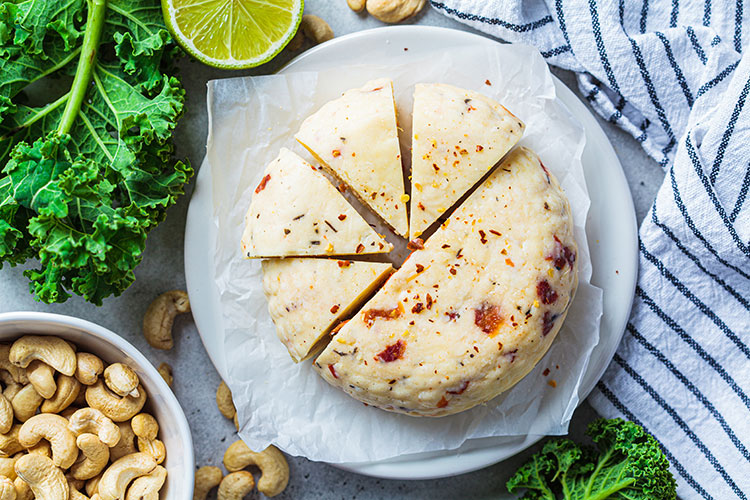
Cheese alternatives are the next frontier in the dairy-free world. Today, there are several types of products which present their own set of challenges such as instability and texture. Citri-Fi® citrus fiber’s water holding and emulsification properties bind the oil and water to create high quality cheese analogs that simulate their animal-based counterparts.

Through the years, cheese producers convinced the market that cheese is the magic ingredient that makes food taste great! Commercials encouraged parents to melt it on vegetables to make it more palatable for their children. Pizza is not pizza unless there is a long stretch of mozzarella hanging off the slice. And when snacking hit its peak, cheese stood on a pedestal due to its protein content and dairy health benefits. Because of this, dairy-based cheese literally milked the market. The popularity created an opportunity for new offerings such as cheese alternatives.

At the same time, the dairy alternative demand began to tick up. Growing concerns about sustainability, animal welfare and health consequences of animal-based fats spurred a sudden interest in creating cheese without animal milk. As a result, today, there are a variety of cheese analogs using different types of food ingredients and processing technologies. And there is no better time to discuss this topic rather than now in January aka Veganuary.

Starch and Fat-based Cheese Alternatives

Many companies try to mimic common cheese types including sliced cheeses for sandwiches and vegan burgers, soft cheese like camembert, or even products that match fresh or cream cheese. To do this, producers have different options. For instance, a lower cost route incorporates a fat source and modified starches. Spreadable types use liquid fats. On the other hand, hard cheeses require solid fats like palm or coconut in combination with starches. However, palm and coconut are questionable when it comes to sustainability. As a result, some shy away and resort to using sunflower or canola oil.

One challenge using these types of fats and modified starches is creating a stable emulsion without chemical emulsifiers. Because clean labeling is another important requirement, manufacturers look for alternative ingredients. Another underlying issue is that these type of cheeses have no nutritional value. Their bases are made up of starch and contain minimal protein versus animal-based cheeses.

Citri-Fi citrus fiber can help bind the oil and water in these type of formulations. The high surface area and native intact pectin content enables emulsification properties. As a result, cheese texture and stability are not compromised. Also, Citri-Fi contributes some dietary fiber, so this helps improve the nutritional content.

Fermented Nut Cheeses

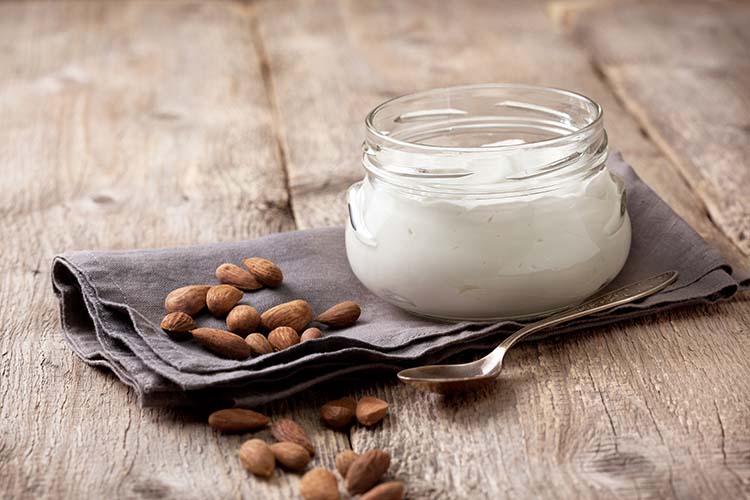
Another type of cheese that is popular is fermented nut cheeses. These cheeses typically use almond or cashew as a base. The nutritional profile is better due to the nut protein content. And the flavor profile simulates the natural flavor of cheese which can come close to aged cheese. However, this process comes with more costs and tends to be pricier. And when nuts are ground, they tend to not bind all the fat inside which causes separation.

Because Citri-Fi is a great natural emulsifier, it can bind oil and water to help reduce the costs and improve the yields of these products. Water migration is common in products that do not have a good emulsifying system. As a result, Citri-Fi helps prevent weeping during refrigeration. In the end, Citri-Fi, at low usage levels (0.1% to 0.6%), provides emulsification, stability and nutritional benefits to a variety of cheese alternatives. This can range from cream cheese substitutes, parmesan alternatives to other vegan cheese analogs.

This cheese alternative market is the new frontier in the dairy-free world. In the future, cheese will use different protein sources like chickpeas and fava beans. Producers will push the envelope using fermentation, new processes and new ingredients to create high quality cheeses matching their animal-based counterparts.

Citri-Fi is non-GMO Project certified, non-allergenic and gluten-free. This natural ingredient has no E-number. Labeling options include citrus fiber, dried citrus pulp or citrus flour which resonate well in the natural and clean label markets.

Please contact us for more information.
Read more →

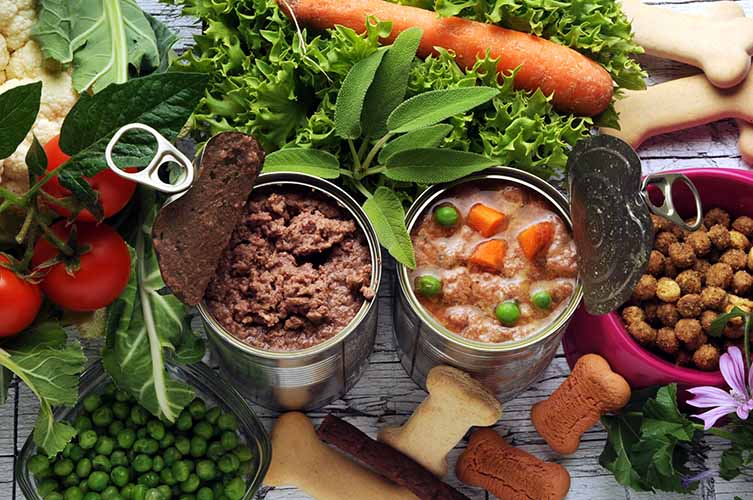
Fresh Pet Food & Treats: Citri-Fi Citrus Fiber Provides Emulsification, Syneresis Control, Increased Yields, Reduced Breakage and Mold Release 394x294

Fresh Pet Food: Prevent Water Separation using Citrus Fiber

Fresh pet foods emerged due to the pet humanization trend which continues to shape the pet specialty food segment today. However, several issues including water separation tend to create sub-par products. At the same time, consumers are weary of stabilizers and binders on labeling. There are natural solutions available including Citri-Fi® citrus fiber which binds the water during handling and storage while maintaining a clean label and superior texture.

Pet parents rearing furry babies continue to drive many of the pet humanization trends today especially in pet food and treats. With this in mind, pet humanization is a phenomena where pet owners treat their pets like children. These consumers purchase items that resemble products they purchase for themselves. For instance, pet owners tend to read food labels, select minimally processed foods and veer towards healthier versions. Due to this trend, fresh pet foods continue to thrive within the specialty pet food segment.

Fresh pet foods attract pet parents by their short ingredient lists, fresh raw materials and healthier positioning. For example, many pet parents believe that ‘real food’ should be stored in the same place as human food - the refrigerator. However, creating tasty fresh pet food comes with its own set of challenges. For instance, food preparation and storage affect the quality.

The Challenges when Making Fresh Pet Foods

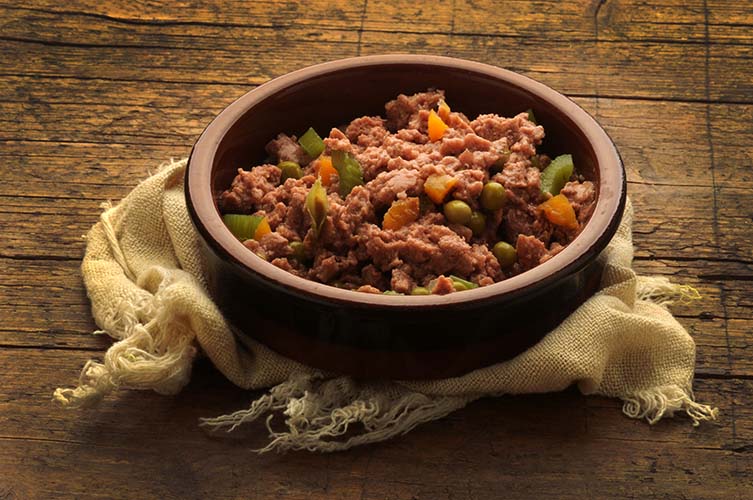
Some fresh pet foods come pre-cooked and frozen in meal blocks. This improves food safety and minimizes the handling of raw foods. Companies ship the frozen meal blocks to consumers since many use an eCommerce model. Or some companies sell the food in freezer cases at brick-and-mortar stores. During preparation, the consumer needs to slack the frozen meal for several hours before serving. Depending on the food components, water separation is a common issue. For example, many fresh dog foods incorporate vegetables like carrots and peas in the meat matrix. Water tends to leech out during the slacking process creating a pool within the packaging.

Other companies pre-cook and package the fresh food mass into chubs. Retailers sell the chubs in refrigerator cases. Again, depending on the formulation, water migration is inevitable. The product weeps water which does not meet consumers’ expectations when feeding Fido.

Natural Solutions to Improve Refrigerated Pet Food

Though many consumers steer away from stabilizers and binders, some clean options which help bind water exist in the market. One ideal solution includes using Citri-Fi® citrus fiber. This natural ingredient is created from byproduct of the citrus juicing process. However, the key benefit of using Citri-Fi is its dual functionality. It not only binds water but also oil or fat that leech out of a food product during cooking, handling and storage.

At very low usage levels, 0.2%-1.0%, this citrus fiber locks in the water. And yet, not all citrus fibers are created the same. Citri-Fi uses a process that is free from chemical modifications that opens up the fiber. This process preserves the citrus fiber’s holistic composition so that it retains a high level of native pectin. Both the high surface area and the native pectin lock in the water. As a result, consumers prep fresh pet food without the watery mess. Other citrus fibers on the market provide limited water holding due to their processing. On the other hand, Citri-Fi, an upcycled ingredient tells a sustainable story from farm to pet bowl.

Citri-Fi citrus fiber is AAFCO approved. Labeling options include citrus fiber, dried citrus pulp or citrus flour. This natural ingredient is non-GMO Project certified, allergen-free, gluten-free, grain-free and made in the U.S.A.

The Future of Pet Foods

Other human trends crossing over into the pet food and treat category include plant-based foods. Because of this, the sky is the limit when creating new types of fresh pet foods as long as it is AAFCO approved.  Since plant-based foods like vegetables and fruits tend to release water during storage, Citri-Fi can bind the water to create higher quality, natural pet food products.

For more information, please contacts us to order a sample.

Read more →

Bakery Foods: Citri-Fi Citrus Fiber Improves Moisture Retention, Emulsification and Freshness also Gluten-free - Bread, Cookies, Muffins, Cakes

Bakery Ingredients: 5 ways to use Citrus Fiber

Many bakery ingredients in the industry provide single functionalities to baked goods. On the other hand, natural ingredients like Citri-Fi® citrus fiber provide water holding and emulsification which benefit a variety of bakery items. Bakers gravitate to Citri-Fi for its ability to create baked items that maintain freshness over time which is the gold standard in quality. And due to its natural emulsification, this citrus fiber is the ideal solution to replace certain emulsifiers to clean up labels. Other key areas include plant-based, gluten-free, egg and oil reduction and bakery fillings.

Creating bakery foods is a combination of art and science. Where else can an elbow test measure viscosity or a handful means a cup? Although measuring methods produce the perfect loaf or muffin, bakery ingredients play an equally important role especially on a mass scale. For instance, bakers use additional ingredients not commonly used in home baking to preserve the baked good’s quality during post production, handling and storage.

Citri-Fi is an upcycled natural citrus fiber created from byproduct of the citrus juicing process. This natural ingredient provides high water holding and emulsification properties which benefit a variety of baked goods. For example, citrus fiber offers the following five ways to create stellar bakery items.

1) Moisture Retention and Improve Freshness over Shelf-life

Citri-Fi’s number one use in baked goods is moisture retention. This citrus fiber’s high surface area and high intact pectin content locks in the water. Over time, the native starch slowly releases the water which is then bound to the citrus fiber. Because of this, the natural occurring gluten and citrus fiber retain the moisture which results in the perception of freshness over time. In this case, less is more. At low usage levels, 0.3% to 1.0%, Citri-Fi can be incorporated into the baked good with additional water to improve the overall texture and organoleptic properties.

2) Emulsifier Replacement in Baked Goods

Mass produced breads typically use some sort of emulsifier to improve loaf volume and create softer crumb. However, some emulsifiers such as mono and diglycerides, lecithin, DATEM and SSL are not perceived to be clean label bakery ingredients. And some emulsifiers are considered allergens like those that originate from soybean. Yet, the market offers very few natural replacements.

Citri-Fi at low usage levels, 0.5% to 1.0%, replace lecithin or mono and diglycerides in baked goods while maintaining the shelf-life and eating qualities. This citrus fiber's allergen-free and clean label status makes this attractive. Citri-Fi’s labeling options include citrus fiber, dried citrus pulp or citrus flour. These labeling options resonate well in the natural and clean label markets. Please contact us to learn more about our emulsification study which compares Citri-Fi’s superiority over other emulsifiers in the marketplace.

3) Plant-based and Gluten-free Specialty Markets

Gluten-free formulating still exists today. Regardless, the prevalence of certain conditions (e.g. Celiac disease, autoimmune, autism, etc.), drive the need for allergen-free formulating. Gluten-free requirements affected the bakery category the most. As a result, gluten-free and allergen-free bakery goods flooded the market over the last 20 years. However, allergen-free formulating comes with a set of challenges. For instance, many of the base flours do not retain moisture well to keep the structure soft and tender over time. Because of this, bakers prefer natural ingredients such as citrus fiber to bind the water. As a result, the allergen-free bakery items maintain the sense of freshness over shelf-life. Without additional ingredients, these type of bread products would suffer with limited shelf-life and stale texture.

Currently the hottest lifestyle trend, plant-based eating, hit the market quickly. The growing demand is driving bakers to remove animal byproducts such as fats and eggs from their formulations. Once again, this delta creates a slew of challenges for the baker. However, functional bakery ingredients like Citri-Fi can aid in creating high quality and organoleptic pleasing baked goods when animal byproducts are substituted out with other ingredients. Citri-Fi complements the baking system to provide the additional water holding and emulsification properties which are typically compromised when other hydrocolloids or fibers are used to replace animal byproducts.

4) Egg and Oil Reduction Bakery Ingredients

Reducing egg and/or oil requests often pop up. In some regions, formulators reduce these ingredient as a cost savings strategy. In other markets, reducing egg and/or oil improves the nutritional profile of foods. Due to Citri-Fi’s high water holding properties, this natural citrus fiber is essential in creating the moist texture typically when egg and/or oil are present in the formulation. And the natural emulsification properties of the citrus fiber mimics its counterparts to maintain high quality texture. Ultimately, Citri-Fi can reduce egg and oil in bakery formulations while still providing the full-fat mouthfeel which consumers expect.

5) Bakery Filling Texturant and Stabilizer

Many challenges arise when working with bakery fillings. In baked products, fillings need to tolerate the heating and handling while still providing functionality before, during and after the baking process. Since some fillings are low in pH, this too creates an environment where functional bakery ingredients break down. Hence, several factors affect fillings when creating a natural texture.

Citri-Fi citrus fiber’s multi-functional properties tolerate heat and low pH conditions. For instance, this functional ingredient creates natural textures in fruit-based fillings in low and high pH conditions. Citri-Fi can be used “as-is” to generate the gelling textures in high Brix and low pH systems. At the same time, this natural citrus fiber also can generate gelling textures in low Brix and low pH systems. Please contact us to learn more about this new technology.

Another key area where Citri-Fi improves bakery is in filled baked goods. This natural citrus fiber’s high water holding capacity binds the water to prevent blow-outs during the baking process.

There are multiple areas where Citri-Fi citrus fiber benefits bakery products due to its multiple functionalities. Bakers gravitate to this ingredient due to its ability to create freshness over time versus other ingredients, its emulsification properties and its clean label status.

Read more →

Pet Food & Treats: Citri-Fi Citrus Fiber Provides Emulsification, Syneresis Control, Increased Yields, Reduced Breakage and Mold Release

Natural Emulsifier in Pet Foods: Citrus Fiber

Creating clean label pet foods poses a variety of challenges including finding an effective natural emulsifier. Citri-Fi® an upcycled citrus fiber created from byproduct of the citrus juicing process provides high water holding and natural emulsification properties. As a result, this pet food ingredient improves texture and stability of canned or wet foods, fresh foods in chubs and semi-moist treats.

Slowly you twist the can opener peeling back the lid without a sound. Regardless of the silence, your furry canines bolt into the room with their tongues swinging. Quickly you pour the contents into their bowls and watch them lap it up within seconds. In the end, this ritual sounds quick and simple. On the other hand, creating this healthy and nutritious pet food results in multiple challenges.

In the past, pets scavenged left-out scraps. However, over the years pet food companies changed this by creating specific foods for companion pets. And as time chugged along, standard pet foods bloomed into a variety of formats using multiple ingredients. Today, consumers demand label friendly pet food ingredients thanks to the humanization trend.

Formulation Challenges

Creating clean label pet foods poses multiple challenges which affect texture, stability and palatability. For instance, some pet foods contain oil and water which rely on emulsification to keep them bound over time. However, the market offers very few natural emulsifiers. Without emulsification, water and oil separate negatively affecting the texture and shelf stability. Some examples of these foods include canned or wet foods, fresh foods in chubs and semi-moist treats.

Citrus Fiber, a Natural Emulsifier

Plant-based fibers are commonly used in the pet industry to improve product quality in addition to enhancing nutrition. At the same time, one functional fiber sticks out in popularity due to its high water holding and emulsification properties. Citri-Fi is an upcycled citrus fiber produced from byproduct of the citrus juicing process. Due to Citri-Fi’s highly exposed surface area and high level of pectin content, this natural pet food ingredient binds oil and water creating stability over time. For instance, in semi-soft chews or wet pet food applications, this citrus fiber forms an oil-in-water emulsion to stabilize ingredients into a homogeneous system.

A simplified model system testing varying concentrations of oil, water and fiber in addition to various oil types and challenging storage conditions demonstrates this. The results indicate that Citri-Fi emulsifies up to 60% oil to form stable oil-in-water emulsions when using 2-4% citrus fiber depending on the oil type and storage conditions. As a result, this equates to citrus fibers being able to hold up to 25 times of water and 30 times of oil in the emulsion.

Additionally, the high oil binding property of citrus fibers improves extruded products where oils add unwanted lubricity. The citrus fiber binds the free oil in the system. In addition, Citri-Fi is compatible with other pet food ingredients like flavors, colors, thickening or gelling agents or other nutritional components. Moreover, this natural citrus fiber is thermally stable in high temperatures such as in extrusion processes without losing its functionality.

Other Benefits of Citrus Fiber

Citri-Fi contributes dietary fiber in addition to reducing caloric content when replacing higher caloric pet food ingredients. This natural citrus fiber is non-GMO, allergen-free and gluten-free. Citri-Fi’s labeling options include citrus fiber, dried citrus pulp or citrus flour which all resonate well in the natural and clean label markets. Additionally, dried citrus pulp is AFFCO approved.

For more information about citrus fiber as a natural emulsifier and functional pet food ingredient, please contact us.

[yop_poll id="1"]

Read more →

Dry Plating: Citri-Fi Citrus Fiber Turns Liquids into Free-Flowing Powders

Turn Oil into Powder: A Medicinal Dilemma

Medicinal oils though used “as-is” tend to be more user-friendly in oil powder form. However, to turn oil into powder comes with challenges. Citri-Fi® citrus fiber’s high surface area binds large amounts of oil. As a result, this natural clean label ingredient converts liquid oils into flowable powders. Additionally, Citri-Fi can be used in finished food products to improve quality, texture and nutrition.

Dry or powdered foods existed since prehistoric eras. Drying foods extended the availability for longer periods of time which became an essential survival technique. Not only did it preserve foods like meats but it also eased travel with less weight to carry. Today, a variety of foods come in powder form for similar reasons such as beverages, soups and sauces. Drying off the water to convert the food into powder was a commonality among all these foods. At the same time, a growing need emerged to turn oil into free flowing powder.

A rising demand to create oil powder stemmed from various reasons including increased shelf stability, economic benefits, safety and/or ease-of-use. Because of this, the medicinal oil market began to investigate how to deliver their product in a more efficient form. The challenge was finding a clean label or natural way to do this.

Dual Purpose Citrus Fiber: Dry Plating and Functional Fiber

Citri-Fi citrus fiber is byproduct of the citrus juicing process. This upcycled food ingredient contains high surface area, pore volume and an amphiphilic chemical composition making it suitable as both a carrier and emulsifier for converting liquid or viscous medicinal oils into dry free flowing powders. As a result, this can be either used in a dry form or hydrated to form stable emulsions. For example, Citri-Fi binds CBD oil at 50/50 ratio and remains a flowable powder, However, in a hydrated form, Citri-Fi binds 8 times its weight in oil and maintains a stable emulsion. Besides acting as a carrier, this natural citrus fiber improves the quality, texture and nutrition of finished foods.

Using Citrus Fiber in Medicinal Foods

Many medicinal oils are incorporated into food products such as baked goods, beverages and confections. As mentioned, Citri-Fi not only binds oil, but also water. As a result, this natural citrus fiber improves freshness over time and can replace unfavorable ingredients such as egg or chemical emulsifiers in bakery items. In beverages, Citri-Fi sustains mouthfeel, texture and clouding. Lastly, this natural ingredient enhances texture in confections like gummies. Ultimately, this clean label ingredient can not only create oil powders, but also, provide additional functional benefits in finished food products.

Citri-Fi is non-allergenic, gluten free and Non-GMO Project certified. Also, Citri-Fi contributes fiber. Labeling options include citrus fiber, dried citrus pulp or citrus flour which all resonate well in the natural and clean label markets.

To learn more about turning oil into powder using Citri-Fi citrus fiber, please contact us. Application sheets are available upon request.

Read more →

Plant Sauces: Dressing up Stability and Emulsification

Creating plant sauces containing no animal-derived ingredients separate over time and lack full body mouthfeel. Natural ingredients like Citri-Fi® citrus fiber provide high water holding and emulsification which improve stability and texture in products like vegan ranch dressings.

The market whirled their attention around meat substitutes for the past year. At the same time, dairy alternative foods such as plant milks and dairy-free cheeses continued to grab market share. Yet, one food category remains amiss in this plant-based phenomena – plant sauces. For centuries, sauces and dressings were and still are food’s beloved canopy of flavor and texture. And since some of these products use animal-derived ingredients, they too face challenges converting into vegan versions.

Plant Sauce Challenges

Some sauces and dressings use egg and/or milk proteins to provide texture, stability and flavor. When eliminated, food products suffer from oil and water separation, lack of creaminess and thin textures. However, food developers replace these animal-derived ingredients with modified starches, gums and chemical emulsifiers. As a result, food label declarations turn into lengthy lists full of questionable ingredients in the consumers’ eyes.

Today, the market offers a few natural ingredient options. One natural option, Citri-Fi citrus fiber, provides high water holding and emulsification properties. This citrus fiber’s insoluble and soluble fiber containing intact pectin uses a physical and surface activity mechanism to create the natural emulsification. The oil and water bind tightly to improve stability over time. Moreover, the citrus fiber improves the texture by creating a smooth and full body mouthfeel.

Citrus Fiber Improves Vegan Ranch Dressing

For example, food products such as ranch dressing typically uses mayonnaise, yogurt and buttermilk. Each component contains animal-derived ingredients such as egg and milk protein. However, at very low usage levels (0.2% to 2.0%), Citri-Fi can be used to replace egg in mayonnaise and to improve the texture of plant-based cultured products like dairy-free yogurts. So when the two are combined to make the vegan sauce, it performs like its animal-derived counterpart.

Citri-Fi is non-GMO Project Certified, non-allergenic and gluten-free. It has no E-number. Labeling options include citrus fiber, dried citrus pulp or citrus flour which all resonate well in the clean label markets. Fiberstar, Inc. is a proud member of the Plant-based Foods Association (PBFA).

To learn more about how to create vegan mayo, plant-based cultured products like non-dairy yogurt or plant sauces like vegan ranch dressing, please contact us. Formulation sheets and technical support are available.

Read more →

Citri-Fi Citrus Fiber Improves Nutri-Score - reduces fat, reduce sugar, reduce calories, reduce cholesterol, egg reduction, fat reduction, contributes dietary fiber.

Improve Your Nutri-Score using Citrus Fiber in Foods

Citri-Fi® functional citrus fiber provides high water holding and emulsification properties. As result, this natural ingredient improves the Nutri-Score by reducing calories, fat, sugar and salt while contributing fiber. In the end, Citri-Fi not only enhances food and beverage quality but also improves the nutrition label which gives consumers healthier choices.

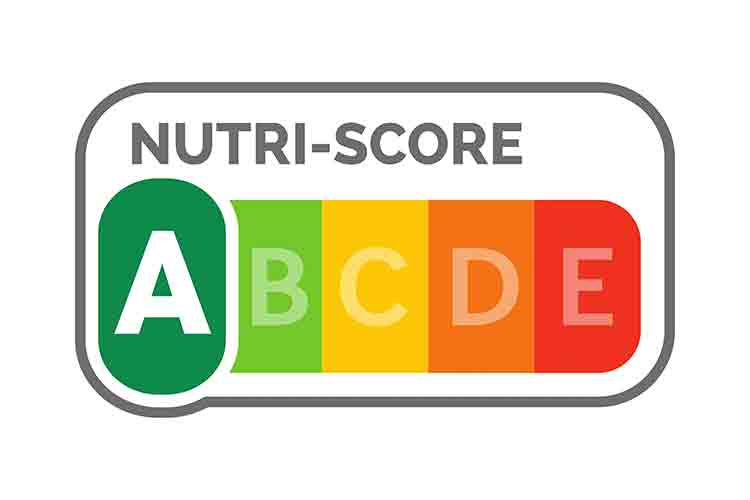
The Nutri-Score is a type of traffic light system which helps consumers in the EU to choose “healthier” foods. For instance, this scoring system classifies foods and beverages into five groups starting with A (green) to E (red). Food ingredients are ranked from 1 to 10 which is then summed up to calculate a letter grade. It is this letter grade that highlights whether the food is healthy or not. For example, ingredients like sugar, saturated fats and sodium worsens the score. On the other hand ingredients like protein and dietary fiber improves the score. From this nutrition label, consumers quickly discern the nutritional value of the product. Ultimately, this system encourages consumers to pick healthier choices and puts more emphasis on their diet.

Citri-Fi Citrus Fiber Positively Affects the Nutri-score

Citri-Fi citrus fiber is produced from upcycled bio-material or byproduct of the citrus juicing process. The patented process which is free from chemical modifications opens up the fiber to provide high water holding and emulsification properties. As a result, these functionalities improve food and beverage products quality and Nutri-score. For instance, at small usage levels (0.2% to 1.0%), Citri-Fi improves the score by reducing calories and fats in addition to creating better textures in salt and/or sugar reduced food products. Additionally, Citri-Fi improves the score by increasing the fiber content of the food and beverage.

Food Products and Improved Nutrition Labels

This citrus fiber benefits various food products. For example, in bakery foods, Citri-Fi’s high water holding and emulsification properties helps reduce fat, oil and/or egg while contributing fiber. Other functional benefits include improved structure and perceived freshness over time. In dairy, ice cream, sauces and dressings, this natural citrus fiber reduces fat and improves texture of sugar-reduced products. While in beverages Citri-Fi improves mouthfeel while contributing fiber. And in meats, this natural food ingredient reduces fat and salt while providing emulsification for good oils.

In the end, removing the unhealthy ingredients from food and beverages at times reduces the product quality. Depending on the formulation, these ingredients provide also functional benefits in addition to their organoleptic contributions. Using natural highly functional fibers like Citri-Fi allows product developers to either replace or reduce those negatively perceived ingredients without compromising product integrity. Moreover, Citri-Fi cleans up the food nutrition label and statement since its labeling options include citrus fiber, dried citrus pulp or citrus flour.

Read more →

Dairy Alternative: Citri-Fi Citrus Fiber Provides Natural Mouthfeel, Stability and Clean Label

Plant-based Yogurts: Top Facts to Know

Today, plant-based yogurts are the next hot dairy alternative trend. However, at the same time, these products encounter many formulation issues. Citri-Fi® citrus fiber's high water holding and emulsification properties help create high quality dairy-free yogurts including minimizing syneresis, thickening texture and improving food labels.

Plant-based Yogurts Bases – Old and New

Years ago, the only non-dairy yogurts found on the grocery shelves ranged from soy to rice based. However, today, this expanded into a variety of options. Other dairy-free bases moving up in rank include: almond, coconut, hemp, cashew and oat. Moreover, plant-based yogurts now reside next to their animal-based counterparts in the grocery store. As a result, this gives consumers an opportunity to try something new or use these products as a gateway to a plant-based lifestyle. In the end, plant milks will provide the segway into dairy-free yogurts. As a result, new plant milk bases such as lupin, flaxseed or sesame seed will cross over into this category.

Typical Issues in Creating Non-Dairy Yogurts

If you make your own yogurt at home, you know that dairy yogurts are relatively easy to make due to the dairy-based proteins innately present in milk. However, making dairy-free yogurts turns into a whole new adventure. The easy part involves fermenting the base but the resulting product typically produces thin and watery textures.

Some issues that arise in creating vegan type yogurts include: poor texture, syneresis or lack of a full-fat mouthfeel. As a result, product developers seek out highly functional natural ingredients to counter quality issues. At the same time, developers resort to using additives to compensate for not having dairy proteins in the food matrix. Due to this, their food label declarations evolve into less consumer friendly versions.

Common Stabilizers used in Dairy-free Yogurts

To create a thicker texture and minimize syneresis, developers typically reach for stabilizers. For instance, in vegan style yogurts, modified starches, pectin, locust bean gum, agar and other gums are added to plant-based yogurts to improve texture and stability. However, each stabilizing system presents its own limitations.

For example, modified starches are excellent in minimizing syneresis but at the same time they create pasty textures. On other hand, developers tend to add stabilizers like food gums. This adds viscosity and smooths out the pastiness but at the same time cause the texture to become snotty and unnatural. As a result, multiple stabilizing ingredients are used which makes the ingredient declaration long and cumbersome. In the end, syneresis remains to be a challenging issue in these type of applications.

Citri-Fi Citrus Fiber Benefits in Plant-based Yogurts

Citri-Fi is produced from byproduct or upcycled material of the citrus juicing process which aligns with dairy alternatives' sustainable and environmental goals. This citrus fiber is created using a patented process which opens up the fiber to provide high water holding and emulsification properties. Because of the intact native pectin, Citri-Fi provides multiple benefits in non-dairy yogurts. These superior features sets this citrus fiber apart from others in the market.

For instance, this natural ingredient between 0.01% and 0.60% contributes to smoother and thicker textures which simulates a full-fat mouthfeel. And, due to the water and oil holding power, this natural citrus fiber minimizes syneresis to create more stable products. Citri-Fi is recommended to be used with starches and/or gums to create high quality plant-based yogurts. And because Citri-Fi’s labeling options include citrus fiber, dried citrus pulp or citrus flour, this natural ingredient resonates well in the natural and clean label markets. Lastly, Citri-Fi is non-allergenic, non-GMO project certified and has no E-number.

Read more →

Plant-based Meats, Meat Alternatives & Plant-based Foods: Citri-Fi Replaces Methylcellulose, Improves Juiciness, Firm Texture and Meat-like Texture. Dressings, Sauces, Condiments - Citri-Fi Citrus Fiber Creates Stability, Natural Emulsifier, Creamy Texture, Clean Label, Starch Replacement

Sauces & Meat Substitutes: Citrus Fiber Successes

Food sauces and meat alternative products have one functional need in common – emulsification. Citri-Fi® citrus fiber provides the oil and water binding to create stable and high quality sauces and meat substitutes. At the same time, this natural citrus fiber cleans up labels by replacing starch, gums and other stabilizers while improving texture and stability.

Citri-Fi® citrus fiber provides multiple functionalities which benefits various food products. For instance, in September, 2020 despite the numerous citrus fiber wins, two categories stood out – sauces and meat substitutes. So, what do these three foods have in common? All require emulsification in order to create stability. At the same time, finding a natural emulsifier is an even bigger challenge.

Creamy and Emulsified Stable Sauces

In sauces, Citri-Fi citrus fiber provides several benefits. For example, in dressings and condiments like vegan mayonnaise, Citri-Fi 100M40 (0.25% to 1.50%) emulsifies the oil and water to create a creamy texture. This emulsion remains stable for a long time which is one of the reasons why product developers prefer Citri-Fi citrus fiber in this type of application. Also, Citri-Fi does not contain an E-number which appeals to the European markets.

Another popular sauce of the season is cheese-based sauces. Once again, emulsification plays an important role in creating creamy and stable textures. However, due to the clean label initiatives, product developers now seek out natural ingredients. This strategy not only creates labels with recognizable components but also simplifies the label using less. Citri-Fi citrus fiber binds oil and water in cheese-based sauces to provide long-term stability as a natural emulsifier. At the same time, this natural ingredient replaces gums and starches which make labels more consumer friendly.

 Clean Label Meat-like and Succulent Meat Alternatives

One hot area is meat alternatives. The market exploded with numerous meat alternative foods ranging from meat substitute beef patties to seafood analogs. Fiberstar led the charge offering not only highly functional citrus fibers, but also solutions sets. For instance, Citri-Fi 100 citrus fiber series provides high water holding and emulsification properties due to its high level of intact native pectin. As result, meat substitutes containing this citrus fiber produce juicy and succulent textures.

On the other hand, Citri-Fi TX10, a texturized citrus fiber, creates meat substitutes with more meat-like texture. In addition, TX10 improves cold binding and in some instances replaces wheat gluten – a common binder. Both the Citri-Fi 100 series and the TX10 are recommended to create high quality meat substitutes.

Moreover, to create clean label meat alternatives, Fiberstar introduced three different solution sets using citrus fiber. As a result, all three solutions can replace methyl cellulose. The three solutions include using both the 100 series and TX10 in addition to other natural ingredients. For example, the natural ingredients include enzyme, native starch, alginate or gellan gum. A video series and technical bulletins are available to you. Please contact us for more information.
Read more →

Citri-Fi Citrus Fiber Water Holding, Natural Emulsifier, Upcycled, Sustainable, Gelling Properties

Hydrating Citrus Fiber – Citri-Fi® Functional Fiber

Citri-Fi citrus fiber provides high functionality including high water holding and emulsification properties. Without properly hydrating the citrus fiber, food products are compromised. Fiberstar recommends four different ways to hydrate Citri-Fi citrus. As a result, the hydration activates the functionalities which deliver the full benefit within food products.

Fiberstar’s Citri-Fi® citrus fiber provides natural functional benefits which improve food product stability and quality. However, hydrating citrus fiber is key. Due to the natural fiber’s composition of both insoluble and soluble fiber, which contains natural intact pectin, Citri-Fi provides high water holding and emulsification properties. As a result, product developers create products with cleaner food labels without compromising quality. Fiberstar’s technical service team highlighted the below critical success factors when hydrating citrus fiber.

1) Why is hydrating Citri-Fi citrus fiber important when used in food products?

Citri-Fi citrus fiber is created from byproduct of the citrus juicing industry. The patented mechanical process opens up the fiber to create high surface area. As a result, this surface area provides multiple functional benefits including high water holding and emulsification. In the end, these functional benefits improve food products like meats, bakery, dairy and sauces.

Properly hydrating this citrus fiber fully activates the functional benefits especially since this citrus fiber's usage level ranges between 0.2% and 1.0% for most applications. In other words, Citri-Fi holds high levels of water and/or oil at low usage levels. Without proper hydration, the citrus fiber will not perform to its full potential.

2) How to hydrate Citri-Fi citrus fiber?

Fiberstar recommends four different hydrating methods. Three of the methods hydrate the citrus fiber using only water. However, the other method incorporates oil and water to create stable emulsions. Video demonstrations available below and on the website visualize the step-by-step process.

  1. Dry ingredients method: Mixing Citri-Fi with other dry ingredients like sugar or salt helps disperse the citrus fiber when added to water. This method minimizes fish eyes or clumping and improves uniformed dispersion.
  2. Mixer method:  Adding Citri-Fi to the water vortex disperses the citrus fiber uniformly.
  3. Blender method: Adding Citri-Fi to the water vortex disperses the citrus fiber uniformly.
  4. 5% emulsion method: Combining Citri-Fi and oil first and mixed for a minute opens up the fiber’s surface area so that the fiber traps the oil. Then, add water to the emulsion and continue mixing. During the mixing, the fiber holds more water and oil creating a stable emulsion. A thickened emulsion indicates that the Citri-Fi hydrated.

3) What is the most preferred way to hydrate citrus fiber and why?

Most of the time, Fiberstar recommends adding Citri-Fi citrus fiber to dry ingredients first before hydrating. This method is easy to implement at the plant level. Also, this method improves dispersion and prevents fish eyes or clumping to occur during food processing.

4) What common issues occur when the citrus fiber fails to hydrate fully?

  • Clumping: If the citrus fiber fails to hydrate enough, it may form clumps when it comes in contact with water during food processing.
  • Poor texture and mouthfeel: If the large size Citri-Fi product, ( i.e. TX10), remains partially hydrated, the material lacks softness. It creates a poor texture and mouthfeel like chewing a hard lump. The water binding functions fail to activate.
  • Limited functional benefits: Insufficient hydration weakens the functional benefits including water binding, viscosity, emulsification, etc. which causes developers to overuse or exceed the recommended usage level.
  • Flavor interference: If the citrus fiber fails to hydrate fully, the food ingredient causes uneven dispersion of the fiber in the final food application. The accumulated citrus fiber  interferes with the flavor.

5) Which food products are the most sensitive and require the Citri-Fi to be fully hydrated and why?

The food formulas that are most sensitive are those that contain very little water and/or very high solids content. In other words, food systems that have little available water to hydrate the Citri-Fi citrus fiber. To avoid a situation where the Citri-Fi is not able to hydrate, it is recommended to add both Citri-Fi and water into the formula early on so that there is sufficient mixing and time for hydration. Without proper hydration, the Citri-Fi will not be able to fully function.

Some examples include fruit fillings, icings, cream filling, sauces, spreads, and bakery items that have minimal water addition. Another mixing technique that will assist with hydration in these sensitive applications is the use of shear, which will both accelerate hydration and help develop Citri-Fi’s functional properties.

Read more →