Natural Products Expo Trends: Plant-based Meat Formulations & Dairy Alternatives
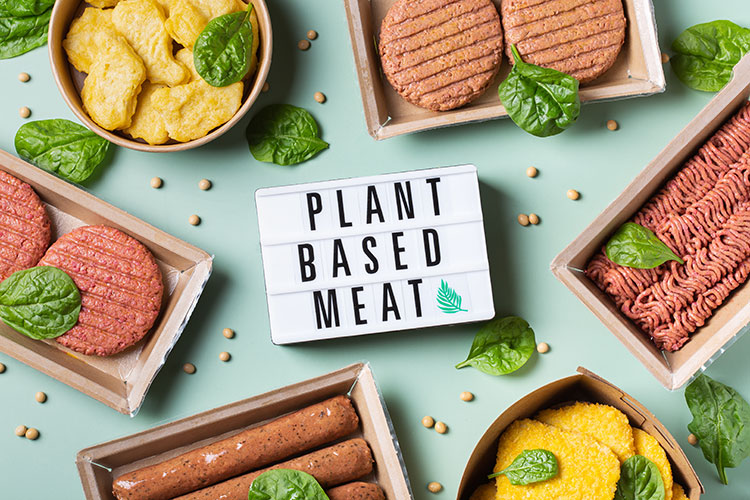
Meat substitutes and dairy alternatives were Natural Products Expo West hottest areas this year. Many companies showcased their newest plant-based meat formulations which came in a variety of formats using alternative plant-based proteins. Though plant-based milks continue to penetrate the market, dairy-free cheeses littered the floor with innovative formats, styles and flavors. Amongst some products, citrus fiber appeared on ingredient labels due to its high water binding and natural emulsification benefits.
It happened! The 2022 Natural Product Expo West show resumed its regular in-person exhibition. For those who are not familiar with this trade show, it is the mecca of all trade shows when it comes to natural food products. For the seasoned attendees, one knows this massive show merits at least two days, a pre-planned floor strategy and a pair of cozy shoes to wear. If you are lucky enough, you may eye-spy tinsel town investors and actors trolling the floor next to you. However, this year, it is no surprise that plant-based foods stood in the limelight. Two categories popped out amongst the mass which included meat substitutes and dairy alternatives. New plant-based meat formulations and dairy-free products littered the aisles. Below outlines a few of the top trends spotted at the show.
Meat Substitute Product Formats
This category started life in a burger patty format years prior. However, today, meat substitute products come in all forms including chorizo, hot dogs, shredded barbacoa, ground beef or pork, sausage links and pate. These meat-free foods also take form of traditional cold cuts such as prosciutto, carpaccio, salami and pastrami. Several companies even turned their booths into benevolent butcher shops showcasing all types of plant-based meat formulations. Despite the variety, plant-based bacon offerings were limited at the show.
Faux Chicken, Egg Substitutes and Seafood Analogues
The plant-based chicken category was a main focus. Many companies sampled their cutlets, nuggets, ground and patties including Quorn. Both retail and food service folks swarmed the booths in search of new product offerings. Another category that popped up was plant-based eggs. Some companies took the route of scrambled tofu to demonstrate its versatility. Other companies explored other avenues using ingredients like mung bean starch or pepita seeds (Spero).
However, the most exciting and fastest growing category was plant-based seafood. Several companies on the floor showcased their seafood alternatives. For instance, some presented salmon sliders, crab cakes, fish sticks and even tuna in a can. (Atlantic Natural Foods | Good Catch Foods | Sophie's Kitchen) The texture and flavor simulated its fish-based counterparts which required skill and art when working with plant-based meat formulations.
Plant-based Meat Formulation Ingredients
The plant-based toolbox expanded over the years. Many companies veered toward clean label ingredient decks. For instance, meat substitute bases incorporated soy, pea, garbanzo, black beans, lentils, navy bean, fava beans, adzuki bean, hemp, tempeh or cauliflower. Ingredient labels also listed clean label stabilizers and natural emulsifiers to protect these products during food processing, transportation, freeze/thaw and storage conditions. For instance, some companies presented a whole line of frozen meals incorporating meat alternative products such as lasagnas and pot pies. (Komo Foods | Tattooed Chef)
Dairy Alternative Innovations
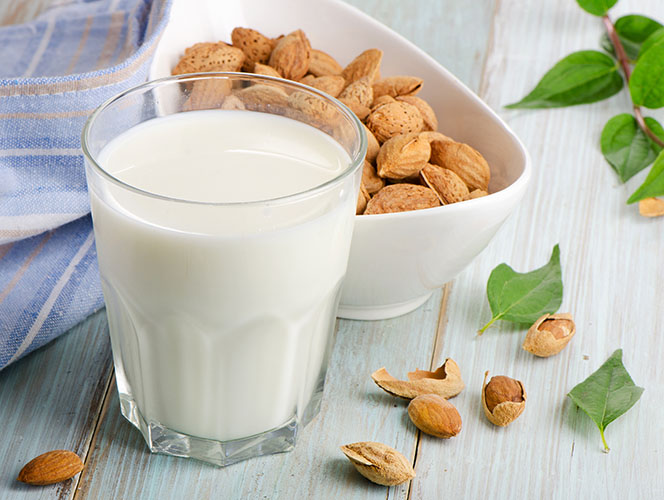
Though plant-based milks continue to penetrate the market, companies moved beyond the traditional soy and rice bases. For example, plant milks now use oat, cashew, hemp, walnut, macadamia, and sesame seeds. (Hope & Sesame | Milkadamia) Furthermore, companies pitched their products as milk nogs, barista milks and creamers.
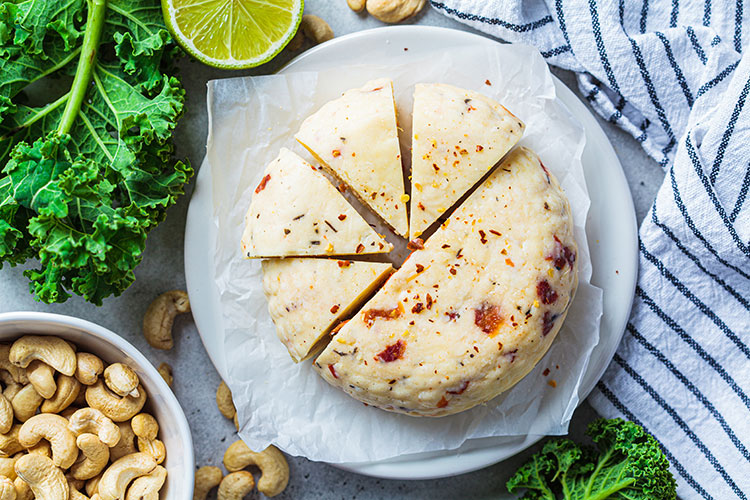
However, the hottest and new area within dairy-free is plant-based cheeses. The most popular cheese analogue formulations used starch and fats or oils. These typically are cheaper to produce compared to cultured nut milks. The cultured market leader, Miyoko’s, showcased their liquid cheese alternative on pizza crust. It melted just like its animal-based version and tasted cheesy. Other formats at the show included shredded, cubed, sliced, crumbled and blocks. Companies even ventured into more artisan cheese types such as smoked gouda, feta, parmesan, pimento, hot pepper, sharp cheddar and French styles. (Good Planet Foods | Nuts for Cheese)
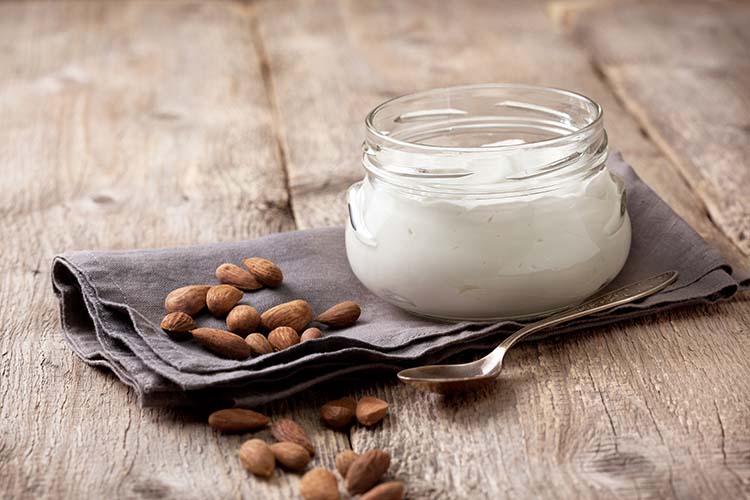
Other dairy alternatives categories at the show included cheese spreads, yogurts and frozen desserts. They too used similar plant milk bases but differentiated themselves by flavors, styles and formats. And like plant-based meat formulations, these dairy alternative products used plant-based stabilizers and natural emulsifiers to create high quality food products that withstand processing, transport and storage.
Citrus Fiber - The "Go To" for Plant-based Foods
Citrus fiber was spotted on several plant-based meat and dairy alternative labels at this year’s show. Because Citri-Fi® citrus fiber helps bind oil and water to stabilize plant-based foods, its high functionality and clean labeling make this a popular go-to ingredient. If you have questions on how to use Citri-Fi in your next plant-based meat formulation or dairy alternative product, please contact us.
Other Natural Products Expo Show Recaps:
Trends to watch at Natural Products Expo West | Food Business News
Expo West 2022 NEXTY Awards Winners | Prepared Foods